Accessibility Gaming Blog: Written Content on Inclusive Gaming
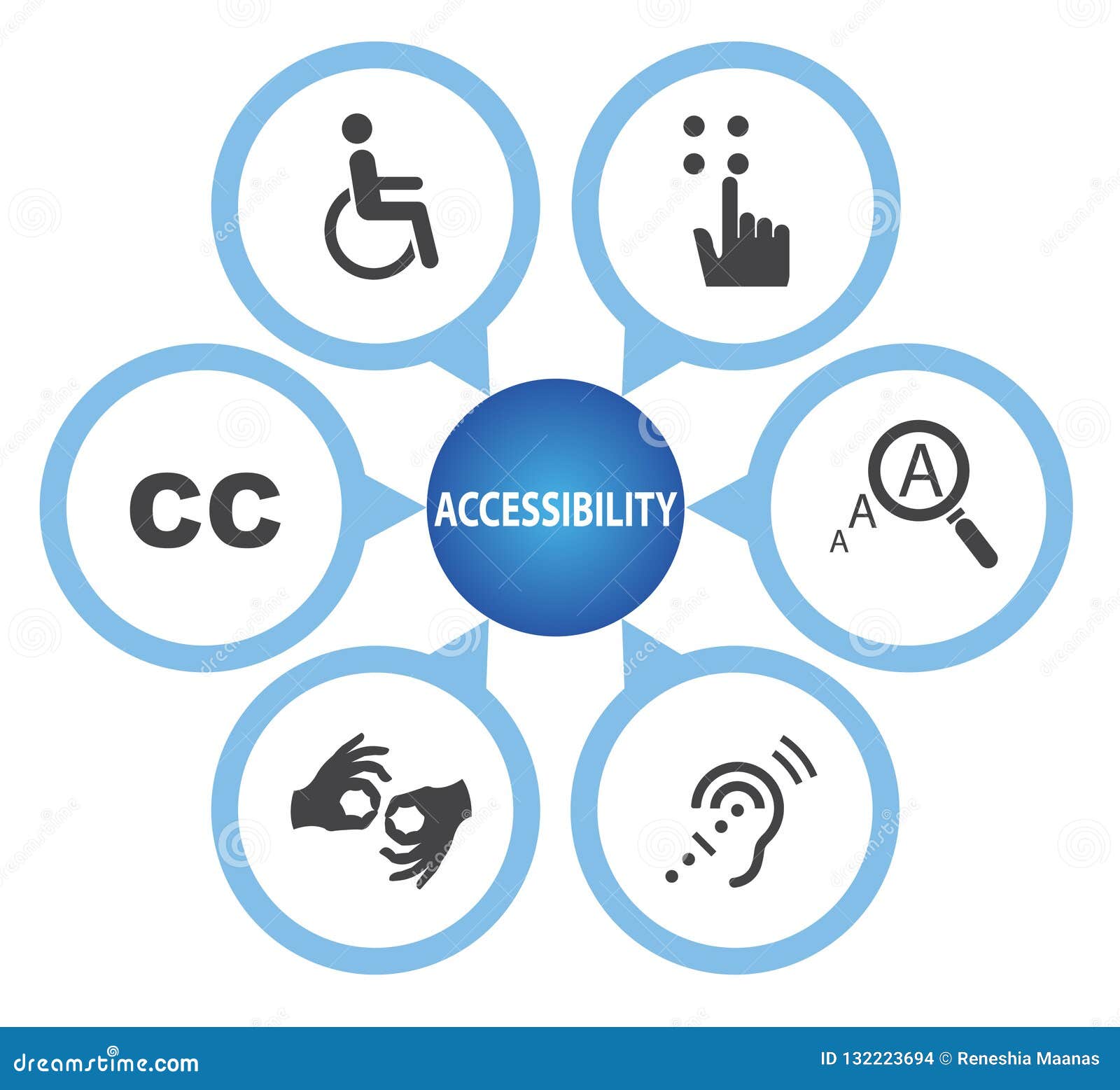
Ever felt excluded from the vibrant world of video games? You're not alone. For many, the joy of gaming is hampered by accessibility barriers that prevent them from fully participating. But what if there was a place dedicated to breaking down those walls, making gaming truly inclusive for everyone?
Navigating the gaming landscape can be a challenge when accessibility needs aren't met. Finding reliable information, understanding complex settings, and discovering games that cater to specific requirements can feel like an uphill battle. Gamers with disabilities often face limited options and a lack of awareness from developers and the wider gaming community.
That's where this blog comes in! We aim to be your go-to resource for all things accessibility in gaming. We'll explore game reviews, accessibility feature breakdowns, interviews with developers, and community stories, all with the goal of making gaming more inclusive and enjoyable for everyone. Our focus will be on written content that is informative, engaging, and empowers gamers with disabilities.
In this blog, we will dive into the heart of inclusive gaming, focusing on written content that illuminates accessibility features, shares personal experiences, highlights innovative solutions, and amplifies the voices of gamers with disabilities. We hope to foster a community where knowledge is shared, experiences are celebrated, and the future of gaming is shaped by inclusivity. We'll also be covering topics like adaptive controllers, screen readers, subtitles, remapping controls, and much more. The goal is simple: to make the world of gaming open to everyone, regardless of ability.
Personal Experiences in Accessible Gaming
The heart of our mission lies in sharing personal experiences. These stories are the real drivers of change, showing us what works, what doesn't, and where we need to focus our efforts. I still remember the frustration I felt trying to play a fast-paced action game with limited control options. The inability to remap buttons or adjust sensitivity made the game virtually unplayable. This experience fueled my passion for advocating for better accessibility options in games. It made me realize that so many other gamers are facing similar challenges, and that’s why this blog matters.
Accessibility isn't just about adding features; it's about fundamentally changing the way we think about game design. By centering the experiences of disabled gamers, we can create games that are more inclusive, engaging, and enjoyable for everyone. This means listening to feedback, working with accessibility consultants, and prioritizing inclusive design principles from the outset. Furthermore, this blog will highlight the developers who are getting it right, showcasing games that are leading the way in accessibility and inspiring others to follow suit. We hope to create a ripple effect, encouraging more and more developers to prioritize inclusivity in their work.
Ultimately, our goal is to create a space where every gamer feels seen, heard, and valued. By sharing our stories, we can break down barriers, challenge assumptions, and build a more inclusive gaming community. After all, gaming is for everyone, and we’re committed to making that a reality.
What is Accessibility Gaming Blog: Written Content?
Accessibility Gaming Blog: Written Content is a platform dedicated to exploring and promoting inclusivity within the gaming industry. Our focus is on creating detailed, informative, and engaging written articles, reviews, features, and resources that cater to gamers with disabilities and anyone interested in learning more about accessibility in video games. We aim to bridge the gap between game developers and the disabled gaming community by providing comprehensive insights into accessibility options, discussing challenges faced by disabled gamers, and celebrating successes in inclusive game design.
This blog goes beyond simply listing accessibility features. We delve into the practical implications of these features, offering real-world examples of how they impact gameplay. We analyze the effectiveness of different accessibility implementations, providing constructive feedback to developers and empowering gamers to make informed decisions about which games to play. Our content covers a wide range of disabilities, including visual, auditory, motor, and cognitive impairments, ensuring that our blog is relevant and valuable to a diverse audience. We also feature interviews with accessibility consultants, developers, and disabled gamers, providing a multifaceted perspective on the challenges and opportunities in this rapidly evolving field.
Furthermore, Accessibility Gaming Blog: Written Content aims to foster a sense of community among disabled gamers and their allies. We encourage readers to share their own experiences, offer support and advice, and participate in discussions about accessibility best practices. By creating a welcoming and inclusive space, we hope to empower disabled gamers to advocate for their needs and contribute to a more accessible and equitable gaming industry.
History and Myths of Accessibility Gaming
The history of accessibility in gaming is a relatively recent one, with significant progress only being made in the last decade. Early video games often lacked even basic accessibility features, leaving many disabled gamers unable to participate. However, thanks to the tireless efforts of advocacy groups, accessibility consultants, and forward-thinking developers, the landscape is gradually changing. Myth: Accessibility is too expensive and time-consuming to implement. This is simply untrue. While adding accessibility features may require some initial investment, it can also open up new markets and enhance the overall quality of the game.
Another myth is that accessibility features are only for disabled gamers. In reality, many accessibility features benefit all players. Subtitles, for example, can be helpful for gamers who are playing in noisy environments or who are learning a new language. Customizable controls can allow gamers to tailor the game to their individual preferences and play styles. Furthermore, the rise of indie developers has played a crucial role in advancing accessibility in gaming. These smaller studios often have more flexibility to experiment with innovative accessibility solutions and are more likely to prioritize inclusivity in their design process. As a result, indie games are often at the forefront of accessibility innovation.
The history of accessibility in gaming is a story of progress and perseverance. While there is still much work to be done, the industry is slowly but surely moving towards a more inclusive future. By continuing to advocate for accessibility and celebrate successes, we can ensure that gaming is truly for everyone.
Hidden Secrets of Accessibility Gaming
One of the hidden secrets of accessibility gaming is the power of community. Connecting with other disabled gamers can provide invaluable support, advice, and encouragement. Online forums, social media groups, and dedicated gaming communities offer spaces for disabled gamers to share their experiences, ask questions, and find solutions to accessibility challenges. Another hidden secret is the availability of free and low-cost accessibility resources. Many organizations offer free software, hardware, and training materials to help disabled gamers overcome accessibility barriers. These resources can be incredibly helpful for gamers who are on a tight budget or who are just starting out on their accessibility journey.
Beyond the community and available resources, there's a wealth of knowledge waiting to be unlocked when we really start exploring game settings. Many games have hidden accessibility features that are not immediately obvious. Take the time to experiment with different settings and see what works best for you. And don't be afraid to ask for help from other gamers or accessibility experts. Another fascinating aspect is the evolving role of AI in accessibility. AI-powered tools are being developed to automatically generate subtitles, provide real-time audio descriptions, and even adapt gameplay to individual needs. These technologies hold the potential to revolutionize accessibility in gaming, making it easier and more affordable to create inclusive experiences.
Ultimately, the hidden secrets of accessibility gaming are about empowering yourself with knowledge, connecting with others, and exploring the vast possibilities for customization and adaptation. By unlocking these secrets, you can transform your gaming experience and discover a world of inclusive gaming opportunities.
Recommendations for Accessibility Gaming
When it comes to accessible gaming, choosing the right games and peripherals can make all the difference. For gamers with visual impairments, games with strong audio cues and clear contrast options are essential. Games like "The Last of Us Part II" and "Marvel's Spider-Man: Miles Morales" offer excellent examples of how audio descriptions and customizable visuals can enhance the gaming experience for visually impaired players. For gamers with motor impairments, adaptive controllers like the Xbox Adaptive Controller can provide a more comfortable and intuitive way to play.
In addition to specific games and peripherals, it's also important to consider the overall accessibility of the gaming platform. Consoles like the Xbox Series X/S and Play Station 5 offer a wide range of accessibility settings, including customizable controls, text-to-speech functionality, and screen magnification. Furthermore, it's worth checking out online resources like the Accessible Games Database, which provides detailed information about the accessibility features of various games. This database can be a valuable tool for finding games that meet your specific accessibility needs. Also, look for developers who are actively engaging with the disabled gaming community and incorporating accessibility feedback into their games.
By carefully considering your individual needs and preferences, you can create a gaming setup that is both comfortable and enjoyable. Don't be afraid to experiment with different options and seek out advice from other gamers with disabilities. With the right tools and resources, you can overcome accessibility barriers and unlock a world of gaming possibilities.
Accessibility Features to Look For
When evaluating a game for its accessibility, there are several key features to look for. Customizable controls are essential for gamers with motor impairments, allowing them to remap buttons and adjust sensitivity settings to suit their individual needs. Subtitles are crucial for gamers who are deaf or hard of hearing, ensuring that they can follow the dialogue and understand the story. Audio descriptions provide narration for visually impaired gamers, describing what is happening on screen and enhancing their understanding of the game world.
Beyond these basic features, there are also a number of more advanced accessibility options to consider. Adjustable difficulty settings can make games more accessible to players of all skill levels, allowing them to tailor the challenge to their individual abilities. Colorblind modes can improve visibility for gamers with color vision deficiencies, ensuring that they can distinguish between different colors and elements in the game. Text-to-speech functionality can convert on-screen text into spoken audio, making it easier for visually impaired gamers to navigate menus and read in-game text. Look for games that offer a wide range of accessibility options and that allow you to customize the settings to your individual needs. The more flexibility a game offers, the more accessible it will be to a wider range of players.
Ultimately, the best way to determine whether a game is accessible to you is to try it out for yourself. Many games offer demos or trial periods, allowing you to test out the accessibility features before committing to a purchase. Don't be afraid to reach out to other gamers with disabilities and ask for their recommendations. They can provide valuable insights and help you find games that are a good fit for your individual needs.
Tips for Maximizing Accessibility
Maximizing accessibility in gaming requires a proactive approach. Start by exploring the accessibility settings of your gaming platform and your games. Experiment with different options and find the settings that work best for you. Don't be afraid to customize your controls, adjust the audio settings, and enable any visual aids that are available. Also, consider using assistive technology devices, such as adaptive controllers, eye-tracking software, or speech recognition programs.
Another important tip is to stay informed about the latest accessibility developments in gaming. Follow accessibility blogs, join online communities, and attend gaming conferences to learn about new features, technologies, and best practices. By staying up-to-date, you can ensure that you are taking full advantage of the available accessibility options. Furthermore, don't be afraid to advocate for accessibility in gaming. Contact game developers, share your feedback, and participate in online discussions to raise awareness about the importance of inclusivity. Your voice can make a difference in shaping the future of accessibility in gaming.
Finally, remember that accessibility is a journey, not a destination. There will always be new challenges to overcome and new opportunities to explore. Be patient with yourself, celebrate your successes, and never give up on your quest for a more accessible gaming experience. The more you learn and the more you experiment, the more you will discover the many ways to make gaming more inclusive and enjoyable for everyone.
Understanding Game Settings
Deeply understanding game settings is crucial for maximizing accessibility. Take the time to explore every menu and sub-menu, paying attention to options related to visuals, audio, controls, and gameplay. Don't be afraid to experiment with different settings and see what works best for you. For example, if you have a visual impairment, try adjusting the brightness, contrast, and colorblind settings to improve visibility. If you have a motor impairment, try remapping the controls to make them more comfortable and intuitive to use.
Many games also offer advanced settings that can further enhance accessibility. Look for options to adjust the size and font of text, enable subtitles, and customize the user interface. Some games even allow you to create custom control schemes, which can be particularly helpful for gamers with complex accessibility needs. In addition to exploring the in-game settings, it's also worth checking the accessibility settings of your gaming platform. Consoles like the Xbox Series X/S and Play Station 5 offer a wide range of system-level accessibility options that can be applied to all games. Also, consider researching online resources and forums to learn about specific accessibility settings that other gamers have found helpful. There are many online communities dedicated to accessibility in gaming, and these communities can be a valuable source of information and support.
Ultimately, the key to understanding game settings is to be curious, persistent, and willing to experiment. The more you explore and the more you learn, the better equipped you will be to create a gaming experience that is both accessible and enjoyable.
Fun Facts About Accessibility Gaming
Did you know that some of the earliest video games, like "Pong," were designed with accessibility in mind? The simple controls and clear visuals made them accessible to a wide range of players, including those with disabilities. Another fun fact is that the first video game accessibility conference was held in 2015. This conference brought together developers, researchers, and gamers to discuss the latest advancements in accessibility technology and design. Furthermore, many popular video game characters have disabilities. For example, the character of Ellie in "The Last of Us Part II" is deaf, and the character of Kazuhira Miller in "Metal Gear Solid V: The Phantom Pain" has a prosthetic arm.
Beyond these historical and character-related facts, the evolution of adaptive gaming equipment is fascinating. From simple button modifications to sophisticated eye-tracking devices, the technology has advanced dramatically, empowering gamers with even the most severe disabilities to participate. It's also interesting to note that some of the most creative accessibility solutions have come from the gaming community itself. Gamers with disabilities have often found innovative ways to adapt games and peripherals to their individual needs, and these solutions have inspired developers to create more accessible games.
Ultimately, the fun facts about accessibility gaming highlight the creativity, innovation, and dedication of the gaming community. From the early days of simple games to the modern era of sophisticated technology, accessibility has always been an important part of the gaming experience. By celebrating these fun facts and sharing them with others, we can raise awareness about the importance of inclusivity in gaming and inspire others to join the movement.
How to Get Involved in Accessibility Gaming
Getting involved in accessibility gaming is easier than you might think. Start by educating yourself about the different types of disabilities and the challenges that disabled gamers face. Read articles, watch videos, and listen to podcasts about accessibility in gaming. Follow accessibility advocates and organizations on social media. The more you learn, the better equipped you will be to support the cause. Another great way to get involved is to volunteer your time to accessibility organizations. Many organizations are looking for volunteers to help with tasks such as testing games, writing articles, and providing support to disabled gamers.
You can also get involved by becoming an accessibility advocate yourself. Share your knowledge and experiences with others. Talk to your friends, family, and colleagues about the importance of accessibility in gaming. Contact game developers and share your feedback on their games. Participate in online discussions and forums. By raising awareness and advocating for change, you can make a real difference in the lives of disabled gamers. Furthermore, consider donating to accessibility organizations or supporting developers who are committed to creating inclusive games.
Ultimately, the best way to get involved in accessibility gaming is to find a way that aligns with your passions and skills. Whether you are a gamer, a developer, a writer, or a simply someone who cares about inclusivity, there is a role for you to play in creating a more accessible and equitable gaming industry.
What if Accessibility Gaming
What if accessibility gaming was the norm, not the exception? Imagine a world where all games were designed with inclusivity in mind, where disabled gamers could play any game they wanted without facing accessibility barriers. In this world, developers would prioritize accessibility from the outset, consulting with disabled gamers and accessibility experts throughout the development process. Games would offer a wide range of customizable settings, allowing players to tailor the experience to their individual needs. Assistive technology devices would be seamlessly integrated into gaming platforms, making it easier for disabled gamers to connect and play.
Beyond the practical benefits, a world of universal accessibility would also have a profound impact on the gaming community. Disabled gamers would be fully integrated into the gaming culture, participating in tournaments, streaming online, and contributing their unique perspectives to the gaming discourse. The gaming community would be more diverse, inclusive, and welcoming, celebrating the contributions of all players. Furthermore, accessibility innovations would inspire new and creative game designs, pushing the boundaries of what is possible in gaming. Games would become more engaging, immersive, and enjoyable for everyone, regardless of their abilities.
While this vision may seem utopian, it is not unattainable. By continuing to advocate for accessibility, educate developers, and support disabled gamers, we can gradually create a world where accessibility gaming is the norm. The future of gaming is inclusive, and it is up to us to make that future a reality.
Listicle of Accessibility Gaming
Here are some listicle of Accessibility Gaming:
Top 5 Most Accessible Games of 2023:
- The Last of Us Part II
- Marvel's Spider-Man: Miles Morales
- Forza Horizon 5
- Gears 5
- Assassin's Creed Valhalla
7 Essential Accessibility Features in Video Games:
- Customizable Controls
- Subtitles
- Audio Descriptions
- Adjustable Difficulty Settings
- Colorblind Modes
- Text-to-Speech Functionality
- Adjustable UI
3 Organizations Supporting Accessibility in Gaming:
- Able Gamers
- Special Effect
- The IGDA Game Accessibility SIG
5 Tips for Finding Accessible Games:
- Check the game's accessibility settings
- Read reviews from disabled gamers
- Visit the Accessible Games Database
- Contact the developer
- Try a demo or trial period
By exploring these lists and resources, you can gain a better understanding of accessibility in gaming and find ways to support the cause.
Question and Answer
Q1: What is accessibility in gaming?
A1: Accessibility in gaming refers to the features and design choices that make video games playable and enjoyable for people with disabilities. This includes things like customizable controls, subtitles, audio descriptions, adjustable difficulty settings, and colorblind modes.
Q2: Why is accessibility important in gaming?
A2: Accessibility is important because it allows more people to participate in and enjoy video games. Games can provide entertainment, social connection, and cognitive stimulation, and everyone should have the opportunity to experience these benefits.
Q3: How can I find accessible games?
A3: You can find accessible games by checking the game's accessibility settings, reading reviews from disabled gamers, visiting the Accessible Games Database, contacting the developer, or trying a demo or trial period.
Q4: How can I support accessibility in gaming?
A4: You can support accessibility in gaming by educating yourself about the issue, advocating for change, contacting game developers, donating to accessibility organizations, and supporting developers who are committed to creating inclusive games.
Conclusion of Accessibility Gaming Blog: Written Content
This blog post has explored the multifaceted world of accessibility gaming, emphasizing the importance of written content in promoting inclusivity. We've delved into personal experiences, defined accessibility in gaming, examined its history and potential, shared recommendations and tips, and provided resources for getting involved. We hope this post has inspired you to learn more about accessibility and to join the movement towards a more inclusive gaming industry. By working together, we can ensure that everyone has the opportunity to experience the joy of gaming.
Post a Comment