Cutscene Accessibility: Story Content Accessibility in Gaming
Imagine a world brimming with epic narratives, where every gamer can fully immerse themselves in the unfolding story, regardless of their individual abilities. This isn't some futuristic fantasy; it's the potential of accessible game design, specifically when it comes to cutscenes.
For many gamers, cutscenes are more than just interludes; they're integral parts of the narrative tapestry, revealing crucial plot points, developing characters, and building emotional investment. But what happens when these vital moments are inaccessible? When visual impairments make it impossible to follow the action, or auditory processing challenges prevent understanding of dialogue? The result can be a frustrating experience, hindering enjoyment and isolating players from a core element of the game.
The goal of cutscene accessibility is to ensure that all players, regardless of their abilities, can fully understand and appreciate the story content presented in a game's cutscenes. It's about creating a more inclusive gaming environment where everyone has equal access to the narrative experience.
This article explores the importance of cutscene accessibility in gaming. We'll delve into practical methods for making these crucial story segments more inclusive, discuss the benefits for both players and developers, and unravel the myths surrounding accessibility. We will explore topics such as audio descriptions, customizable subtitles, alternative text formats, and even the history of cutscene accessibility, proving that accessible design enriches, rather than restricts, the gaming experience for everyone. Ultimately, embracing cutscene accessibility benefits the entire gaming community, fostering a more inclusive and welcoming space for all.
Personal Experience with Cutscene Accessibility
I remember playing a highly anticipated RPG a few years ago. The world was immersive, the gameplay was engaging, and I was completely hooked. Then came the cutscenes. These weren't just brief dialogues; they were elaborate, cinematic sequences crucial to understanding the plot. Unfortunately, the game lacked proper subtitles. The font was small, the contrast was poor, and they flashed by so quickly I often missed vital information. As someone with a mild auditory processing issue, this made it incredibly difficult to follow the story. I constantly felt like I was missing pieces of the puzzle, forced to rely on external resources like online summaries and forums to understand what was going on. It was a frustrating experience that diminished my enjoyment of the game significantly. This personal experience highlighted the critical need for well-designed and customizable subtitles in cutscenes. It wasn't just a matter of convenience; it was a matter of access. Without proper subtitles, I was effectively locked out of a significant portion of the game's narrative. Cutscene accessibility isn't just about catering to specific disabilities; it's about creating a more inclusive and enjoyable experience for everyone. It's about ensuring that all players can fully appreciate the story and characters that developers have poured their hearts into creating. Proper subtitles, audio descriptions, and other accessibility features can make a world of difference, transforming a frustrating experience into an immersive and rewarding one.
What is Cutscene Accessibility?
Cutscene accessibility refers to the design and implementation of features that allow players of all abilities to fully understand and engage with the narrative content presented in cutscenes. This encompasses a wide range of considerations, including visual, auditory, cognitive, and motor accessibility. Essentially, it’s about ensuring that no player is excluded from experiencing the story due to a disability. This can involve providing alternative formats for information, such as audio descriptions for visually impaired players, customizable subtitles for those who are deaf or hard of hearing, and alternative input methods for players with motor impairments. But it goes beyond simply providing these features; it also involves designing them in a way that is intuitive and user-friendly. The goal is to seamlessly integrate accessibility features into the game experience without detracting from the immersion or enjoyment. Cutscene accessibility also touches on the design of the cutscenes themselves. For instance, avoiding rapid cuts, flashing lights, or overly complex visual effects can make the cutscenes more accessible to players with visual sensitivities or cognitive impairments. Similarly, clear and concise dialogue, coupled with well-paced delivery, can improve comprehension for players with auditory processing challenges. Cutscene accessibility is not a one-size-fits-all solution. It requires a thoughtful and nuanced approach, tailored to the specific needs of the player base and the design of the game.
History and Myth of Cutscene Accessibility
The history of cutscene accessibility is relatively short, mirroring the evolution of accessibility in gaming as a whole. Early video games often lacked any consideration for accessibility, with cutscenes being purely visual or auditory experiences. As gaming technology advanced and awareness of disability issues grew, developers began to incorporate basic accessibility features, such as subtitles. However, these early implementations were often limited in scope and functionality. A common myth surrounding cutscene accessibility is that it's a niche concern that only benefits a small percentage of players. This is simply not true. While it's true that accessibility features are essential for players with disabilities, they can also benefit a wider range of players. Customizable subtitles, for example, can be helpful for players who are learning a new language, playing in noisy environments, or simply prefer to read along with the dialogue. Similarly, audio descriptions can enhance the experience for all players, providing a richer and more detailed understanding of the visual elements of the scene. Another myth is that accessibility is expensive and time-consuming to implement. While it's true that adding accessibility features can require additional development effort, the cost is often far less than perceived. By incorporating accessibility considerations early in the design process, developers can minimize the impact on the budget and timeline. Furthermore, many accessibility features can be implemented using existing tools and technologies. Cutscene accessibility should not be viewed as an optional add-on, but rather as an integral part of the design process. By embracing accessibility from the outset, developers can create games that are more inclusive, enjoyable, and ultimately, more successful.
Hidden Secrets of Cutscene Accessibility
One of the lesser-known secrets of cutscene accessibility is its potential to enhance the narrative impact of a game. When cutscenes are designed with accessibility in mind, developers are forced to think more critically about how they convey information. This can lead to more creative and engaging storytelling techniques. For example, instead of relying solely on visual cues, developers may need to incorporate more descriptive dialogue or audio cues to ensure that visually impaired players can follow the action. This can result in a richer and more immersive experience for all players, regardless of their abilities. Another secret is the power of player choice. By providing players with a wide range of accessibility options, developers can empower them to customize the game experience to their individual needs and preferences. This can include options for subtitle size, color, and background opacity, as well as options for audio description volume and speed. The more control players have over their experience, the more likely they are to feel engaged and invested in the game. Cutscene accessibility is also a powerful tool for fostering empathy and understanding. By creating games that are accessible to players with disabilities, developers can help to challenge negative stereotypes and promote a more inclusive and accepting society. Games have the power to connect people from all walks of life, and accessibility is key to unlocking that potential. The hidden secret is that accessibility is not just about making games more inclusive; it's about making them better.
Recommendation of Cutscene Accessibility
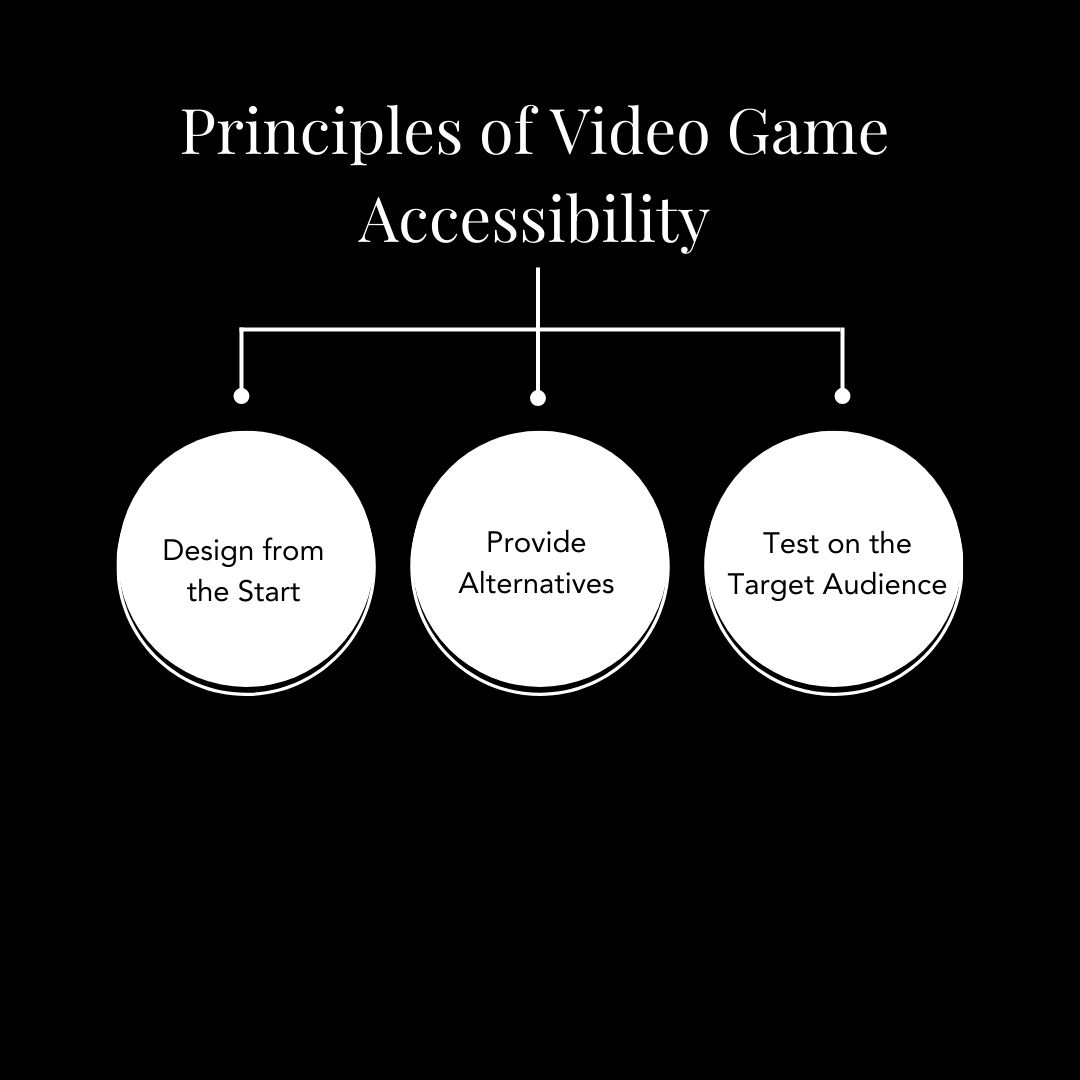
My strongest recommendation for developers is to prioritize accessibility from the very beginning of the game development process. Don't treat it as an afterthought or an optional add-on. Instead, integrate accessibility considerations into every aspect of the design, from the initial concept to the final testing phase. This will not only result in a more accessible game, but it will also lead to a more cohesive and well-designed experience overall. Another recommendation is to involve players with disabilities in the development process. Their feedback and insights are invaluable for identifying potential accessibility barriers and ensuring that the game is truly inclusive. Conduct user testing with a diverse group of players, and be open to incorporating their suggestions. Don't be afraid to experiment with different accessibility features and iterate on your designs based on player feedback. Cutscene accessibility is an ongoing process, not a one-time fix. It requires a commitment to continuous improvement and a willingness to learn from your mistakes. Finally, I recommend that developers share their knowledge and best practices with the wider gaming community. By collaborating and sharing resources, we can collectively raise the bar for accessibility in gaming. This can include publishing articles, giving presentations, and participating in online forums and discussions. The more we share our knowledge, the more accessible games will become. Remember, cutscene accessibility is not just a nice-to-have; it's a must-have for creating games that are truly inclusive and enjoyable for all players.
Technical Aspects of Cutscene Accessibility
Implementing cutscene accessibility involves several technical considerations. Customizable subtitles are essential. Allow players to adjust the font size, color, background opacity, and placement of subtitles to suit their visual preferences. Also, ensure that subtitles are synchronized accurately with the dialogue. Consider providing alternative text formats for cutscenes, such as transcripts or closed captions. These can be particularly helpful for players who prefer to read the dialogue at their own pace or who have difficulty processing spoken language. Audio descriptions are another crucial element. These are verbal narrations that describe the visual elements of the scene, allowing visually impaired players to follow the action. Audio descriptions should be detailed and descriptive, but also concise and easy to understand. The timing of audio descriptions is also important. They should be inserted during pauses in the dialogue or at the beginning or end of the scene to avoid overlapping with the spoken words. Provide options for controlling the volume of the dialogue, music, and sound effects independently. This allows players to customize the audio mix to their individual preferences and needs. For example, players with auditory processing challenges may prefer to increase the volume of the dialogue and reduce the volume of the background music. The pacing of cutscenes should be carefully considered. Avoid rapid cuts, flashing lights, or overly complex visual effects, as these can be disorienting or triggering for some players. Instead, opt for a more deliberate and paced approach to storytelling. The technical aspects of cutscene accessibility are constantly evolving. Stay up-to-date on the latest accessibility guidelines and best practices, and be prepared to adapt your designs as new technologies and techniques emerge.
Tips for Cutscene Accessibility
One crucial tip is to plan for accessibility from the start. Integrate accessibility considerations into the design process from the very beginning, rather than trying to retrofit them later. This will save time and resources in the long run and result in a more cohesive and accessible experience. Test early and often. Conduct user testing with a diverse group of players, including those with disabilities, throughout the development process. This will help you identify potential accessibility barriers and ensure that your game is truly inclusive. Provide clear and concise instructions on how to enable and customize accessibility features. Make sure these instructions are easily accessible and available in multiple formats, such as text, audio, and video. Offer a variety of accessibility options to cater to different needs and preferences. Don't assume that one size fits all. The more options you provide, the more players will be able to customize the game experience to their individual needs. Don't be afraid to experiment with different accessibility features. There's no one right way to do things. Try out different approaches and see what works best for your game and your players. Continuously seek feedback from players with disabilities. They are the experts on their own needs and experiences. Be open to their suggestions and be willing to make changes based on their feedback. Remember, accessibility is an ongoing process, not a one-time fix. It requires a commitment to continuous improvement and a willingness to learn from your mistakes. By following these tips, you can create cutscenes that are accessible and enjoyable for all players.
Legal and Ethical Considerations
Accessibility is not only a matter of good design; it's also a matter of legal and ethical responsibility. Many countries have laws and regulations that require digital content, including video games, to be accessible to people with disabilities. These laws are based on the principle that everyone has the right to equal access to information and entertainment, regardless of their abilities. In the United States, the Americans with Disabilities Act (ADA) applies to video games in certain contexts, such as online gaming platforms and arcade games. In Europe, the European Accessibility Act (EAA) sets mandatory accessibility requirements for a wide range of products and services, including video games. These laws and regulations are constantly evolving, so it's important to stay up-to-date on the latest requirements in your jurisdiction. But beyond the legal considerations, there's also an ethical imperative to make games accessible. As game developers, we have a responsibility to create experiences that are inclusive and welcoming to all players. Accessibility is not just about complying with the law; it's about doing the right thing. By making our games accessible, we can help to break down barriers and promote a more inclusive and equitable society. Accessibility is a fundamental human right, and we should all strive to uphold it in our work. Failing to prioritize accessibility can have serious legal and reputational consequences. Companies that are found to be in violation of accessibility laws can face fines, lawsuits, and negative publicity.
Fun Facts of Cutscene Accessibility
Did you know that some accessibility features, like subtitles, were initially developed for a different purpose? Subtitles were originally created to assist viewers in understanding foreign language films, not necessarily for accessibility. It was only later that their value for deaf and hard-of-hearing individuals was recognized. Another fun fact is that some games have secretly included accessibility features for years without explicitly advertising them. For example, some games allow players to remap controls, which can be helpful for players with motor impairments, but this feature may not be marketed as an accessibility option. Audio descriptions are becoming increasingly common in video games, but they've been around for decades in other media, such as television and film. The first audio description service was launched in the United States in 1981. Some game developers have even created custom accessibility controllers and peripherals to cater to players with specific disabilities. These controllers often feature oversized buttons, specialized grips, and other modifications to make gaming more accessible. The gaming industry is slowly but surely becoming more diverse and inclusive. More and more developers are prioritizing accessibility in their games, and more players with disabilities are joining the gaming community. This is a positive trend that will hopefully continue in the years to come. Cutscene accessibility is not just about accommodating players with disabilities; it's about making games better for everyone. When cutscenes are designed with accessibility in mind, they tend to be more engaging, immersive, and enjoyable for all players. Accessibility is a win-win situation for developers and players alike.
How to Achieve Cutscene Accessibility
Achieving cutscene accessibility requires a multi-faceted approach that encompasses design, development, and testing. The first step is to conduct thorough research to understand the needs of players with disabilities. This can involve reviewing existing accessibility guidelines, consulting with accessibility experts, and engaging with players with disabilities directly. Next, integrate accessibility considerations into the design process from the very beginning. This includes thinking about how to present information in multiple formats, how to provide customizable options, and how to avoid potential accessibility barriers. During development, use accessibility tools and techniques to ensure that your code is accessible. This can include using semantic HTML, providing alternative text for images, and ensuring that all interactive elements are keyboard accessible. Once the game is developed, conduct rigorous accessibility testing with a diverse group of players, including those with disabilities. This will help you identify any remaining accessibility issues and ensure that your game is truly inclusive. Provide clear and concise documentation on how to use the accessibility features in your game. This documentation should be available in multiple formats, such as text, audio, and video. Make sure that the accessibility features are easy to find and use within the game. Don't bury them in obscure menus or require players to perform complex actions to enable them. Continuously monitor feedback from players with disabilities and use this feedback to improve the accessibility of your game over time. Accessibility is an ongoing process, not a one-time fix. It requires a commitment to continuous improvement and a willingness to learn from your mistakes. By following these steps, you can achieve cutscene accessibility and create games that are enjoyable for all players.
What If Cutscene Accessibility?
What if every game, without exception, featured comprehensive cutscene accessibility? Imagine a world where no player is excluded from experiencing the story, regardless of their abilities. Games would become more inclusive and welcoming, fostering a sense of belonging for all players. The gaming community would become more diverse, reflecting the rich tapestry of human experience. Game developers would gain a deeper understanding of accessibility and its benefits, leading to more innovative and creative designs. The quality of storytelling in games would improve, as developers are forced to think more critically about how they convey information. Games would become more educational, as players with disabilities learn new skills and strategies for navigating the game world. The impact of games on society would be even greater, as they become a powerful tool for promoting empathy, understanding, and inclusion. More people with disabilities would be able to participate in the joy and excitement of gaming, leading to increased social interaction and a greater sense of well-being. The market for accessible games would grow, creating new opportunities for developers and publishers. The gaming industry would become a leader in accessibility innovation, setting an example for other industries to follow. Cutscene accessibility is not just about accommodating players with disabilities; it's about creating a better world for everyone. By embracing accessibility, we can unlock the full potential of gaming and create experiences that are truly transformative. So, let's work together to make this vision a reality. Let's strive to create a future where every game is accessible to every player, regardless of their abilities.
Listicle of Cutscene Accessibility
Here are five key elements of cutscene accessibility: 1. Customizable Subtitles: Allow players to adjust the font size, color, background opacity, and placement of subtitles to suit their visual preferences. This is essential for players who are deaf or hard of hearing, as well as those who simply prefer to read along with the dialogue.
2. Audio Descriptions: Provide verbal narrations that describe the visual elements of the scene, allowing visually impaired players to follow the action. Audio descriptions should be detailed and descriptive, but also concise and easy to understand.
3. Alternative Text Formats: Offer alternative text formats for cutscenes, such as transcripts or closed captions. These can be particularly helpful for players who prefer to read the dialogue at their own pace or who have difficulty processing spoken language.
4. Customizable Audio Mix: Provide options for controlling the volume of the dialogue, music, and sound effects independently. This allows players to customize the audio mix to their individual preferences and needs.
5. Accessible Cutscene Design: Design cutscenes with accessibility in mind, avoiding rapid cuts, flashing lights, or overly complex visual effects. Opt for a more deliberate and paced approach to storytelling. Five benefits of cutscene accessibility:
1. Increased Inclusivity: Ensures that all players, regardless of their abilities, can fully enjoy the game.
2. Improved Storytelling: Forces developers to think more critically about how they convey information.
3. Enhanced Engagement: Creates a more immersive and enjoyable experience for all players.
4. Broader Audience: Attracts a wider range of players, including those with disabilities.
5. Positive Reputation: Enhances the developer's reputation as an inclusive and socially responsible organization. By incorporating these elements into your game, you can create cutscenes that are accessible and enjoyable for all players.
Question and Answer
Q: Why is cutscene accessibility important?
A: Cutscene accessibility ensures that all players, regardless of their abilities, can understand and enjoy the story content presented in a game. It promotes inclusivity and provides a more equitable gaming experience. Q: What are some common accessibility features for cutscenes?
A: Common features include customizable subtitles, audio descriptions, alternative text formats (like transcripts), and adjustable audio mix settings. Q: How can I test the accessibility of my game's cutscenes?
A: Involve players with disabilities in the testing process. Their feedback will be invaluable in identifying potential barriers and ensuring your accessibility features are effective. Also, use accessibility evaluation tools and guidelines. Q: Is cutscene accessibility expensive to implement?
A: While it may require some initial investment, incorporating accessibility from the beginning of the development process can minimize costs. Many accessibility features can be implemented using existing tools and technologies, and the benefits of a more inclusive game outweigh the costs.
Conclusion of Cutscene Accessibility: Story Content Accessibility in Gaming
Cutscene accessibility is not just a trend; it's a fundamental aspect of inclusive game design. By prioritizing accessibility in cutscenes, developers can create games that are more enjoyable, engaging, and welcoming for all players. It's about breaking down barriers, fostering empathy, and creating a more equitable gaming community. From customizable subtitles and audio descriptions to accessible cutscene design, there are many ways to make cutscenes more inclusive. By embracing these techniques and continuously seeking feedback from players with disabilities, we can create games that are truly transformative. Cutscene accessibility benefits everyone, creating a richer and more immersive experience for all players, regardless of their abilities. It's time for the gaming industry to embrace accessibility as a core value and create a future where every game is accessible to every player.
Post a Comment