Gaming Accessibility News: Latest Updates in Inclusive Gaming
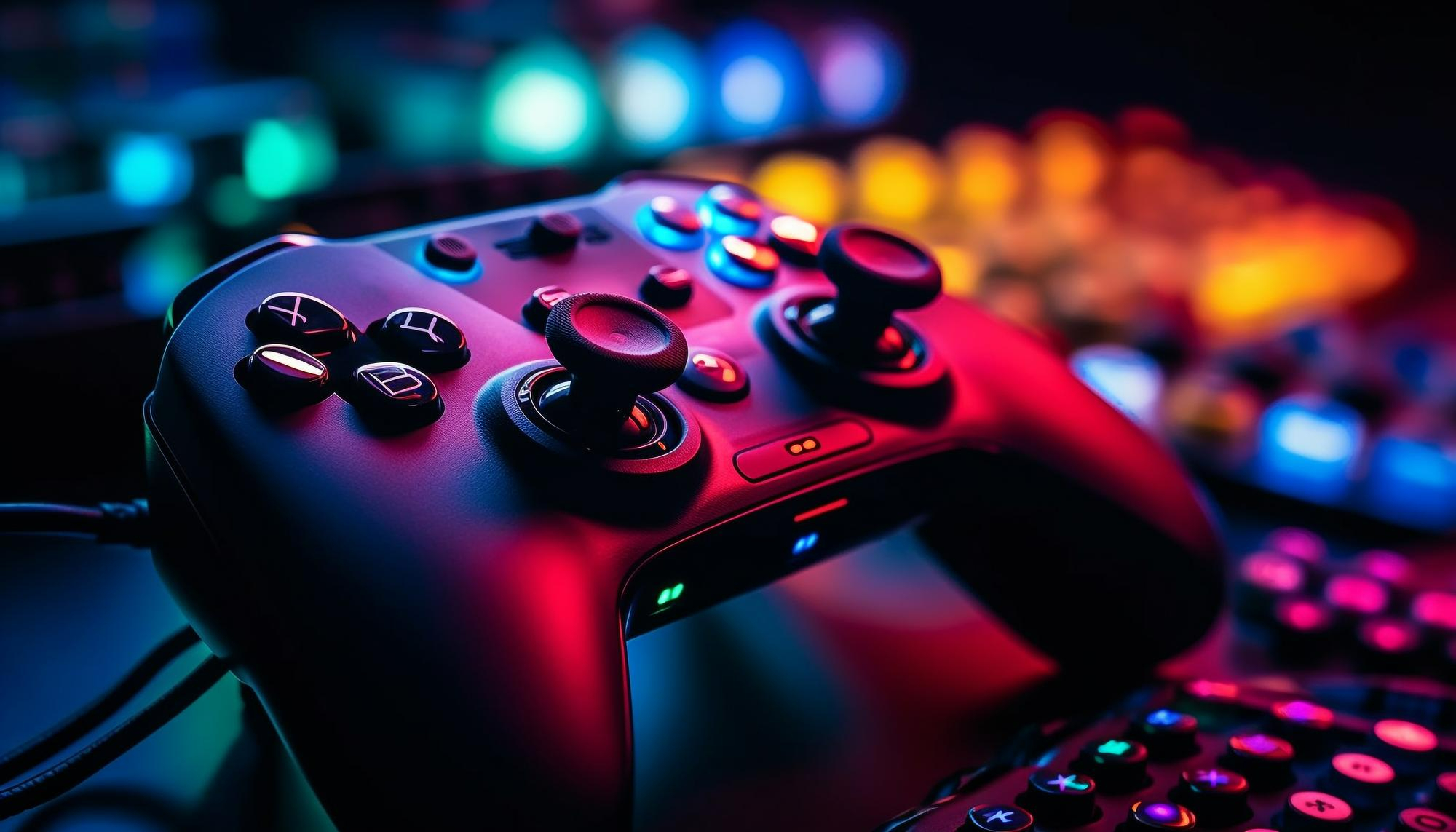
Imagine a world where everyone, regardless of their abilities, can dive into the immersive worlds of video games. Sounds fantastic, right? Well, that future is closer than you might think! Gaming is for everyone, and the industry is finally starting to reflect that sentiment.
For too long, gamers with disabilities have faced unnecessary hurdles in accessing and enjoying the same experiences as their peers. Imagine struggling to complete a challenging level because the button mapping is inflexible, or missing crucial story elements because the subtitles are too small and difficult to read. These barriers can be incredibly frustrating and isolating, turning what should be a fun and engaging pastime into a source of disappointment.
This blog post aims to keep you informed about the latest advancements and initiatives in gaming accessibility. We'll explore new technologies, game updates, and industry trends that are making gaming more inclusive and enjoyable for players of all abilities. This is your one-stop-shop for all things accessibility in the gaming world!
We will be delving into the most recent updates in inclusive gaming, covering topics such as customizable controls, improved subtitle options, assistive technologies, and the overall push for greater representation and understanding of accessibility needs within the gaming community. The focus is on creating a gaming landscape where everyone can participate and thrive. Keep reading to learn more about how the industry is evolving and how you can get involved in advocating for inclusive gaming!
The Rise of Customizable Controls
Customizable controls are revolutionizing how players interact with games, and it's a topic I'm particularly passionate about. I remember when I first started gaming on PC. I had a standard keyboard and mouse setup, but quickly realized that the default key bindings were incredibly uncomfortable for me. My hands would cramp after just a short time, and I couldn't play for long without experiencing pain. It was frustrating because I loved the games themselves, but the physical strain made it difficult to enjoy them. Thankfully, I discovered that many games allowed for custom key mappings. This was a game-changer! Being able to reassign functions to buttons that were more accessible and comfortable for my hands made all the difference. I was able to play for longer periods without pain and my overall gaming experience improved dramatically.
Customizable controls are a cornerstone of accessibility, allowing players to tailor the game's input scheme to their specific needs and preferences. This goes beyond simply remapping buttons; it includes options for adjusting sensitivity, inverting axes, and even creating macros for complex commands. The goal is to empower players to create a control scheme that is both comfortable and efficient, enabling them to fully participate in the game regardless of physical limitations. Modern games are now starting to include more robust customization options, recognizing that a one-size-fits-all approach simply doesn't work. This includes options like full controller remapping, the ability to use multiple input devices simultaneously, and even support for adaptive controllers like the Xbox Adaptive Controller, which allows for a high degree of personalization.
Enhanced Subtitle Options and Visual Aids
Imagine trying to follow a complex narrative in a game where the subtitles are tiny, difficult to read, and blend into the background. Or picture navigating a visually stunning world that is rendered inaccessible due to colorblindness. These are real challenges faced by many gamers, and enhanced subtitle options and visual aids are crucial in addressing these issues.
Enhanced subtitle options and visual aids encompass a range of features designed to make games more accessible to players with visual impairments or hearing difficulties. This includes adjustable text size, customizable colors, background opacity options for subtitles, and clear audio cues to indicate important events. Visual aids can include colorblindness modes, high contrast options, and the ability to adjust the size and color of the game's user interface elements. These features ensure that players can access all the essential information and enjoy the game's visual and auditory aspects regardless of their individual needs. Many games are now incorporating these options as standard features, recognizing that accessibility is not an afterthought but an integral part of the design process. Some developers are even consulting with accessibility experts and players with disabilities to ensure that their games are as inclusive as possible.
The History and Evolution of Accessibility in Gaming
The idea of making games accessible to everyone wasn't always at the forefront of the gaming industry. In the early days, the focus was primarily on pushing technological boundaries and creating innovative gameplay experiences. Accessibility was often an afterthought, if it was considered at all. Early examples of accessibility features were rudimentary, often limited to simple difficulty settings or basic control remapping options. There was a lack of awareness and understanding of the diverse needs of players with disabilities. However, as the gaming community grew and became more diverse, so did the demand for more inclusive gaming experiences.
The history and evolution of accessibility in gaming is a testament to the growing awareness and advocacy for inclusivity within the industry. From the early days of limited options to the modern era of customizable controls and assistive technologies, accessibility has come a long way. The rise of the internet and social media has played a crucial role in amplifying the voices of gamers with disabilities, allowing them to share their experiences, advocate for change, and connect with developers and publishers. The creation of organizations dedicated to gaming accessibility, such as Able Gamers and Special Effect, has also been instrumental in raising awareness and providing resources for developers. These organizations work to educate the industry on best practices for accessibility and provide feedback on game design and implementation. As a result, we're seeing more and more games incorporating accessibility features as standard, and a greater understanding of the importance of inclusive game design.
Unlocking Hidden Secrets: Accessibility Settings You Might Not Know
Beyond the standard settings like subtitles and control remapping, many games are hiding some truly innovative accessibility features that can dramatically improve the gaming experience for players with disabilities. For example, some games offer audio descriptions of on-screen events, providing crucial context for players with visual impairments. Others include options to reduce motion blur or camera shake, which can help prevent motion sickness or dizziness. It's about exploring the settings menu beyond the obvious options.
Unlocking hidden secrets within accessibility settings involves discovering and utilizing lesser-known features that can significantly enhance the gaming experience. These features are often buried deep within the settings menu or require a bit of experimentation to uncover. Some examples include controller vibration settings, which can be adjusted to provide tactile feedback for players with hearing impairments, and customizable HUD elements, which allow players to resize and reposition important information on the screen. Many games also offer options to disable or reduce the intensity of flashing lights or visual effects, which can be helpful for players with photosensitive epilepsy. The key is to be curious and explore all the available options, as you never know what hidden gems you might find. Gaming forums and online communities are also great resources for discovering these hidden features and sharing tips with other players.
Recommendations: Games Leading the Way in Accessibility
Several games have emerged as shining examples of accessibility, demonstrating a commitment to inclusivity and setting a new standard for the industry. "The Last of Us Part II" is widely praised for its comprehensive suite of accessibility options, including customizable controls, text-to-speech functionality, and a variety of visual and auditory aids. "Forza Horizon 5" also stands out for its accessibility features, such as customizable difficulty settings, adjustable speed controls, and the ability to use the Xbox Adaptive Controller. These games prove that accessibility doesn't have to come at the expense of gameplay or visual appeal.
Recommendations for games leading the way in accessibility serve as a valuable resource for gamers with disabilities seeking inclusive and enjoyable experiences. These games showcase the best practices in accessibility design and provide a benchmark for other developers to follow. When recommending games, it's important to consider a wide range of disabilities and accessibility needs, including visual impairments, hearing difficulties, motor impairments, and cognitive differences. Games like "Gears 5" and "Assassin's Creed Valhalla" have also been praised for their accessibility options, including customizable controls, subtitle adjustments, and colorblindness modes. By highlighting these games, we can encourage more developers to prioritize accessibility in their future projects and create a more inclusive gaming landscape for everyone. Online reviews and accessibility-focused websites are also great resources for finding recommendations and learning about the specific accessibility features offered in different games.
The Role of Assistive Technologies in Gaming
Assistive technologies play a crucial role in bridging the gap between gamers with disabilities and the games they want to play. These technologies can range from specialized controllers and adaptive equipment to software that enhances accessibility through voice control or eye-tracking. The Xbox Adaptive Controller, for example, is a game-changer for many players with limited mobility, allowing them to customize their input devices and play games in a way that was previously impossible.
The role of assistive technologies in gaming cannot be overstated, as they empower players with disabilities to overcome barriers and participate fully in the gaming experience. These technologies encompass a wide range of devices and software solutions designed to address specific accessibility needs. Adaptive controllers, such as the Xbox Adaptive Controller, allow players to customize their input devices with buttons, switches, and joysticks that are tailored to their individual abilities. Voice control software enables players to control games using their voice, while eye-tracking technology allows players to interact with games using their eyes. Other assistive technologies include specialized mice, keyboards, and headsets designed to reduce strain and improve comfort. By utilizing these technologies, gamers with disabilities can access and enjoy games in a way that is both comfortable and efficient, enabling them to fully immerse themselves in the gaming world. The development and advancement of assistive technologies is an ongoing process, driven by the needs and innovations of the gaming community.
Tips for Finding Accessible Games
Finding accessible games can sometimes feel like a daunting task, but there are several strategies you can use to make the process easier. Start by checking online resources like the Accessible Games Database, which provides detailed information on the accessibility features of various games. Look for reviews and articles that specifically address accessibility, and don't hesitate to reach out to developers directly to inquire about their accessibility options.
Finding accessible games requires a proactive approach and a willingness to explore different resources and strategies. Start by utilizing online databases and websites that specialize in accessibility information, such as the Accessible Games Database and Can I Play That?. These resources provide detailed information on the accessibility features offered in different games, including controller remapping, subtitle options, visual aids, and difficulty settings. Look for reviews and articles written by gamers with disabilities, as they can provide valuable insights and firsthand experiences. Don't hesitate to contact developers and publishers directly to inquire about their accessibility initiatives and provide feedback. Consider joining online communities and forums dedicated to gaming accessibility, where you can connect with other players, share tips, and discover new games. Experiment with different settings and configurations to find what works best for you, and don't be afraid to request additional features or improvements from developers. By taking these steps, you can increase your chances of finding accessible games that meet your individual needs and preferences.
Advocating for Accessibility: How to Make Your Voice Heard
Advocating for accessibility is crucial in driving positive change within the gaming industry. Whether you're a gamer with a disability, a developer, or simply a passionate advocate, there are many ways to make your voice heard. You can provide feedback to developers, participate in online discussions, support organizations dedicated to gaming accessibility, and even create your own content to raise awareness. Every voice matters, and together we can create a more inclusive gaming world.
Advocating for accessibility involves actively promoting and supporting inclusive game design practices and policies. This can take many forms, from providing feedback to developers and publishers to raising awareness among the gaming community. When playing games, pay attention to the accessibility features that are available and provide constructive feedback on how they can be improved. Participate in online discussions and forums to share your experiences and advocate for specific accessibility needs. Support organizations dedicated to gaming accessibility, such as Able Gamers and Special Effect, by volunteering your time, donating resources, or spreading their message. Create your own content, such as blog posts, videos, or social media posts, to raise awareness about gaming accessibility and share your personal experiences. By working together, we can create a more inclusive gaming world where everyone has the opportunity to participate and enjoy.
Fun Facts About Gaming Accessibility
Did you know that some of the earliest video games included accessibility features by accident? For example, the simple controls of games like "Pong" made them accessible to players with a wide range of abilities. Another fun fact is that the Xbox Adaptive Controller was developed in collaboration with gamers with disabilities, ensuring that it met their specific needs and preferences. Accessibility isn't just about compliance; it's about innovation and creativity.
Fun facts about gaming accessibility highlight the often-unforeseen benefits and interesting tidbits surrounding the topic. One fun fact is that many accessibility features, such as customizable controls and subtitle options, can benefit all players, not just those with disabilities. Another interesting fact is that the gaming industry is increasingly recognizing the economic benefits of accessibility, as it opens up games to a wider audience and increases potential sales. Did you know that some developers are even incorporating accessibility features into their games from the very beginning of the design process, rather than as an afterthought? The Xbox Adaptive Controller was not only designed in collaboration with disability organizations, but also uses accessible packaging. By sharing these fun facts, we can help to dispel misconceptions and promote a greater understanding of the value of gaming accessibility.
How To Implement Accessibility Features in Your Own Games
If you're a game developer, implementing accessibility features into your games is not only the right thing to do, but it can also expand your audience and improve the overall player experience. Start by consulting accessibility guidelines and best practices, such as the Game Accessibility Guidelines (GAG). Consider conducting user testing with gamers with disabilities to get direct feedback on your game's accessibility. Remember that accessibility is an ongoing process, and it's important to continue learning and improving your practices over time.
Implementing accessibility features in your own games involves a commitment to inclusive design and a willingness to learn and adapt. Start by familiarizing yourself with the Game Accessibility Guidelines (GAG), which provide a comprehensive framework for incorporating accessibility into game development. Consider consulting with accessibility experts or disability organizations to gain a better understanding of the needs of players with disabilities. When designing your game, think about the different ways that players might interact with it and incorporate options to accommodate a wide range of abilities. This could include customizable controls, subtitle adjustments, visual aids, and difficulty settings. Conduct user testing with gamers with disabilities to get direct feedback on your game's accessibility and identify areas for improvement. Remember that accessibility is an ongoing process, and it's important to continue learning and adapting your practices over time. By making accessibility a priority, you can create games that are more inclusive and enjoyable for everyone.
What If All Games Were Accessible by Default?
Imagine a world where every game released was inherently accessible, with a comprehensive suite of options to cater to a wide range of abilities and preferences. This would not only empower gamers with disabilities to participate fully in the gaming world, but it would also benefit all players by providing more customization and flexibility. This vision is not just a pipe dream; it's a goal that we can strive towards through advocacy, education, and collaboration.
What if all games were accessible by default? This hypothetical scenario represents a future where accessibility is no longer an afterthought but an integral part of the game development process. In this world, all games would be designed with a comprehensive suite of accessibility features, including customizable controls, subtitle adjustments, visual aids, and difficulty settings. Players with disabilities would no longer have to struggle to find accessible games or rely on third-party solutions. Games would be more inclusive and enjoyable for everyone, regardless of their abilities. Developers would benefit from a wider audience and increased sales, as well as a reputation for inclusivity and social responsibility. This vision requires a concerted effort from developers, publishers, accessibility experts, and the gaming community as a whole. By working together, we can create a future where all games are accessible by default and everyone has the opportunity to participate in the gaming world.
Top 5 Accessibility Features That Should Be Standard in Every Game
Here's a quick list of accessibility features that should be non-negotiable in every game: 1. Fully customizable controls.
2. Adjustable subtitle options.
3. Colorblindness modes.
4. Difficulty settings that cater to a wide range of skill levels.
5. Clear and informative audio cues.
Here's a listicle of the top 5 accessibility features that should be standard in every game, ensuring a more inclusive and enjoyable experience for all players: 1. Fully Customizable Controls: Allowing players to remap buttons, adjust sensitivity, and create custom control schemes is essential for accommodating different physical abilities and preferences.
2. Adjustable Subtitle Options: Providing adjustable text size, color, background opacity, and font styles ensures that subtitles are readable for players with visual impairments or hearing difficulties.
3. Colorblindness Modes: Implementing colorblindness modes allows players with different types of colorblindness to distinguish between important game elements and avoid visual confusion.
4. Customizable Difficulty Settings: Offering a range of difficulty settings, from very easy to very challenging, allows players to tailor the game to their skill level and desired level of challenge.
5. Clear and Informative Audio Cues: Providing clear and informative audio cues for important events, such as enemy attacks or objective updates, ensures that players with hearing difficulties or visual impairments can stay informed and react accordingly. By prioritizing these accessibility features, developers can create games that are more inclusive and enjoyable for everyone.
Question and Answer
Q: Why is gaming accessibility important?
A: Gaming accessibility is important because it ensures that everyone, regardless of their abilities, can participate in and enjoy the world of video games. It promotes inclusivity, reduces barriers, and allows more people to experience the benefits of gaming.
Q: What are some common accessibility features in games?
A: Some common accessibility features include customizable controls, adjustable subtitle options, colorblindness modes, adjustable difficulty settings, and clear audio cues.
Q: How can I advocate for gaming accessibility?
A: You can advocate for gaming accessibility by providing feedback to developers, participating in online discussions, supporting organizations dedicated to gaming accessibility, and raising awareness through your own content.
Q: Where can I find information about accessible games?
A: You can find information about accessible games on websites like the Accessible Games Database and Can I Play That?, as well as in reviews and articles that specifically address accessibility.
Conclusion of Gaming Accessibility News: Latest Updates in Inclusive Gaming
The world of gaming accessibility is constantly evolving, with new technologies and initiatives emerging all the time. By staying informed, advocating for change, and supporting developers who prioritize accessibility, we can create a more inclusive and enjoyable gaming landscape for everyone. The future of gaming is accessible, and it's up to us to make that future a reality. Together, we can make gaming truly for all!
Post a Comment