Gaming Accessibility Workshop: Training for Inclusive Game Design
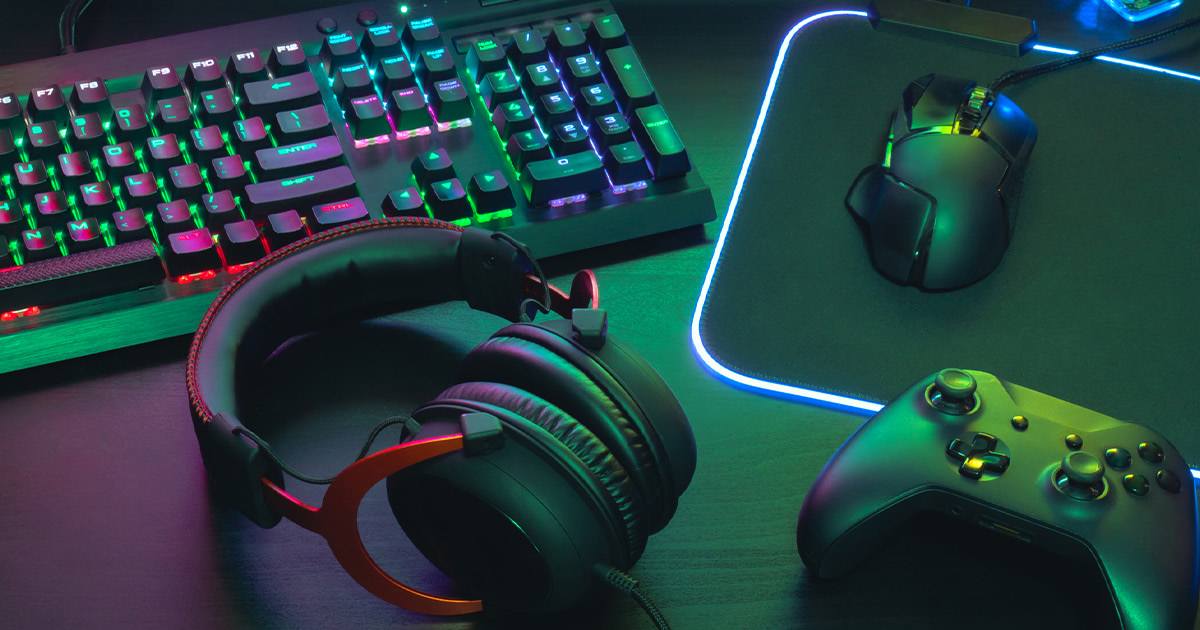
Imagine a world where everyone, regardless of their abilities, can fully enjoy the immersive and captivating experiences that video games offer. It's a vision fueled by inclusive game design, and it's closer than you might think.
Creating games that are truly accessible can be a complex undertaking. Developers often face challenges in understanding the diverse needs of players with disabilities. Integrating accessibility features without compromising the core gameplay experience requires specialized knowledge and careful consideration. Furthermore, staying updated with the evolving landscape of accessibility guidelines and technologies can be overwhelming.
The Gaming Accessibility Workshop: Training for Inclusive Game Design aims to empower game developers, designers, and anyone involved in the game creation process with the knowledge and skills to build inclusive and enjoyable experiences for all players. It equips participants with practical strategies and tools to address the diverse needs of gamers with disabilities, ensuring that more people can participate in and appreciate the art of video games.
This workshop focuses on providing actionable insights and best practices for creating accessible games. We'll delve into understanding different types of disabilities and their impact on gameplay. The importance of inclusive design thinking, usability testing, and accessible game development are crucial aspects that will be touched. The goal is to promote empathy, provide practical skills, and inspire a commitment to inclusivity within the gaming industry.
Understanding Different Disabilities and Their Impact on Gameplay
This section aims to provide a comprehensive overview of various disabilities and how they can affect a player's ability to interact with and enjoy video games. I remember when I first started exploring accessibility in games, I was completely unaware of the breadth of challenges some players faced. I naively assumed that adding subtitles was "enough" for hearing-impaired players. It wasn't until I spoke with players who described the difficulty of relying solely on visual cues, missing important environmental audio information, that I truly understood the need for more nuanced solutions like spatial audio visualizations and descriptive sound cues.
Similarly, I learned that colourblindness isn't a single condition but a spectrum of visual impairments. One player explained how a critical puzzle relied on distinguishing between red and green, rendering it impossible for them to solve. This experience underscored the importance of considering colourblindness when designing game elements and providing alternative colour palettes or visual cues. The target of this aspect of the workshop is to empower developers with a deeper understanding of the diverse needs of players with disabilities, enabling them to design more inclusive and enjoyable experiences for everyone.
Inclusive Design Thinking
Inclusive design thinking is a problem-solving approach that prioritizes the needs of all users, including those with disabilities. It's about designing from the margins, recognizing that solutions that benefit individuals with disabilities often improve the experience for everyone. Gaming Accessibility Workshop: Training for Inclusive Game Design, emphasize the significance of incorporating accessibility considerations from the very beginning of the design process, rather than as an afterthought. This proactive approach allows for seamless integration of accessibility features, resulting in a more natural and intuitive experience for all players. Accessibility is not merely about compliance; it's about enhancing the overall quality and appeal of the game.
Usability Testing with Players with Disabilities
One pervasive myth is that accessibility features are costly and time-consuming to implement, but in reality, many accessibility features can be integrated with minimal effort. Another common misconception is that accessible games are inherently less fun or engaging. Usability testing with players with disabilities is a crucial step in the game development process. It involves gathering feedback from individuals with different disabilities to identify potential barriers and areas for improvement. This iterative process ensures that the game is not only accessible but also enjoyable and engaging for all players.
Accessible Game Development Tools and Techniques
A hidden secret about accessible game development is that it often leads to more creative and innovative game design. When developers are challenged to think outside the box and find solutions for players with disabilities, they often discover new ways to engage and entertain all players. The Gaming Accessibility Workshop shares best practices for implementing various accessibility features, such as customizable controls, adjustable difficulty settings, text-to-speech and speech-to-text options, and alternative input methods. These tools and techniques empower developers to create games that can be enjoyed by a wider audience.
Best Practices for Implementing Accessibility Features
My recommendation to game developers is to start small and iterate. Begin by focusing on a few key accessibility features and gradually expand your efforts as you gain more experience and understanding. Engage with accessibility communities and seek feedback from players with disabilities. Their insights and perspectives are invaluable in ensuring that your game is truly accessible and enjoyable. Remember, accessibility is a journey, not a destination. It's an ongoing process of learning, adapting, and improving.
Creating Customizable Controls
Customizable controls are a cornerstone of accessible game design. Allowing players to remap buttons, adjust sensitivity settings, and use alternative input methods can significantly improve the playing experience for individuals with disabilities. The ability to fully customize controls can make a world of difference for players with limited mobility, allowing them to tailor the game to their specific needs and preferences. The Gaming Accessibility Workshop covers various techniques for implementing customizable controls, including support for keyboard, mouse, gamepad, and assistive devices. By providing players with greater control over their gaming experience, developers can empower them to overcome barriers and enjoy the game to its fullest potential. It's also crucial to ensure that the control scheme is intuitive and easy to understand, with clear visual cues and helpful tutorials.
The Business Case for Accessible Game Design
Accessible game design isn't just the right thing to do; it's also good for business. By creating accessible games, developers can reach a wider audience, increase sales, and improve their brand reputation. The Gaming Accessibility Workshop helps developers understand the business benefits of accessibility and how to make a compelling case for investing in inclusive game design. Accessible games can also generate positive publicity and attract new players who appreciate the developer's commitment to inclusivity. The business case for accessible game design is clear: it's a win-win for developers and players alike.
Accessibility and the Law
While ethical reasons often drive accessibility efforts, legal requirements are also becoming increasingly relevant. Regulations like the Americans with Disabilities Act (ADA) don't directly apply to video games, but related laws and accessibility standards (like WCAG - Web Content Accessibility Guidelines) are shaping expectations. Understanding these legal landscapes and how they may evolve is essential for game developers to avoid potential legal issues and stay ahead of the curve. Gaming Accessibility Workshop delves into these considerations, providing guidance on how to navigate the legal aspects of accessibility and ensure compliance with relevant regulations.
Fun Facts About Accessibility in Gaming
Did you know that some of the earliest video game accessibility features were developed by players themselves? Modders and dedicated community members often created custom solutions and accessibility tools long before they became mainstream in the industry. This highlights the passion and resourcefulness of the gaming community and the importance of listening to player feedback. The Gaming Accessibility Workshop encourages developers to engage with the community and learn from their experiences. Another fun fact is that some games have been designed specifically for players with disabilities, showcasing the potential for innovation and creativity in accessible game design.
How to Get Started with Accessible Game Design
Getting started with accessible game design doesn't have to be daunting. Begin by educating yourself on the principles of inclusive design and familiarizing yourself with accessibility guidelines and best practices. Start with simple accessibility features and gradually incorporate more complex solutions as you gain experience. The Gaming Accessibility Workshop provides a roadmap for getting started with accessible game design, offering practical tips and resources for developers of all levels. Remember, every small step towards accessibility makes a difference in the lives of players with disabilities.
What if All Games Were Accessible?
Imagine a world where all games were designed with accessibility in mind from the outset. This would create a more inclusive and equitable gaming landscape, where everyone could participate and enjoy the art of video games. It would also foster greater understanding and empathy between players with and without disabilities. The Gaming Accessibility Workshop aims to contribute to this vision by empowering developers to create more accessible and inclusive games. This will also lead to more innovation in the games industry and provide new avenues for creative game design and storytelling.
Top 5 Accessibility Features Every Game Should Have
Here's a listicle of top accessibility features that every game should have: 1. Customizable controls: Allow players to remap buttons, adjust sensitivity settings, and use alternative input methods.
2. Adjustable text size and contrast: Ensure that text is legible and easy to read for players with visual impairments.
3. Subtitles and captions: Provide text transcripts of all dialogue and important audio cues.
4. Colourblindness support: Offer alternative colour palettes or visual cues for players with colourblindness.
5. Adjustable difficulty settings: Allow players to tailor the game's difficulty to their skill level and preferences.
Question and Answer
Q: Who should attend the Gaming Accessibility Workshop?
A: Game developers, designers, artists, producers, QA testers, and anyone involved in the game creation process.
Q: What will I learn at the workshop?
A: You'll learn about different types of disabilities, inclusive design principles, accessibility guidelines, and practical techniques for implementing accessibility features in your games.
Q: How can I implement accessibility features without compromising the gameplay experience?
A: By incorporating accessibility considerations from the beginning of the design process and testing your game with players with disabilities.
Q: Will attending the workshop guarantee my game will be fully accessible?
A: While the workshop will provide you with the knowledge and skills to create more accessible games, accessibility is an ongoing process of learning and improvement. Continuous testing and feedback from players with disabilities are essential.
Conclusion of Gaming Accessibility Workshop: Training for Inclusive Game Design
The Gaming Accessibility Workshop: Training for Inclusive Game Design is a vital step towards creating a more inclusive and equitable gaming industry. By empowering developers with the knowledge, skills, and resources they need to build accessible games, we can ensure that more people can experience the joy and enrichment that video games offer. From understanding different disabilities and implementing inclusive design principles to testing with players with disabilities and exploring the business case for accessibility, this workshop provides a comprehensive and practical guide to creating games that are truly for everyone. The goal is to ignite a spark of empathy, fostering a deep commitment to inclusivity within the gaming community. Through shared knowledge, best practices, and a collaborative spirit, this workshop empowers developers to break down barriers, bridge divides, and create gaming experiences that resonate with players of all abilities.
Post a Comment