Gaming Age Representation: Older Adults in Video Game Characters
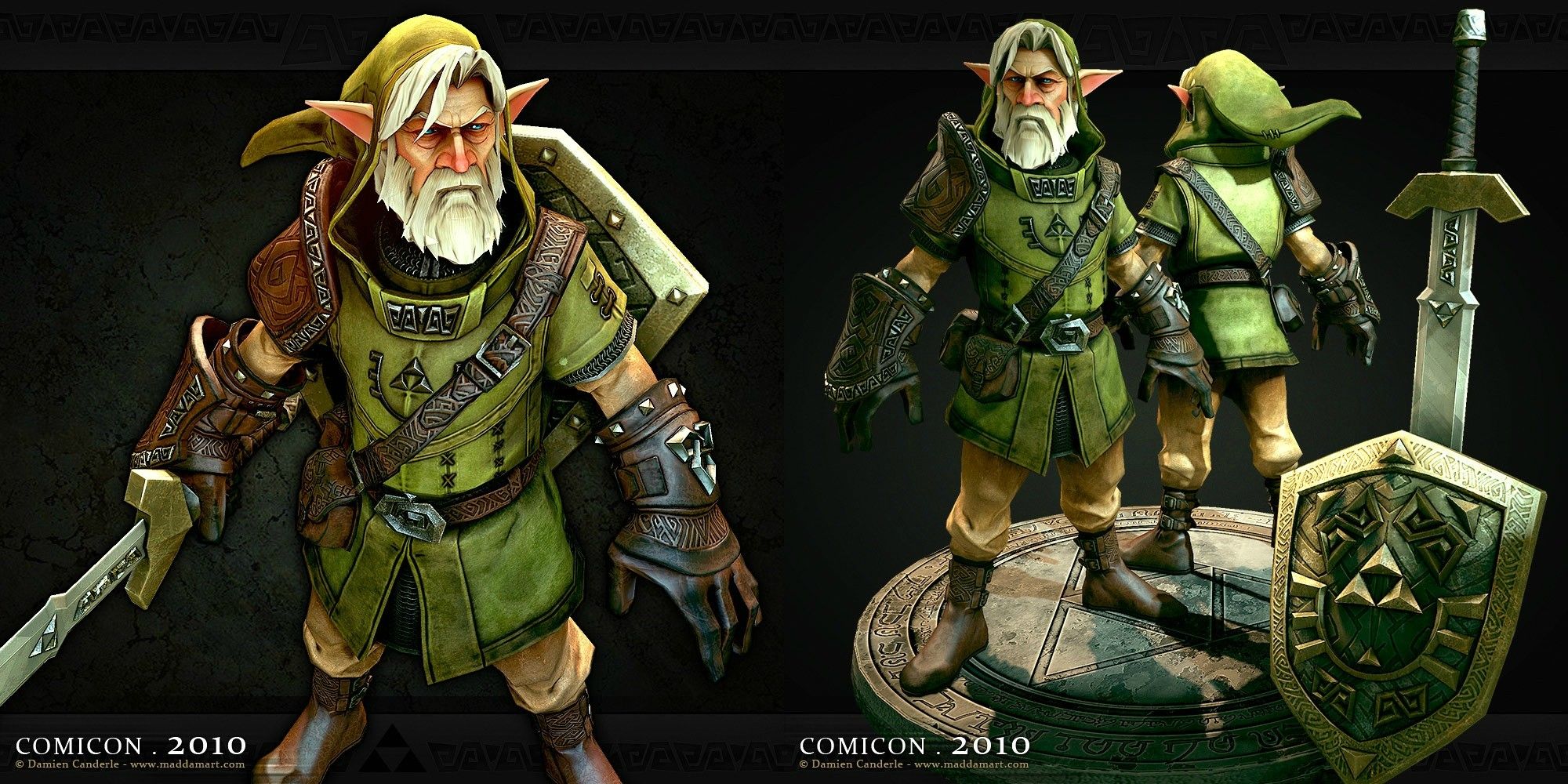
Have you ever noticed something missing when you're immersed in your favorite video game world? Perhaps a certain demographic seems underrepresented, or maybe their portrayal feels a bit…flat? We're diving deep into the world of older adults in video games and exploring how they're depicted, what's working, and what could be improved.
Often, the portrayal of older characters feels limited to frail mentors or comic relief. The richness of experience, wisdom, and even physical prowess that many older individuals possess in real life rarely translates into the digital realm. This absence can be disheartening for older gamers seeking representation and limiting for all players who miss out on diverse character narratives.
This article aims to explore the current landscape of older adult representation in video games. We'll examine existing portrayals, discuss the importance of diverse character creation, and offer insights into fostering more accurate and engaging representations of older characters. Ultimately, we strive to advocate for inclusivity and realism in the gaming world, enriching the experience for all players.
This exploration will delve into the current state of older adult representation, highlighting both successes and areas needing improvement. We will touch upon the importance of diverse character creation and how a more nuanced approach can benefit the gaming community as a whole. Ultimately, the goal is to encourage developers to embrace more realistic and engaging portrayals, leading to a more inclusive and enriching gaming experience for everyone. Keywords: video games, age representation, older adults, character diversity, inclusivity, gaming community.
Personal Experiences with Age Representation
It wasn't until I watched my own grandmother pick up a Nintendo Wii and dominate at bowling that I truly understood the disconnect between real-life older adults and their video game counterparts. Here was a woman who could barely see the TV, yet she possessed an uncanny knack for wrist action that sent digital pins flying. This experience completely shattered my preconceived notions, largely shaped by stereotypical depictions in media, including video games.
The industry often falls into the trap of portraying older characters as either frail and helpless or overly wise and mystical. This binary neglects the wide spectrum of experiences and abilities that older adults possess. My grandmother’s Wii bowling prowess, while seemingly trivial, revealed a hidden dexterity and competitive spirit often overlooked in these representations.
Consider the popular game Skyrim. While the Greybeards offer guidance and ancient wisdom, they are largely static characters, confined to their mountain peak. Where are the older characters actively adventuring, grappling with personal challenges, and showcasing their resilience? The inclusion of such characters would add depth and realism to the game world, offering a more compelling narrative for players of all ages.
We need to move beyond stereotypes and embrace the opportunity to tell stories that reflect the multifaceted nature of aging. Games like The Last of Us(with Bill's gruff survivalism) offer glimpses of what's possible, but there's room for much more nuanced and diverse representation. Imagine a game where you play as an older engineer, using your decades of experience to solve complex puzzles and navigate a crumbling cityscape. Or a former athlete adapting their skills to a new sport in a virtual reality world. The possibilities are endless. By acknowledging the diversity within the older adult population, we can create richer, more engaging, and ultimately more meaningful gaming experiences.
What is Gaming Age Representation: Older Adults?
Gaming age representation, specifically concerning older adults, refers to the way individuals aged 60 and above are portrayed in video games. This encompasses their physical appearance, abilities, roles within the game narrative, and overall contribution to the gaming experience. It goes beyond simply including older characters; it's about representing them in a nuanced, respectful, and realistic manner.
Historically, older characters have often been relegated to stereotypical roles. They might be depicted as wise mentors offering cryptic advice, frail elders in need of constant assistance, or comical figures providing lighthearted relief. While these roles can be entertaining, they often fail to capture the full spectrum of experiences and abilities that older adults possess. This limited representation can reinforce ageist stereotypes and exclude older gamers from feeling seen and valued within the gaming community.
True gaming age representation strives to break free from these tired tropes. It seeks to depict older characters as complex individuals with diverse backgrounds, skills, and motivations. They might be skilled warriors, brilliant scientists, resourceful entrepreneurs, or any other profession or archetype imaginable. Their age shouldn't be a defining limitation but rather a source of unique experiences and perspectives. Games should explore the challenges and triumphs of aging, such as adapting to physical changes, navigating social dynamics, or finding new purpose in later life.
Furthermore, accurate representation requires attention to detail in character design. Older characters should exhibit realistic physical traits, such as wrinkles, gray hair, and age-appropriate posture. Their movements and abilities should reflect their age and physical condition, without resorting to exaggerated stereotypes. By embracing realism and diversity, video games can create more engaging and relatable characters that resonate with players of all ages. Ultimately, better representation fosters a more inclusive gaming community where everyone feels welcome and valued.
History and Myths of Gaming Age Representation
The history of older adult representation in video games is a relatively short one, largely because the gaming industry itself is still relatively young. In the early days, characters were often simplified archetypes, with little emphasis on age or nuanced character development. As the industry has evolved, so too has the potential for more sophisticated portrayals.
However, several myths continue to persist regarding older adults in gaming. One common misconception is that older individuals are not interested in video games. This is demonstrably false, as the number of older gamers has steadily increased over the years. Another myth is that older characters are inherently weak or incapable of performing complex tasks. While some older characters might experience physical limitations, many remain active, skilled, and capable.
Historically, when older charactersdidappear, they often fell into well-worn tropes. The "wise old mentor" is perhaps the most prevalent example. Think of characters like Master Yoda from the Star Warsuniverse (though not technically a video game character initially) or similar figures in fantasy RPGs. While these characters can be powerful and influential, their representation is often limited to providing guidance and dispensing wisdom. They rarely have their own agency or personal struggles.
Another common trope is the "frail elder," depicted as physically weak and in constant need of assistance. This reinforces the stereotype of older adults as being dependent and incapable. While this depiction might reflect the reality for some individuals, it doesn't represent the vast majority of older adults who remain active and independent. A more balanced approach would involve showcasing the resilience, adaptability, and unique strengths that older adults possess. By challenging these myths and embracing more nuanced portrayals, video games can create more engaging and realistic characters that resonate with players of all ages.
Hidden Secrets of Gaming Age Representation
One of the hidden secrets to effective gaming age representation lies in understanding the diverse lived experiences of older adults. This goes beyond surface-level characteristics like wrinkles and gray hair; it delves into the unique perspectives, challenges, and triumphs that come with aging.
Often overlooked is the wealth of knowledge and skills that older characters can bring to a game. Imagine a strategy game where you play as a retired general, using your decades of tactical experience to outmaneuver younger, more aggressive opponents. Or a crafting game where you learn ancient techniques from a skilled artisan, passing down their knowledge to future generations. By tapping into the unique expertise of older characters, developers can add depth and authenticity to their games.
Another secret is to avoid reducing older characters to their age. While age is undoubtedly a factor in their lives, it shouldn't be the defining characteristic. Like any other character, older characters should have their own motivations, flaws, and desires. They should be driven by personal goals, not simply defined by their age-related limitations.
Furthermore, it's crucial to consider the social context in which older characters exist. How do they interact with younger characters? Are they respected and valued within their community? Are they facing ageism or discrimination? By exploring these social dynamics, games can offer a more nuanced and realistic portrayal of aging. One of the biggest secrets is that older gamers themselves are a valuable resource. Involving older gamers in the development process can provide valuable insights and ensure that representations are authentic and respectful. By embracing these hidden secrets, developers can unlock the potential for richer, more engaging, and ultimately more meaningful representations of older adults in video games.
Recommendations for Gaming Age Representation
If we want to see better representations, there are some key recommendations for game developers. It starts with research. Developers should actively research the lives and experiences of older adults. This could involve conducting interviews, consulting with gerontologists, or simply spending time observing older individuals in their communities. This research can provide valuable insights into the challenges, triumphs, and unique perspectives of older adults.
Next, diversify character creation. Character creation tools should offer a wide range of options for creating older characters, including various body types, facial features, and hairstyles. Developers should also consider the impact of age on character abilities, but avoid resorting to stereotypes. Older characters might have reduced physical strength or stamina, but they could also possess unique skills and experience that compensate for these limitations.
Consider expanding the narrative. Game narratives should explore the themes of aging, such as retirement, loss, and legacy. These themes can add depth and emotional resonance to the game, appealing to a wider audience. Older characters should also be given agency and be allowed to play active roles in the story. They shouldn't simply be relegated to supporting roles or used as plot devices.
Finally, engage older gamers. Involving older gamers in the development process can provide valuable feedback and ensure that representations are authentic and respectful. Developers can conduct playtesting sessions with older gamers, solicit their opinions on character designs, and incorporate their feedback into the final product. By following these recommendations, game developers can create more realistic, engaging, and ultimately more inclusive representations of older adults in video games.
Deeper Dive into Age Representation Considerations
Let's dive a little deeper into some specific considerations when designing older characters. Physical representation is crucial. Aging bodies are diverse. Instead of generic "old" models, consider varying body shapes, posture changes, and skin textures that come with age. Think about conditions like arthritis or reduced mobility, and how these might affect a character's animation and movement. A character with a limp, for example, adds a layer of realism and can inform their backstory.
Mental acuity is another important aspect. Avoid the trope of the senile or confused elder. While cognitive decline can occur with age, many older adults remain sharp and mentally agile. Showcase this diversity by depicting characters with different cognitive strengths and weaknesses. Perhaps an older character has exceptional memory for historical events but struggles with modern technology. This creates a more nuanced and believable character.
Social connections also play a role. How do older characters interact with younger generations? Are they respected and valued members of their community, or are they marginalized and ignored? Exploring these social dynamics can add depth to the game's world and narrative. A game could feature an older character mentoring a younger apprentice, passing on valuable skills and knowledge. Or it could explore the challenges of ageism and the importance of intergenerational relationships.
Ultimately, good age representation is about treating older characters with the same respect and attention to detail as any other character. By avoiding stereotypes and embracing diversity, developers can create more engaging, relatable, and ultimately more meaningful gaming experiences for players of all ages. Remember, the goal is to reflect the reality of aging and to challenge preconceptions about what it means to be an older adult.
Tips for Gaming Age Representation
Here are some actionable tips for developers striving for better age representation: First, avoid ageist language. Be mindful of the language used to describe older characters. Avoid terms like "geezer," "old timer," or other derogatory terms. Instead, use respectful and neutral language.
Next, showcase diverse hobbies and interests. Older adults have a wide range of hobbies and interests, just like people of any age. Don't limit older characters to stereotypical activities like knitting or gardening. Instead, showcase their diverse passions, whether it's playing sports, pursuing artistic endeavors, or engaging in political activism. A character could be a competitive e-sports player, a skilled musician, or a passionate environmental advocate.
Consider the impact of technology. Explore how older characters interact with technology. Some older adults are tech-savvy, while others struggle with new devices. A game could feature an older character learning to use a new gadget, or an older character using technology to connect with loved ones. This can add a layer of realism and relatability to the character.
Finally, remember that age is just one aspect of a character's identity. Don't let age define the character entirely. Focus on creating well-rounded individuals with their own unique personalities, motivations, and goals. By following these tips, developers can create more authentic and engaging representations of older adults in video games.
Additional Tips for Authentic Portrayals
Going beyond general advice, let's focus on specific techniques to create truly authentic older characters. Consider their past. What experiences have shaped their worldview? What challenges have they overcome? Giving older characters a rich backstory can make them feel more real and relatable.
Pay attention to their voice. How does their voice sound? Does it have a tremor? Do they speak slowly or deliberately? Using appropriate voice acting can add a layer of authenticity to the character. For example, a voice actor could incorporate subtle changes in pitch and tone to reflect the character's age and emotional state.
Don't be afraid to show vulnerability. Older adults, like everyone else, experience moments of vulnerability. Showing these moments can make them feel more human and relatable. A character could be struggling with grief, loneliness, or the fear of losing their independence.
Conversely, showcase their resilience. Older adults have often overcome significant challenges in their lives. Highlighting their resilience and strength can be incredibly inspiring. A character could be a cancer survivor, a caregiver for a loved one, or someone who has overcome adversity to achieve their goals. By incorporating these elements, developers can create older characters that are both realistic and inspiring. The key is to treat them with respect and to avoid resorting to stereotypes. Authentic portrayals of older adults can enrich the gaming experience for players of all ages.
Fun Facts of Gaming Age Representation
Did you know that the average age of gamers is actually increasing? This means there's a growing audience of older adults who are actively engaging with video games. This makes accurate and respectful age representation even more important.
Another fun fact is that some games have started to incorporate features specifically designed for older players. This includes things like larger text sizes, customizable controls, and simplified gameplay mechanics. These features can make games more accessible and enjoyable for older adults.
Interestingly, some studies have shown that playing video games can actually have cognitive benefits for older adults. This includes improved memory, attention, and problem-solving skills. This highlights the potential of video games to promote healthy aging.
Finally, it's worth noting that some older actors have lent their voices and likenesses to video game characters. This adds a level of authenticity and credibility to the portrayal of older adults. For example, Patrick Stewart has voiced several video game characters, bringing his gravitas and experience to the role. These fun facts highlight the growing importance and potential of age representation in video games. As the gaming industry continues to evolve, it's likely that we'll see even more diverse and engaging portrayals of older adults in the years to come.
How to Improve Gaming Age Representation
Improving age representation in games isn't just about adding older characters; it's about changing the way we think about aging within the game development process. This starts with education. Game developers need to educate themselves about the realities of aging. This could involve reading books, watching documentaries, or talking to older adults directly. The goal is to gain a deeper understanding of the challenges, triumphs, and diverse experiences of older adults.
Next, challenge your own biases. Everyone has biases, whether they realize it or not. Game developers need to be aware of their own biases about aging and challenge them consciously. Are they relying on stereotypes? Are they assuming that older characters are inherently weak or incapable? By challenging these biases, developers can create more authentic and nuanced characters.
Seek feedback from older gamers. Involve older gamers in the development process. Ask them for feedback on character designs, storylines, and gameplay mechanics. Their insights can be invaluable in ensuring that representations are accurate and respectful.
Celebrate diversity. Remember that older adults are not a monolithic group. They come from diverse backgrounds, have diverse interests, and have diverse abilities. Celebrate this diversity in your game by creating a wide range of older characters. By following these steps, game developers can significantly improve age representation in video games and create more inclusive and engaging experiences for players of all ages.
What If We Ignored Gaming Age Representation?
If we were to ignore the importance of accurate gaming age representation, several negative consequences could arise. First, it would perpetuate harmful stereotypes about older adults. By consistently portraying them as frail, helpless, or out-of-touch, we reinforce negative stereotypes that can lead to ageism and discrimination in the real world.
Second, it would alienate older gamers. As the average age of gamers continues to increase, ignoring the needs and desires of older players would be a major misstep. Older gamers are a valuable and growing market, and failing to represent them accurately would be a disservice to this community.
Third, it would limit the potential for compelling storylines. Older characters have a wealth of life experiences to draw upon, and ignoring this potential would be a missed opportunity. By creating diverse and nuanced older characters, developers can unlock new storylines and explore complex themes related to aging, loss, and resilience.
Finally, it would create a less inclusive gaming community. The gaming community should be welcoming to players of all ages, backgrounds, and abilities. By failing to represent older adults accurately, we create a less inclusive environment and perpetuate the notion that gaming is only for young people. Ultimately, ignoring age representation in games would be a disservice to both older adults and the gaming community as a whole. It's important to embrace diversity and to create games that are welcoming and engaging for players of all ages.
Listicle of Games that Do Age Representation Well
Here's a quick listicle of games that have, in some way, made strides towards better age representation (though not all are perfect, they offer positive examples):
1. The Last of Us(Bill): While gruff, Bill is a capable survivor whose age and experience are assets.
2. Life is Strange(Joyce Price): As Max's friend Warren's Mom, she is supportive and not represented in a negative way.
3. Red Dead Redemption 2(Uncle): While comedic, Uncle's ailments are portrayed realistically, and he's more than just a joke.
4. Disco Elysium(Kim Kitsuragi): A stoic and competent officer, Kim’s age is less important than his professionalism, although his world-weariness is palpable.
5. Kentucky Route Zero(Various Characters): This game features a cast of older characters grappling with memory, loss, and the passage of time in poignant and meaningful ways.
These examples demonstrate that it's possible to create compelling and respectful representations of older adults in video games. By building on these successes and continuing to challenge stereotypes, the gaming industry can create a more inclusive and engaging experience for players of all ages.
Question and Answer about Gaming Age Representation
Here are some common questions about gaming age representation:
Q: Why is age representation important in video games?
A: Age representation is important because it promotes inclusivity, challenges stereotypes, and enriches the gaming experience for all players. By accurately representing older adults, we create a more welcoming and diverse gaming community.
Q: What are some common stereotypes about older adults in video games?
A: Common stereotypes include portraying older adults as frail, helpless, senile, or overly wise. These stereotypes fail to capture the diversity and complexity of older adults.
Q: How can game developers improve age representation in their games?
A: Game developers can improve age representation by educating themselves about the realities of aging, challenging their own biases, seeking feedback from older gamers, and celebrating diversity.
Q: What are the benefits of playing video games for older adults?
A: Playing video games can have cognitive benefits for older adults, including improved memory, attention, and problem-solving skills. It can also provide social connections and a sense of accomplishment.
Conclusion of Gaming Age Representation
In conclusion, the portrayal of older adults in video games is a nuanced and evolving topic. While progress has been made, there's still ample room for improvement. By prioritizing accurate and respectful representation, developers can create more inclusive and engaging experiences for all players. This not only benefits older gamers but also enriches the gaming landscape as a whole, fostering a more diverse and understanding community.
Post a Comment