Godot Accessibility: Open Source Game Engine Accessibility
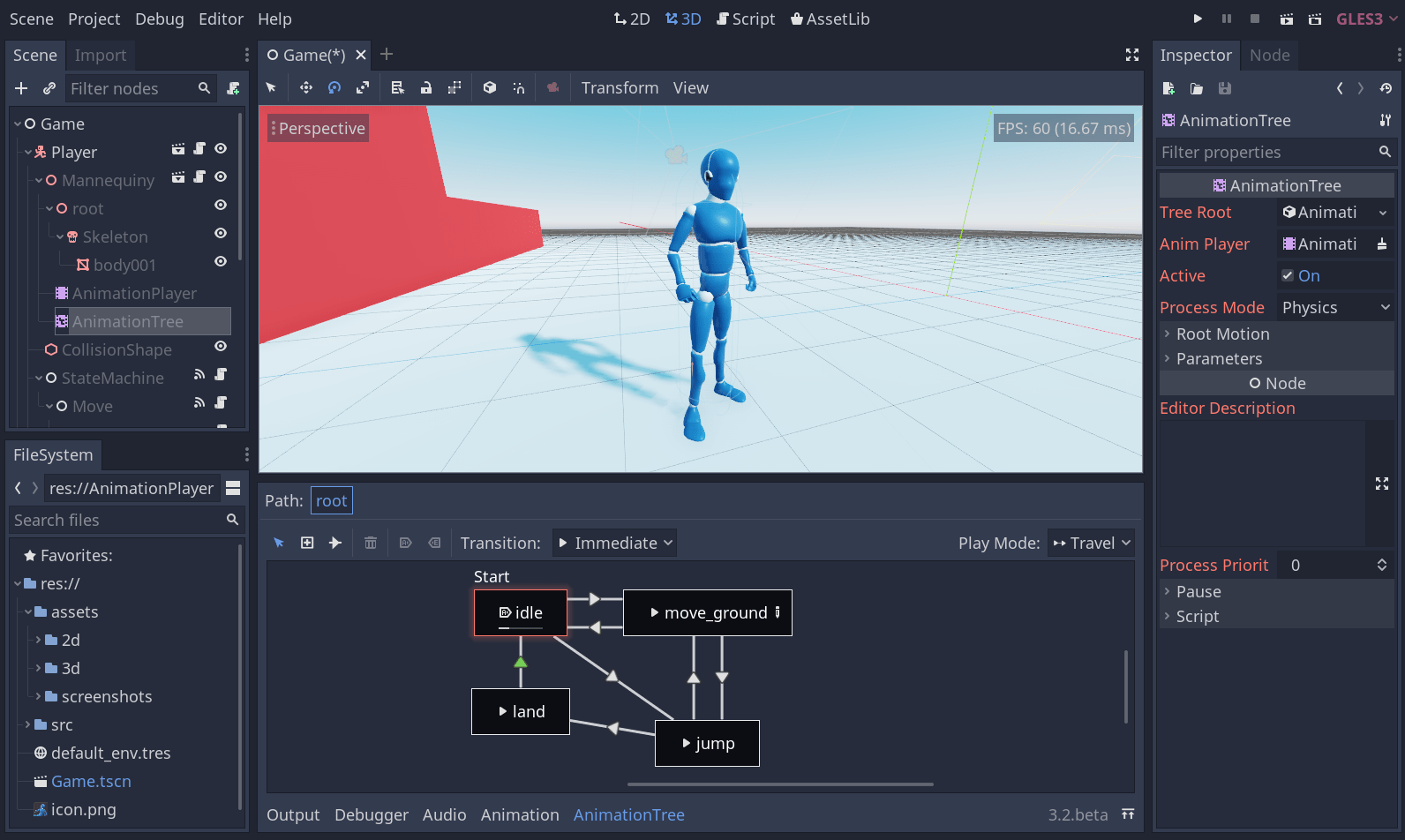
Imagine a world where everyone, regardless of their abilities, can fully enjoy the games we create. Sounds amazing, right? But what if making games accessible felt like navigating a labyrinth? What if the tools and resources needed were scattered and difficult to understand?
Game developers often face hurdles when trying to incorporate accessibility features. Limited documentation, lack of built-in tools, and the complexity of implementing accessibility standards can make the process feel overwhelming. Ensuring that games are inclusive often feels like an uphill battle.
This article aims to shed light on accessibility within the Godot Engine, exploring the available tools, techniques, and best practices for creating games that can be enjoyed by a wider audience. We'll dive into the specifics of implementing features that cater to various needs, ultimately making game development more inclusive and rewarding.
Godot, a free and open-source game engine, offers a unique opportunity to build accessible games from the ground up. Understanding the engine's capabilities and how to leverage them for accessibility is key. We will explore practical tips, resources, and delve into the philosophy behind inclusive game design.
My Personal Journey with Godot Accessibility
My first foray into game development was with Godot. I was immediately drawn to its node-based system and the flexibility of GDScript. However, as I delved deeper, I realized that accessibility wasn't as straightforward as I had hoped. I remember working on a simple puzzle game where color was a key mechanic. It dawned on me that colorblind players would be completely locked out. That realization struck me hard, and I understood that accessibility wasn't just a "nice-to-have" feature; it was fundamental to making games truly enjoyable for everyone.
That initial struggle pushed me to research and experiment. I explored alternative visual cues, adjustable color palettes, and text-to-speech options. The more I learned, the more I understood the importance of planning for accessibility from the start of a project. It's not just about adding features as an afterthought; it's about baking accessibility into the core design. Godot's flexible architecture makes this possible, but it requires a conscious effort and a deep understanding of the needs of diverse players. The experience shaped my approach to game development, making me a passionate advocate for inclusive design.
Accessibility in Godot revolves around designing with inclusivity in mind, encompassing visual, auditory, motor, and cognitive considerations. It involves using features like customizable controls, clear UI design, text-to-speech integration, and alternative input methods. By prioritizing accessibility, developers can create games that are not only fun but also welcoming to a broader audience.
What is Godot Accessibility?
Godot Accessibility refers to the practice of making games developed in the Godot Engine accessible to individuals with disabilities. This encompasses a wide range of considerations, including visual impairments, auditory impairments, motor impairments, and cognitive differences. It's about ensuring that everyone can enjoy and participate in the game experience, regardless of their abilities.
Accessibility in Godot can be achieved through various techniques, such as providing customizable control schemes, implementing alternative text for visual elements, offering audio cues and descriptions, and designing user interfaces that are easy to navigate. Godot's flexible architecture allows developers to implement these features and tailor them to the specific needs of their game. Furthermore, the engine's open-source nature encourages collaboration and the development of community-driven accessibility solutions.
The goal of Godot Accessibility is to create a level playing field for all players, ensuring that everyone has an equal opportunity to experience the joy and challenge of gaming. By embracing accessibility, developers can not only expand their audience but also contribute to a more inclusive and equitable gaming community. It's about recognizing that accessibility is not just a feature; it's a fundamental aspect of good game design.
The History and Myth of Godot Accessibility
The history of accessibility in game development, and particularly within Godot, is still being written. While accessibility has been a consideration in some corners of the industry for years, it hasn't always been a central focus. In the early days of game development, technical limitations often took precedence, leaving accessibility as an afterthought, if it was considered at all. However, as technology has advanced and awareness has grown, the importance of accessibility has become increasingly recognized.
A common myth is that making a game accessible requires a significant overhaul of the design and adds substantial development time. While it's true that retrofitting accessibility can be challenging, designing with accessibility in mind from the outset can actually streamline the process and improve the overall quality of the game. Another myth is that accessibility only benefits a small percentage of players. In reality, many accessibility features, such as customizable controls and clear UI design, benefit all players, regardless of their abilities.
Godot, with its open-source nature and flexible architecture, is well-positioned to be at the forefront of accessible game development. The engine's community is actively working on developing tools and resources to make accessibility easier to implement. As more developers embrace accessibility as a core design principle, the myth that it's too difficult or costly will continue to be dispelled.
The Hidden Secrets of Godot Accessibility
One of the hidden secrets of Godot accessibility lies in its powerful scripting language, GDScript. GDScript allows developers to create custom accessibility solutions tailored to their specific game. For example, developers can use GDScript to implement dynamic difficulty adjustments based on player performance, or to create custom control schemes that are optimized for different input devices.
Another hidden secret is the ability to leverage Godot's signal system to create accessible UI elements. Signals allow developers to easily trigger events when UI elements are interacted with, which can be used to provide audio feedback or visual cues. This can be particularly helpful for players with visual impairments, who may rely on screen readers or other assistive technologies.
Furthermore, Godot's resource management system can be used to create alternative versions of game assets that are optimized for accessibility. For example, developers can create high-contrast versions of textures for players with low vision, or simplified versions of models for players with cognitive impairments. By leveraging these hidden secrets, developers can create truly accessible games that are enjoyable for everyone.
Recommendations for Godot Accessibility
When embarking on your Godot accessibility journey, start by familiarizing yourself with the Web Content Accessibility Guidelines (WCAG). While these guidelines are primarily for web content, they provide a solid foundation for understanding accessibility principles and best practices. Next, explore Godot's built-in accessibility features, such as the input mapping system and the UI theming options.
Consider the needs of different player groups from the outset of your project. Think about how players with visual impairments, auditory impairments, motor impairments, and cognitive differences might interact with your game. Seek feedback from disabled gamers throughout the development process to ensure that your accessibility features are effective and user-friendly.
Don't be afraid to experiment and try new things. Godot's flexibility allows you to create innovative accessibility solutions that are tailored to your specific game. Share your findings with the Godot community to help others learn and improve their accessibility practices. Remember, accessibility is an ongoing process, and there's always room for improvement. By prioritizing accessibility, you can create games that are not only fun but also inclusive and welcoming to a wider audience.
Diving Deeper into Specific Accessibility Features
Let's explore some specific accessibility features in Godot in more detail. One crucial aspect is providing customizable controls. Godot's input mapping system allows players to remap controls to their preferred keys or input devices. This is essential for players with motor impairments who may not be able to use standard keyboard and mouse setups. Consider allowing players to create multiple control profiles and easily switch between them.
Another important feature is providing alternative text for visual elements. For players with visual impairments, alternative text allows screen readers to describe the content of images, icons, and other visual elements. Be sure to provide descriptive and concise alternative text for all important visual elements in your game. Consider using dynamic alternative text that changes based on the game's context.
Audio cues and descriptions can significantly enhance accessibility for players with visual impairments. Provide audio cues for important events, such as button presses, enemy attacks, and level transitions. Consider adding audio descriptions for cutscenes and other visual narratives. Ensure that audio cues are distinct and easily distinguishable from other sounds in the game. By implementing these features, you can create a more accessible and enjoyable experience for all players.
Tips for Godot Accessibility
One of the most valuable tips I can offer is to test your game early and often with people who have disabilities. Their feedback will be invaluable in identifying areas where your game falls short and in helping you to improve its accessibility. Don't rely solely on automated testing tools, as they can only catch some accessibility issues. Human feedback is essential for understanding the lived experience of disabled gamers.
Another important tip is to document your accessibility features clearly and concisely. Provide information on how to enable and customize accessibility options in your game's settings menu. Consider creating a separate section in your game's manual or online documentation dedicated to accessibility. The more information you provide, the easier it will be for players to understand and utilize your accessibility features.
Finally, remember that accessibility is not a one-size-fits-all solution. Different players have different needs and preferences. Provide a variety of accessibility options to cater to a wide range of abilities. Allow players to customize their experience to suit their individual needs. By offering flexibility and choice, you can create a more inclusive and welcoming game for everyone.
The Importance of Inclusive UI Design
Inclusive UI design is paramount when creating accessible games in Godot. A well-designed user interface should be easy to navigate, understand, and interact with, regardless of a player's abilities. Use clear and concise language in your UI elements. Avoid jargon and technical terms that may be confusing to some players. Consider providing tooltips or other forms of contextual help to explain the purpose of UI elements.
Ensure that your UI elements have sufficient contrast between text and background colors. This is crucial for players with low vision. Use a color contrast checker to verify that your color combinations meet accessibility standards. Avoid using color as the sole means of conveying information. Provide alternative visual cues, such as icons or text labels, to supplement color coding.
Design your UI with keyboard and gamepad navigation in mind. Ensure that all UI elements can be accessed and interacted with using a keyboard or gamepad. Provide clear visual focus indicators to show which UI element is currently selected. Use a logical and consistent navigation order to make it easy for players to move through the UI. By following these guidelines, you can create a UI that is accessible and enjoyable for all players.
Fun Facts About Godot Accessibility
Did you know that many accessibility features, such as customizable controls and clear UI design, can actually enhance the gameplay experience for all players, not just those with disabilities? For example, customizable controls can allow players to fine-tune their input settings to improve their performance. Clear UI design can make it easier for players to understand the game's mechanics and objectives.
Another fun fact is that Godot's open-source nature makes it a fertile ground for innovation in accessibility. The engine's community is constantly developing new tools and techniques to make accessibility easier to implement. Many of these tools are freely available and can be easily integrated into your Godot projects.
Furthermore, accessibility can be a source of creative inspiration. Designing with accessibility in mind can force you to think outside the box and come up with innovative solutions that you might not have considered otherwise. By embracing accessibility, you can unlock new creative possibilities and create games that are truly unique and engaging.
How to Implement Godot Accessibility
Implementing accessibility in Godot starts with careful planning. Before you begin coding, take the time to consider the accessibility needs of your target audience. Research different accessibility guidelines and best practices. Identify the key areas where your game may present accessibility challenges. Develop a plan for addressing these challenges.
As you develop your game, use Godot's built-in accessibility features to your advantage. Utilize the input mapping system to allow players to customize their controls. Use the UI theming options to create high-contrast UI elements. Implement alternative text for visual elements. Provide audio cues and descriptions for important events.
Throughout the development process, test your game with people who have disabilities. Their feedback will be invaluable in identifying areas where your game falls short and in helping you to improve its accessibility. Iterate on your design based on their feedback. By following these steps, you can create a game that is accessible and enjoyable for all players.
What if Godot Accessibility?
What if we fully embraced accessibility in Godot and made it a core design principle for all games developed with the engine? The potential impact would be immense. We would create a more inclusive and welcoming gaming community for all. We would empower disabled gamers to participate fully in the joy and challenge of gaming. We would unlock new creative possibilities and develop innovative gameplay experiences.
Moreover, we would set an example for the rest of the game industry. We would demonstrate that accessibility is not just a "nice-to-have" feature but a fundamental aspect of good game design. We would inspire other developers to prioritize accessibility in their own projects. We would create a ripple effect that would transform the gaming landscape.
By embracing Godot Accessibility, we can create a future where everyone has the opportunity to experience the magic of gaming. It's a future worth striving for. Let's work together to make it a reality.
Listicle: 5 Key Godot Accessibility Features
Here are 5 key Godot accessibility features that you should consider implementing in your games:
1. Customizable Controls: Allow players to remap controls to their preferred keys or input devices.
2. Alternative Provide descriptive alternative text for all important visual elements.
3. Audio Cues and Descriptions: Provide audio feedback for important events and descriptions for visual narratives.
4. High-Contrast UI: Use a color palette that is easy to see for players with low vision.
5. Keyboard and Gamepad Navigation: Ensure that all UI elements can be accessed and interacted with using a keyboard or gamepad.
By implementing these features, you can significantly improve the accessibility of your Godot games and make them more enjoyable for all players.
Question and Answer
Question: What are the most common accessibility barriers in games?
Answer: Common barriers include lack of customizable controls, poor UI contrast, absence of alternative text for images, reliance on auditory cues without visual alternatives, and complex or fast-paced gameplay that may be difficult for players with cognitive differences.
Question: How can I test the accessibility of my Godot game?
Answer: Involve disabled gamers in your testing process. Use accessibility testing tools to check for common issues. Manually test your game using assistive technologies like screen readers and keyboard-only navigation.
Question: Where can I find resources and support for Godot accessibility?
Answer: Explore the Godot documentation and community forums. Search for accessibility-related tutorials and articles. Connect with other developers who are passionate about accessibility. Consider joining or contributing to open-source accessibility projects.
Question: Does implementing accessibility significantly increase development time?
Answer: While retrofitting accessibility can be time-consuming, designing with accessibility in mind from the start can actually streamline the process. The initial planning and research may take extra time, but the long-term benefits outweigh the costs.
Conclusion of Godot Accessibility
Accessibility within the Godot Engine is not merely a feature to be added, but rather a philosophy to embrace. It requires a shift in mindset, a commitment to inclusivity, and a willingness to learn and adapt. By understanding the principles of accessible design and leveraging Godot's flexible architecture, developers can create games that are not only enjoyable but also welcoming to a diverse range of players. The journey towards accessibility is an ongoing one, but the rewards – a more inclusive gaming community and richer, more engaging experiences for all – are well worth the effort.
Post a Comment