Inclusive Gaming Conference: Accessibility Events and Conferences
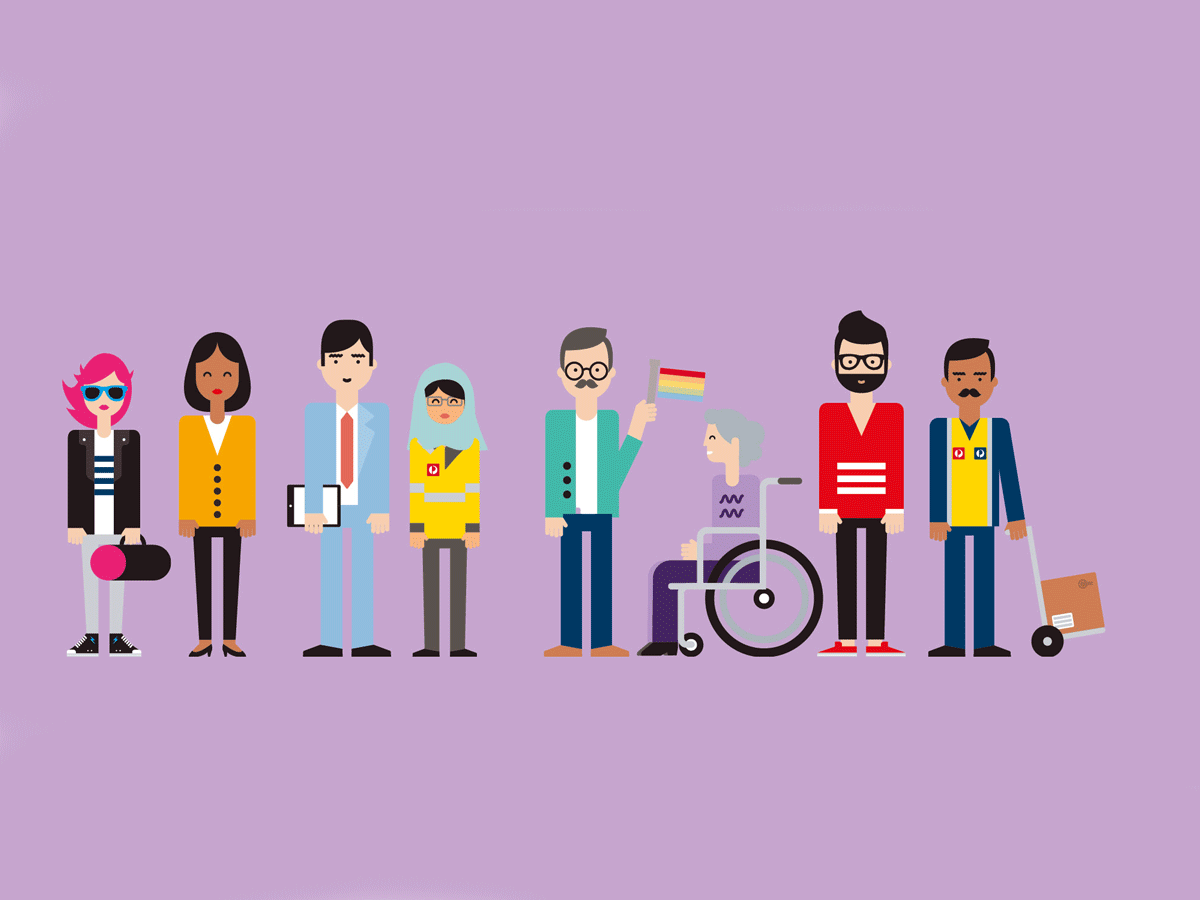
Imagine a world where everyone, regardless of ability, can fully participate in the thrill and joy of gaming. A world where developers actively consider accessibility from the very start, ensuring that no one is left on the sidelines. That future is closer than you think, and it's being shaped by important gatherings focused on inclusivity.
For many gamers with disabilities, navigating the gaming landscape can be a frustrating experience. Games often lack essential features, making it difficult or impossible to play. Finding resources and connecting with others who understand these challenges can also feel isolating. This lack of access limits opportunities for enjoyment and social connection.
This article explores the world of inclusive gaming conferences and accessibility events. These events are crucial for fostering dialogue between developers, accessibility experts, and gamers with disabilities. They serve as hubs for sharing knowledge, showcasing innovative solutions, and building a more inclusive gaming community.
This article will guide you through the importance of inclusive gaming conferences and accessibility events. We'll explore the benefits they offer, delve into specific examples, and offer insights into how you can get involved. This includes discussing the meaning of inclusive gaming, the history and "myths" surrounding accessibility, and tips for ensuring accessibility in games. It's about creating a future where everyone can play.
The Power of Connection: My First Accessibility Event
I remember attending my first accessibility-focused gaming event. Honestly, I was nervous. I’d always been passionate about gaming, but I hadn't truly considered the barriers faced by many players. Walking into that conference room felt like stepping into a different world – a world where accessibility wasn't just an afterthought, but the central focus. I saw firsthand the incredible innovation and dedication of developers who were actively seeking solutions to make their games more inclusive. It was inspiring to witness gamers with disabilities sharing their experiences, providing invaluable feedback, and advocating for change. Before that day, I thought of accessibility as something technical and somewhat abstract. But after hearing personal stories and witnessing the genuine passion in the room, I realized that it's fundamentally about empathy, respect, and the right to play. It's about removing barriers and opening doors for everyone to enjoy the magic of gaming. That single event transformed my perspective and ignited a desire to contribute to a more inclusive gaming future. Inclusive gaming conferences provide a space for developers, designers, researchers, and gamers with disabilities to connect, collaborate, and share knowledge. These events often feature workshops, panels, and showcases of accessible games and technologies. By attending these conferences, individuals can learn about the latest advancements in accessibility, network with experts in the field, and contribute to the ongoing conversation about inclusivity in gaming. Accessibility events can also raise awareness about the importance of accessibility among developers, publishers, and the broader gaming community.
What Exactly is Inclusive Gaming?
Inclusive gaming goes beyond simply adding accessibility features to a game as an afterthought. It's about incorporating accessibility considerations into every stage of the development process, from initial design to final release. Inclusive gaming strives to create experiences that are enjoyable and engaging for the widest possible range of players, regardless of their abilities. This means considering a variety of disabilities, including visual, auditory, motor, and cognitive impairments. Inclusive design principles are used, with an eye toward flexible gameplay options. For example, customizable controls, adjustable text sizes, colorblind modes, and alternative input methods can make a significant difference in a player's experience. Inclusive gaming also recognizes the importance of representation and diversity within game narratives and characters. By portraying characters with disabilities in authentic and nuanced ways, games can challenge stereotypes and promote greater understanding and empathy. Ultimately, inclusive gaming is about creating a welcoming and equitable environment where everyone feels valued and empowered to participate.
History and "Myths" of Accessible Gaming
The concept of accessible gaming isn't new, but it has gained significant momentum in recent years. Early efforts focused primarily on adapting existing games with assistive technologies like specialized controllers and screen readers. However, a shift occurred as developers began to recognize the importance of designing games with accessibility in mind from the outset. One common myth is that accessibility is expensive and time-consuming to implement. While it's true that incorporating accessibility features requires effort and resources, it doesn't necessarily have to break the bank. In many cases, simple design choices can make a big difference. For example, providing customizable controls and clear visual cues can benefit a wide range of players, not just those with disabilities. Another myth is that accessibility only benefits a small percentage of gamers. In reality, accessibility features can enhance the gaming experience for everyone. Customizable controls can improve comfort and reduce strain for all players, while clear visual cues can make games easier to understand and follow. Additionally, accessibility considerations can often lead to innovative design solutions that improve the overall quality of a game. As the gaming community becomes more diverse and inclusive, the demand for accessible games will continue to grow. By embracing accessibility, developers can tap into a larger market and create experiences that are truly enjoyable for everyone.
Unveiling the "Hidden Secrets" of Accessibility
The "hidden secret" of inclusive gaming is that it's not just about doing the right thing; it's also good for business. Games that are accessible to a wider audience have the potential to reach a larger market and generate more revenue. In addition, accessible games often receive positive media attention and are praised by gamers with disabilities, leading to increased brand loyalty and positive word-of-mouth. Another secret is that accessibility can be a source of innovation. By considering the needs of gamers with disabilities, developers can come up with creative solutions that benefit all players. For example, subtitles were initially designed for gamers who are deaf or hard of hearing, but they are now widely used by players who want to follow the dialogue in noisy environments or while watching gameplay streams. Furthermore, inclusive design principles can help developers create games that are more engaging, intuitive, and enjoyable for everyone. Accessible games are not only more inclusive, but also more user-friendly and well-designed. The accessibility is now being used to boost sales and make more money than most companies think.
Recommendations for Embracing Inclusive Gaming
If you're a developer, start by educating yourself about accessibility. Attend inclusive gaming conferences, read articles and blogs about accessible game design, and consult with accessibility experts. Incorporate accessibility considerations into your design process from the beginning, rather than treating it as an afterthought. Seek feedback from gamers with disabilities throughout the development process, and be willing to iterate on your designs based on their input. If you're a gamer, support developers who are committed to accessibility. Buy their games, write positive reviews, and share your experiences with others. Advocate for accessibility within the gaming community by raising awareness and promoting inclusive gaming practices. If you encounter a game that is not accessible, provide constructive feedback to the developers and suggest ways to improve it. Accessibility should be considered a core principle of game development. Inclusive gaming conferences are important for creating a game that is open to all.
Diving Deeper: Specific Accessibility Features
Let's delve into some specific accessibility features that can make a significant difference in a gamer's experience. For visual impairments, features like screen readers, customizable text sizes and colors, high-contrast modes, and audio cues can help players navigate the game world and understand the information presented on the screen. For auditory impairments, subtitles, visual representations of sound effects, and customizable audio levels can ensure that players don't miss important information. For motor impairments, customizable controls, alternative input methods (such as eye-tracking or voice control), and adjustable difficulty levels can make games more accessible and enjoyable. For cognitive impairments, clear and concise instructions, tutorials, and adjustable difficulty levels can help players understand the game mechanics and progress at their own pace. This is also known as easy to play mode. By implementing a variety of accessibility features, developers can create games that are truly inclusive and welcoming for all players. It is important to know your audience when releasing a game.
Practical Tips for Creating Accessible Games
One of the most important tips for creating accessible games is to involve gamers with disabilities in the development process. Their feedback is invaluable for identifying potential barriers and designing effective solutions. Conduct user testing with gamers with disabilities to gather insights into their experiences and needs. Another tip is to follow established accessibility guidelines, such as the Web Content Accessibility Guidelines (WCAG). These guidelines provide a comprehensive framework for creating accessible digital content, including games. They cover a wide range of accessibility considerations, including visual, auditory, motor, and cognitive impairments. Another tip is to design your game with flexibility in mind. Offer customizable controls, adjustable difficulty levels, and a variety of input methods to cater to different players' needs. Allow players to remap buttons, adjust the size and color of text, and disable features that they find distracting or overwhelming. By providing players with a wide range of options, you can empower them to customize their gaming experience to suit their individual needs and preferences. Involving gamers with disabilities is very important.
Resources for Learning About Accessibility
There are numerous resources available for developers who want to learn more about accessibility. The Game Accessibility Guidelines (GAG) provide a comprehensive set of guidelines for creating accessible games. They cover a wide range of topics, including visual, auditory, motor, and cognitive accessibility. The International Game Developers Association (IGDA) has a Special Interest Group (SIG) on Game Accessibility that provides resources and support for developers who are interested in creating accessible games. The SIG hosts webinars, workshops, and other events to educate developers about accessibility best practices. There are also many online forums and communities where developers can connect with accessibility experts and share their experiences. By taking advantage of these resources, developers can gain the knowledge and skills they need to create truly accessible games. The Special Interest Group is very knowledgable.
Fun Facts About Inclusive Gaming
Did you know that the video game industry is estimated to be worth over $200 billion? This makes gaming one of the largest entertainment industries in the world. But what's even more exciting is the growing recognition of the importance of inclusive gaming. Studies have shown that gamers with disabilities represent a significant portion of the gaming market. By creating accessible games, developers can tap into this market and generate significant revenue. Another fun fact is that many accessibility features benefit all players, not just those with disabilities. For example, subtitles were originally designed for gamers who are deaf or hard of hearing, but they are now widely used by players who want to follow the dialogue in noisy environments or while watching gameplay streams. Also, customizable controls can improve comfort and reduce strain for all players, while clear visual cues can make games easier to understand and follow. Inclusive gaming is not just about doing the right thing; it's also about creating better games for everyone. The video game industry is worth over $200 billion.
How to Get Involved in Inclusive Gaming
There are many ways to get involved in inclusive gaming. If you're a developer, start by educating yourself about accessibility and incorporating accessibility considerations into your design process. Attend inclusive gaming conferences, read articles and blogs about accessible game design, and consult with accessibility experts. If you're a gamer with a disability, share your experiences with developers and advocate for accessibility in the games you play. Provide constructive feedback to developers and suggest ways to improve the accessibility of their games. If you're a gamer without a disability, support developers who are committed to accessibility and advocate for inclusive gaming practices within the gaming community. By working together, we can create a gaming world that is welcoming and inclusive for everyone. Together we can improve the games.
What If We Don't Embrace Inclusive Gaming?
If we don't embrace inclusive gaming, we risk excluding a significant portion of the gaming population. Gamers with disabilities will continue to face barriers to participation, and the gaming community will miss out on the talent and perspectives of these individuals. Furthermore, the gaming industry will fail to reach its full potential, as it will be limited by its lack of accessibility. By embracing inclusive gaming, we can create a more equitable and enriching gaming experience for everyone. There is always something new to learn about gaming.
Top 5 Reasons to Attend Inclusive Gaming Conferences
1. Learn about the latest advancements in accessibility: Inclusive gaming conferences are a great place to learn about the latest technologies and techniques for creating accessible games.
2. Network with accessibility experts: Conferences provide an opportunity to connect with leading experts in the field of game accessibility.
3. Share your experiences and perspectives: Conferences offer a platform for gamers with disabilities to share their experiences and perspectives with developers and other members of the gaming community.
4. Advocate for accessibility: Conferences provide an opportunity to advocate for accessibility and promote inclusive gaming practices.
5. Contribute to a more inclusive gaming future: By attending conferences, you can help shape the future of gaming and create a more welcoming and inclusive environment for all players. This is very important to the gaming community.
Question and Answer
Q: What are some common accessibility features in video games?
A: Common accessibility features include customizable controls, adjustable text sizes and colors, subtitles, audio cues, and adjustable difficulty levels.
Q: How can developers learn more about accessibility?
A: Developers can learn more about accessibility by attending inclusive gaming conferences, reading articles and blogs about accessible game design, and consulting with accessibility experts.
Q: Why is inclusive gaming important?
A: Inclusive gaming is important because it ensures that everyone, regardless of ability, can fully participate in the thrill and joy of gaming.
Q: What can gamers do to advocate for accessibility?
A: Gamers can advocate for accessibility by supporting developers who are committed to accessibility, providing constructive feedback to developers, and promoting inclusive gaming practices within the gaming community.
Conclusion of Inclusive Gaming Conference: Accessibility Events and Conferences
Inclusive gaming conferences and accessibility events play a vital role in shaping a more inclusive future for the gaming world. They provide a platform for developers, accessibility experts, and gamers with disabilities to connect, collaborate, and share knowledge. By embracing accessibility, we can create games that are truly enjoyable and engaging for everyone. From understanding the importance of inclusive design to exploring specific accessibility features and attending relevant conferences, there are many ways to contribute to this important movement. Let's work together to ensure that the gaming community is welcoming and accessible to all.
Post a Comment