Indigenous Gaming Representation: Native Cultures in Video Games
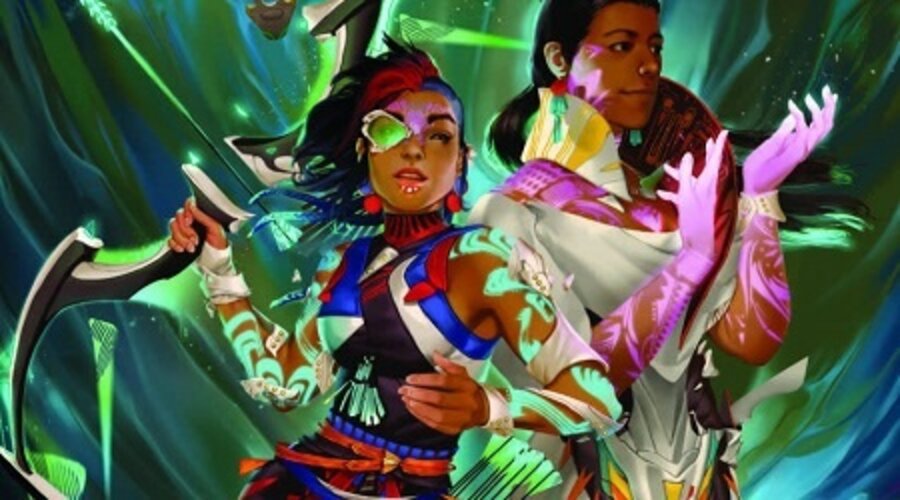
Have you ever paused mid-game and wondered, "Is this representation accurate?" When it comes to Indigenous cultures in video games, the question carries immense weight. It's not just about aesthetics; it's about respect, understanding, and cultural preservation.
There's a pervasive problem with the way Indigenous peoples and their cultures are portrayed in many video games. Too often, their stories are reduced to stereotypes, their spiritual beliefs are misrepresented, or their histories are erased altogether. This leads to a skewed understanding and perpetuates harmful biases within the gaming community and beyond.
The goal is to explore the complexities of Indigenous representation in the interactive world of video games, shedding light on the importance of authentic portrayal, the potential for positive impact, and the ongoing efforts to rectify past missteps. Ultimately, this exploration seeks to empower Indigenous voices and ensure that their cultures are celebrated and understood with respect and accuracy.
This article delves into the complex landscape of Indigenous representation in video games. We'll explore the issues with stereotypical portrayals, the positive impact of authentic representation, and the collaborative efforts between developers and Indigenous communities to create culturally respectful and accurate games. We'll also examine specific examples of games that have succeeded or failed in their depictions, offering insights into best practices and the potential for using games as a tool for cultural understanding and preservation. Keywords: Indigenous representation, video games, Native cultures, cultural accuracy, stereotypes, game development, cultural sensitivity.
Personal Reflections on Indigenous Representation in Games
As a child, I remember encountering Native American characters in games who were often depicted as stoic warriors or mystical shamans, always existing in the past. It felt like these portrayals were frozen in time, lacking the dynamism and complexity of real-world Indigenous communities. They rarely reflected the diversity and contemporary experiences of Native people. This early exposure sparked a lifelong interest in understanding how different cultures are represented in media, and particularly, how often these representations fall short of authentic storytelling. It wasn't until I grew older and began actively seeking out games developed in collaboration with Indigenous communities that I started to see a shift in the narrative. Games like "Never Alone (Kisima Ingitchuna)" offered a glimpse into the rich traditions and perspectives of the Iñupiat people, allowing players to experience their world through their eyes. This kind of authentic storytelling is crucial for dismantling stereotypes and fostering genuine understanding. The move towards more inclusive and respectful representation is essential for creating a gaming landscape that celebrates the diversity of human experiences, fostering empathy, and providing a platform for Indigenous voices to be heard.
Understanding Indigenous Representation
Indigenous representation in video games goes beyond simply including Native characters or using elements of their culture as window dressing. True representation involves working closely with Indigenous communities to ensure that their stories, traditions, and perspectives are accurately and respectfully portrayed. This includes consulting with tribal elders, cultural experts, and community members throughout the game development process, from initial concept to final release. When done right, Indigenous representation can be a powerful tool for cultural preservation, education, and reconciliation. It can challenge stereotypes, promote empathy, and create opportunities for gamers to learn about the rich histories and contemporary realities of Indigenous peoples. However, when done poorly, it can reinforce harmful biases, perpetuate misinformation, and cause significant harm to Indigenous communities. Therefore, it's crucial for game developers to approach Indigenous representation with sensitivity, humility, and a genuine commitment to collaboration and authenticity. This might involve incorporating Indigenous languages, showcasing traditional art forms, and addressing historical injustices. The ultimate goal is to create games that not only entertain but also educate and inspire players to engage with Indigenous cultures in a meaningful way.
History and Myth in Indigenous Gaming Representation
The history of Indigenous representation in video games is often intertwined with myth and stereotype. Early games frequently relied on tropes of the "noble savage" or the "mystical shaman," portraying Indigenous peoples as exotic and primitive, detached from the modern world. These portrayals often romanticized the past while ignoring the complex realities of colonization, cultural erasure, and ongoing struggles for self-determination. Many myths have been perpetuated, such as the idea that all Indigenous cultures are monolithic or that their traditions are relics of a bygone era. It is essential to acknowledge and challenge these myths to create more authentic and nuanced representations. More recently, there has been a growing movement towards decolonizing game narratives and incorporating Indigenous perspectives. Some games are now exploring historical events from an Indigenous point of view, shedding light on the impact of colonization and celebrating the resilience of Native communities. By centering Indigenous voices and perspectives, developers can help to dismantle harmful stereotypes and promote a more accurate and respectful understanding of history. This shift requires a willingness to listen to Indigenous communities, learn from their experiences, and collaborate on creating games that honor their heritage and amplify their voices. The key is to move beyond simplistic tropes and embrace the complexity and diversity of Indigenous cultures.
Hidden Secrets of Authentic Portrayal
One of the hidden secrets to authentic Indigenous representation in video games lies in the details. It's not enough to simply include Native characters or settings; developers must also pay attention to the nuances of language, art, music, and cultural practices. For example, using accurate terminology and avoiding pan-Indian stereotypes is crucial. Working with Indigenous language speakers to incorporate authentic dialogue and place names can add depth and authenticity to the game world. Additionally, collaborating with Indigenous artists and musicians to create culturally appropriate artwork and soundtracks can help to immerse players in the richness of Native cultures. Another hidden secret is the importance of addressing difficult topics, such as historical trauma, systemic racism, and environmental injustice. While it may be tempting to gloss over these issues, acknowledging them in a sensitive and respectful way can create a more meaningful and impactful gaming experience. This might involve including narratives that explore the impact of colonization on Indigenous communities or highlighting contemporary struggles for sovereignty and self-determination. By delving into these hidden layers of cultural complexity, developers can create games that not only entertain but also educate and inspire players to engage with Indigenous cultures in a more meaningful way.
Recommendations for Meaningful Representation
To foster meaningful Indigenous representation in video games, I offer a few recommendations. First, prioritize consultation and collaboration with Indigenous communities from the outset of development. Ensure that your team includes Indigenous voices and perspectives in all key decision-making processes. Second, invest in cultural sensitivity training for all members of your development team. This will help to raise awareness of potential biases and stereotypes and promote a more respectful and inclusive approach to game design. Third, conduct thorough research on the specific Indigenous cultures you are portraying. Avoid relying on generic or pan-Indian representations. Fourth, be willing to listen to feedback from Indigenous players and critics. Use their insights to improve your game and address any concerns that may arise. Fifth, consider partnering with Indigenous organizations or cultural institutions to promote your game and ensure that it reaches the right audiences. By following these recommendations, developers can create games that not only entertain but also celebrate the diversity and resilience of Indigenous cultures. It is essential to approach Indigenous representation with humility, respect, and a genuine commitment to authenticity. The goal is to create games that empower Indigenous voices, challenge stereotypes, and promote a more inclusive and understanding world.
The Power of Collaborative Game Development
Collaborative game development, especially when it involves Indigenous communities, possesses immense power to reshape narratives and foster genuine understanding. This approach transcends mere consultation; it's about actively involving Indigenous peoples in every stage of the creative process, from initial concept to final product. By partnering with tribal elders, cultural experts, and community members, developers can ensure that their games accurately and respectfully portray Indigenous cultures, histories, and perspectives. This collaborative model not only enhances the authenticity of the game but also empowers Indigenous communities to tell their own stories, challenge stereotypes, and reclaim their narratives. It provides a platform for Indigenous voices to be heard and celebrated, promoting cultural preservation and education. Furthermore, collaborative game development can foster cross-cultural dialogue and understanding, bridging the gap between Indigenous and non-Indigenous communities. It can inspire empathy, challenge biases, and create opportunities for players to engage with Indigenous cultures in a meaningful way. The power of this approach lies in its ability to transform games from mere entertainment into powerful tools for social change, cultural understanding, and reconciliation.
Tips for Avoiding Stereotypes
Avoiding stereotypes in Indigenous gaming representation requires a conscious and proactive effort from game developers. One of the most effective strategies is to conduct thorough research on the specific Indigenous cultures you are portraying. This includes studying their history, traditions, languages, and contemporary realities. Another crucial tip is to consult with Indigenous cultural experts and community members throughout the development process. Seek their feedback on character designs, storylines, and cultural elements to ensure that they are accurate and respectful. Pay close attention to language and terminology. Avoid using generic or pan-Indian terms that erase the diversity of Indigenous cultures. Instead, use specific tribal names and languages whenever possible. Be mindful of visual representations. Avoid portraying Indigenous characters as overly romanticized or stereotypical figures. Instead, strive to create nuanced and complex characters who reflect the diversity and resilience of Native communities. Finally, be willing to challenge your own biases and assumptions. Recognize that stereotypes can be deeply ingrained, even if unintentional. By remaining vigilant and committed to cultural sensitivity, developers can create games that celebrate the richness and complexity of Indigenous cultures without perpetuating harmful stereotypes. The key is to approach Indigenous representation with humility, respect, and a genuine desire to learn and understand.
Beyond the Visual: Incorporating Indigenous Languages and Music
Going beyond visual representation is crucial for creating truly immersive and authentic Indigenous gaming experiences. Incorporating Indigenous languages and music into your game can add depth and richness to the game world, allowing players to connect with the culture on a deeper level. Imagine playing a game where characters speak in their native tongue, where traditional songs accompany the gameplay, and where the very sounds of the environment evoke a sense of place and belonging. This level of detail can transform a game from a superficial representation into a powerful cultural experience. When incorporating Indigenous languages, it is essential to work with fluent speakers and linguists to ensure accuracy and authenticity. This might involve recording dialogue, creating language learning tools, or even incorporating subtitles in the Indigenous language. Similarly, when incorporating Indigenous music, it is important to collaborate with Native musicians and composers to create original scores that reflect the unique sounds and traditions of the culture. By paying attention to these auditory details, developers can create games that not only entertain but also educate and inspire players to learn more about Indigenous languages and music.
Fun Facts About Indigenous Cultures and Gaming
Did you know that many Indigenous communities have a long history of storytelling and game-playing? Traditional Indigenous games often served as a way to teach valuable skills, transmit cultural knowledge, and foster community bonding. For example, the Lakota people played a game called "Hunka," which involved throwing sticks at a rolling hoop. This game helped to develop hand-eye coordination and strategic thinking. Similarly, the Inuit people played a game called "Ajjagaq," which involved balancing stones on top of each other. This game helped to develop patience and concentration. Today, many Indigenous communities are embracing video games as a way to preserve their cultures and share their stories with the world. Some are even creating their own games, using the medium to teach their languages, share their traditions, and promote cultural understanding. One fun fact is that the video game "Never Alone" was created in collaboration with the Iñupiat people of Alaska and features traditional stories and gameplay mechanics that reflect their culture. By learning about these fun facts, we can gain a deeper appreciation for the rich history and cultural significance of Indigenous gaming.
How to Support Indigenous Game Developers
Supporting Indigenous game developers is crucial for ensuring that their voices are heard and their stories are told. One of the most direct ways to support them is to purchase their games. By buying and playing their games, you are not only supporting their creative work but also helping to promote their visibility and reach. Another way to support Indigenous game developers is to spread the word about their games. Share your favorite games with your friends and family, write reviews, and promote them on social media. You can also attend Indigenous game development conferences and events to learn more about their work and connect with them in person. Consider donating to Indigenous game development organizations and initiatives. These organizations provide resources and support to Indigenous game developers, helping them to create and distribute their games. Finally, advocate for more inclusive representation in the gaming industry. Encourage game companies to hire Indigenous developers, consult with Indigenous communities, and create games that celebrate the diversity and resilience of Native cultures. By taking these actions, you can help to create a more equitable and inclusive gaming landscape where Indigenous voices are valued and celebrated.
What If Games Never Featured Indigenous Stories?
What if video games never featured Indigenous stories? The consequences would be significant. The erasure of Indigenous narratives from the gaming landscape would perpetuate harmful stereotypes, reinforce cultural misunderstandings, and deny Indigenous communities a vital platform for self-representation. Without Indigenous voices in gaming, players would miss out on the opportunity to learn about the rich histories, traditions, and contemporary realities of Native cultures. They would be deprived of the chance to engage with diverse perspectives, challenge their own biases, and develop a deeper appreciation for the complexities of the human experience. Furthermore, the absence of Indigenous stories in gaming would have a detrimental impact on Indigenous youth. It would reinforce feelings of invisibility and marginalization, denying them the opportunity to see themselves reflected in the media they consume. It would also deprive them of the chance to connect with their cultural heritage and share their stories with the world. Therefore, it is essential to ensure that Indigenous stories are not only represented in video games but also celebrated and amplified. By creating a more inclusive gaming landscape, we can empower Indigenous communities, promote cultural understanding, and enrich the lives of all players.
Listicle: Must-Play Games with Authentic Indigenous Representation
Looking for games that authentically represent Indigenous cultures? Here's a listicle to get you started:
- "Never Alone (Kisima Ingitchuna)": A beautiful puzzle platformer created in collaboration with the Iñupiat people of Alaska.
- "Mulaka": An action-adventure game based on the mythology of the Tarahumara people of Mexico.
- "Thunderbird Strike": A top-down shooter game that features a Native American protagonist battling environmental destruction.
- "When Rivers Were Trails": A narrative adventure game that follows a Native American character journeying westward during the 1890s.
- "Skábma - Snowfall": A narrative adventure game where you play as a young Sami herder whose normal day turns into an adventure against a contagious disease.
These games offer a glimpse into the diverse cultures, histories, and perspectives of Indigenous peoples around the world. By playing them, you can support Indigenous game developers, learn about different cultures, and challenge your own biases. So, pick up a controller and embark on a journey of cultural discovery!
Question and Answer
Q: Why is Indigenous representation in video games important?
A: It's crucial for challenging stereotypes, promoting cultural understanding, and empowering Indigenous communities to tell their own stories.
Q: What are some common pitfalls to avoid when representing Indigenous cultures in games?
A: Avoid relying on generic or pan-Indian representations, romanticizing the past, and ignoring contemporary issues facing Indigenous communities.
Q: How can game developers ensure authentic Indigenous representation?
A: By consulting with Indigenous communities, conducting thorough research, and incorporating Indigenous languages, music, and cultural practices.
Q: What role can players play in supporting Indigenous representation in gaming?
A: By purchasing games created by Indigenous developers, spreading the word about their games, and advocating for more inclusive representation in the industry.
Conclusion of Indigenous Gaming Representation: Native Cultures in Video Games
In conclusion, Indigenous representation in video games is a multifaceted issue that requires careful consideration and a commitment to authenticity. While progress has been made in recent years, there is still much work to be done to ensure that Indigenous cultures are portrayed respectfully and accurately. By prioritizing collaboration with Indigenous communities, challenging stereotypes, and supporting Indigenous game developers, we can create a more inclusive and enriching gaming landscape for all. It's not just about adding diversity; it's about honoring the stories, traditions, and perspectives of Indigenous peoples and using games as a tool for cultural understanding and reconciliation. The future of gaming depends on our willingness to embrace inclusivity and create games that reflect the richness and complexity of the human experience.
Post a Comment