Motor Disability Gaming: Accessible Controls for Physical Challenges
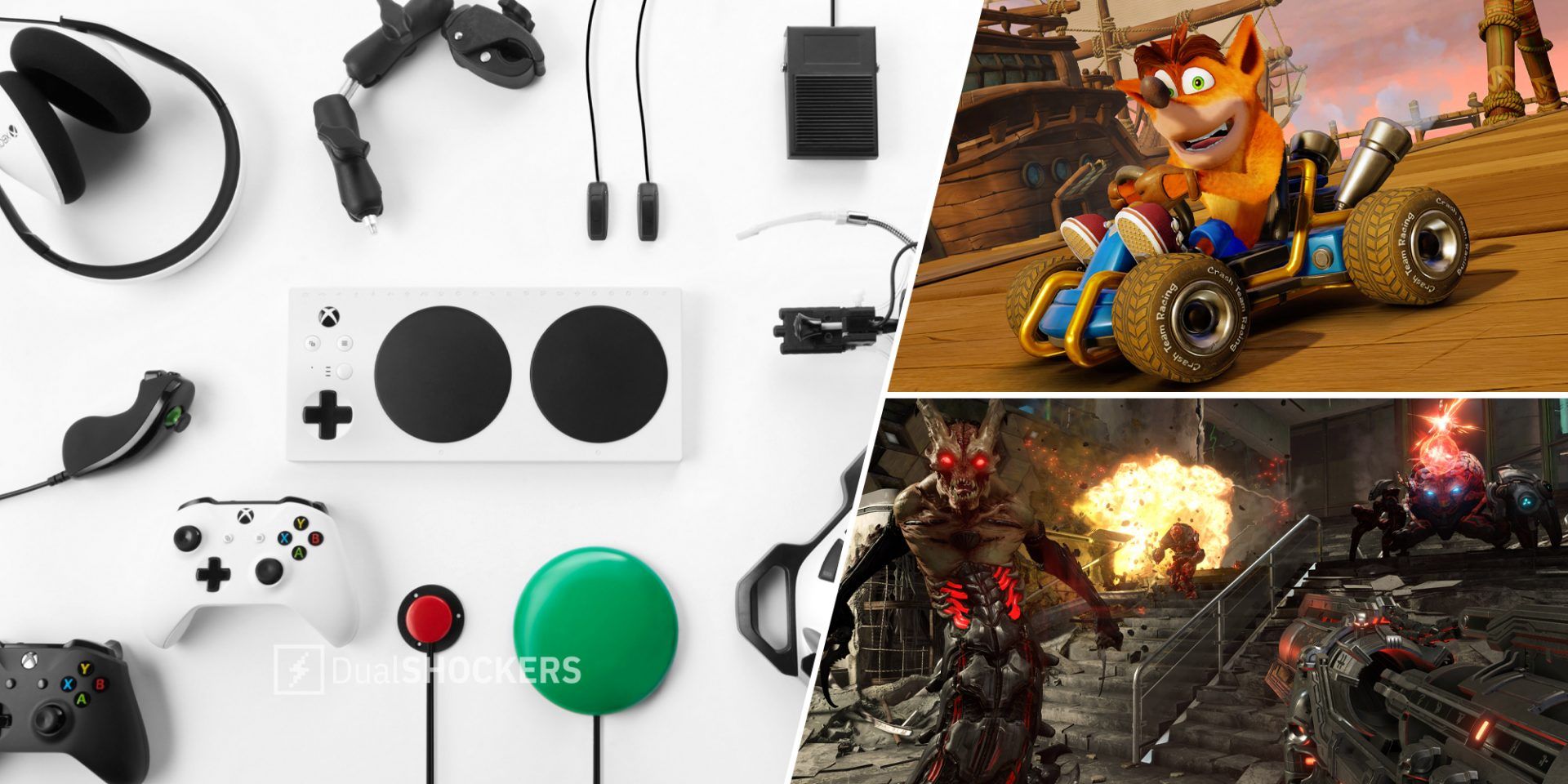
Imagine a world where everyone can experience the joy of gaming, regardless of physical limitations. It's closer than you think! We're diving into the world of accessible gaming controls, opening up new possibilities for players with motor disabilities.
For many individuals with physical challenges, standard gaming controllers present significant hurdles. The intricate button layouts, the need for precise movements, and the extended periods of holding controllers can all contribute to discomfort, fatigue, and even pain, effectively creating a barrier to entry into the gaming world.
This blog post is dedicated to exploring the innovative solutions that are making gaming more inclusive for people with motor disabilities. We'll cover a range of accessible controls, from adapted controllers and assistive technology to software modifications and game design considerations, showing how these advancements are empowering gamers and expanding the boundaries of what's possible.
We'll explore the diverse landscape of accessible gaming controls, including adapted controllers, alternative input devices, and software modifications that cater to a wide range of physical limitations. Discover how these tools and techniques can transform the gaming experience, providing greater comfort, control, and enjoyment. We'll touch upon related topics like assistive technology, inclusive game design, and the growing community of gamers with disabilities.
Understanding Motor Disabilities in Gaming
Motor disabilities encompass a broad spectrum of conditions that affect movement and coordination, impacting a gamer's ability to use standard controllers effectively. Personally, I've witnessed a friend, who lives with cerebral palsy, struggle with traditional gaming setups. He loves the narrative and strategic elements of games like Civilization, but manipulating the mouse and keyboard for extended periods would cause him significant pain and fatigue. This experience opened my eyes to the real challenges faced by gamers with motor impairments and fueled my interest in accessible gaming solutions.
Accessibility in gaming isn't just about adapting existing controllers. It's about rethinking the entire interface. For someone with limited hand dexterity, a standard controller might be impossible to use. Alternative input devices, like joysticks, trackballs, or even eye-tracking technology, can provide a more comfortable and effective way to interact with the game. Software modifications, such as remapping controls, adjusting sensitivity, or utilizing voice commands, can further customize the gaming experience to meet individual needs. Consider a player with muscular dystrophy; they might benefit from a controller with larger, more easily accessible buttons or a system that allows them to use voice commands for complex actions. It is also important to consider that some conditions are progressive, which means a solution that works today may not work in the future. Therefore, the goal is to provide flexible and adaptable technology that can change with the user.
What are Accessible Gaming Controls?
Accessible gaming controls are specialized input devices and software modifications designed to enable individuals with motor disabilities to play video games. These controls aim to overcome the physical limitations imposed by conditions like cerebral palsy, muscular dystrophy, spinal cord injuries, and arthritis, among others. The goal is to provide alternative ways to interact with games, making them more inclusive and enjoyable for a wider audience.
Accessible controllers often feature modifications like larger buttons, alternative button placements, customizable sensitivity settings, and the ability to remap controls. Beyond hardware, software plays a crucial role. Features like voice control, eye-tracking, and head-tracking can translate movements into in-game actions. For example, a player who cannot use their hands might use their eyes to select options in a menu, and they use voice commands to make a specific action. Furthermore, switch access technology allows users to play with only one or two buttons, giving another approach for people with mobility problems.
The History and Myths of Accessible Gaming
The history of accessible gaming is intertwined with the broader history of assistive technology. Early attempts at creating accessible controls often involved adapting existing devices. It wasn't until the rise of the internet and the growing awareness of disability rights that accessible gaming began to gain momentum.
One common myth is that accessible gaming is a niche market with limited demand. In reality, millions of people worldwide have motor disabilities that could benefit from accessible gaming solutions. Another myth is that accessible gaming is too expensive. While some specialized devices can be costly, there are also many affordable options, including open-source software and DIY modifications. There is also a misconception that accessible gaming devices are only for solo-play because many accessible controllers can be paired with traditional controllers. For instance, a gamer may use an accessible joystick to move the in-game character while a second gamer uses a standard controller to press other buttons. In addition, many developers now include accessibility features directly into their games, removing the need for specific third-party hardware.
Unveiling the Hidden Secrets of Accessible Gaming
One of the "hidden secrets" of accessible gaming is the power of community. Online forums, social media groups, and dedicated websites provide spaces for gamers with disabilities to connect, share tips, and support each other. These communities are invaluable resources for finding information, troubleshooting problems, and discovering new accessible gaming solutions.
Another hidden secret is the ongoing innovation in the field. Researchers, engineers, and developers are constantly working to create new and improved accessible gaming technologies. From advanced haptic feedback systems to AI-powered adaptive controls, the future of accessible gaming is full of exciting possibilities. For example, one interesting development involves using sensors to detect subtle muscle movements, allowing gamers to control in-game actions with minimal physical effort. Imagine a world where gamers can control their characters simply by thinking about the movements they want to make.
Recommendations for Accessible Gaming Controls
Choosing the right accessible gaming controls depends on individual needs and preferences. For gamers with limited hand dexterity, adapted controllers with larger buttons or joystick controls might be ideal. For those with more severe motor impairments, voice control or eye-tracking technology could be more suitable.
Before investing in expensive equipment, it's often helpful to experiment with different options. Many organizations and charities offer loan programs or demo units that allow gamers to try out various accessible controllers. In addition, it's important to consider the specific games you want to play. Some games are more accessible than others, and certain accessible controllers may be better suited for certain genres. For example, strategy games that prioritize point and click are easier to make accessible. Fighting games require quick input, so a different strategy may be needed.
The Role of Game Developers
Game developers play a crucial role in making gaming more accessible. By incorporating accessibility features directly into their games, they can remove the need for specialized hardware or software. This includes options like customizable controls, adjustable difficulty settings, and clear visual cues. In addition, developers can design games with accessibility in mind from the outset, ensuring that the gameplay mechanics are inherently inclusive. This may involve simplifying complex control schemes, providing alternative control methods, and offering comprehensive tutorials. Furthermore, developers can actively seek feedback from gamers with disabilities during the development process. By working collaboratively, they can create games that are both fun and accessible for everyone.
Tips for Accessible Gaming
One of the most important tips for accessible gaming is to prioritize comfort. Choose controls that are comfortable to use for extended periods and take frequent breaks to avoid fatigue. Another helpful tip is to customize your gaming setup to meet your individual needs. This may involve adjusting the height of your chair, repositioning your monitor, or using assistive devices to support your arms and wrists.
Experiment with different control schemes and settings to find what works best for you. Don't be afraid to ask for help from other gamers with disabilities or from accessibility experts. There are many online communities and resources available to provide support and guidance. Also, remember to be patient and persistent. It may take time to find the right accessible gaming setup, but the rewards are well worth the effort. This could include setting up a dedicated gaming area or simply setting a reminder to take breaks. The key is to find a system that enables you to enjoy gaming without putting unnecessary strain on your body.
Exploring Adaptive Gaming Accessories
Adaptive gaming accessories can significantly enhance the accessible gaming experience. These accessories range from simple button extensions and joystick modifications to complex head-tracking systems and personalized 3D-printed components. For gamers with limited hand strength, button extensions can make it easier to press buttons without exerting excessive force. For those with tremors, joystick modifications can provide greater stability and control. Head-tracking systems can translate head movements into in-game actions, allowing gamers to control their characters without using their hands.
The key is to find accessories that address specific physical limitations and enhance comfort and control. Many adaptive gaming accessories can be customized to meet individual needs. For example, a 3D-printed joystick attachment can be designed to fit a gamer's hand perfectly, providing a more secure and comfortable grip. This kind of customization can make a huge difference in the gaming experience, allowing gamers to play for longer periods without fatigue or discomfort. Moreover, these accessories can be relatively inexpensive, making them an accessible option for gamers on a budget.
Fun Facts About Accessible Gaming
Did you know that some video games are now being used as therapy tools for people with disabilities? Games that require problem-solving, coordination, and strategic thinking can help improve cognitive and motor skills. Another fun fact is that the gaming industry is starting to recognize the importance of accessibility and is actively working to create more inclusive games. Many major game developers now have accessibility teams dedicated to ensuring that their games are playable by everyone.
One lesser-known fact is that the first accessible gaming controller was invented in the 1980s by a disabled programmer who wanted to play video games with his friends. This invention paved the way for the development of modern accessible gaming technology. Another interesting fact is that many gamers with disabilities are highly skilled and competitive players. They often use their creativity and ingenuity to overcome physical challenges and excel at their favorite games. They create You Tube videos and Twitch streams to share tips with others, and they also take part in competitive gaming tournaments.
How to Get Started with Accessible Gaming
Getting started with accessible gaming can seem daunting, but it doesn't have to be. Start by identifying your specific needs and limitations. What physical challenges do you face when using standard gaming controllers? What types of games do you want to play?
Once you have a good understanding of your needs, research different accessible gaming options. Explore adapted controllers, alternative input devices, and software modifications. Read reviews, watch videos, and talk to other gamers with disabilities. Consider trying out different options before making a purchase. Many organizations and charities offer loan programs or demo units. Also, take advantage of the accessibility features built into many modern video games. Experiment with different control schemes, difficulty settings, and visual cues. Most importantly, be patient and persistent. It may take time to find the right accessible gaming setup, but the rewards are well worth the effort. Start with small steps, such as remapping buttons or adjusting the sensitivity of the controls, and gradually explore more advanced options as you become more comfortable.
What If Accessible Gaming Didn't Exist?
Imagine a world where accessible gaming didn't exist. Millions of people with disabilities would be excluded from a popular and engaging form of entertainment. They would miss out on the social connections, cognitive benefits, and sheer enjoyment that gaming provides.
Without accessible gaming, many people with disabilities would feel even more isolated and marginalized. They would be denied the opportunity to participate in a shared cultural experience. The lack of accessible gaming options would also stifle innovation and creativity in the technology sector. Researchers and developers would have less incentive to create new and improved assistive technologies. Fortunately, accessible gaming does exist, and it is making a real difference in the lives of millions of people. By continuing to support and promote accessible gaming, we can ensure that everyone has the opportunity to experience the joy of playing video games.
Top 5 Accessible Gaming Controllers: A Listicle
Choosing the right accessible controller can be overwhelming, so let's break down five top contenders:
- Xbox Adaptive Controller: A versatile hub for connecting various assistive devices.
- Logitech Adaptive Gaming Kit: A set of buttons and triggers that can be easily customized.
- Quad Stick FPS: A mouth-operated controller for gamers with limited or no use of their hands.
- Hori Flex Assist: An adaptable controller that can be modified to suit individual needs.
- 3d Rudder Foot Controller: Allows players to use their feet for movement in games.
These controllers offer a range of options for gamers with different types of motor disabilities. The Xbox Adaptive Controller, in particular, is a game-changer because it allows you to connect a wide variety of external devices, such as buttons, joysticks, and switches, to create a personalized gaming setup. Each controller can be used in different ways for each person depending on how their physical disabilities may change their needs. Gamers can also use software that allows them to remap keys, which can change the gaming experience. For example, if a gamer has difficulty reaching a certain button on the controller, they can reassign that button to a more accessible location.
Question and Answer
Q: What are some common motor disabilities that can impact gaming?
A: Conditions such as cerebral palsy, muscular dystrophy, spinal cord injuries, arthritis, and stroke can all affect a person's ability to use standard gaming controllers.
Q: Are accessible gaming controls expensive?
A: While some specialized devices can be costly, there are also many affordable options available, including open-source software and DIY modifications. In addition, many mainstream controllers, like the Xbox Adaptive Controller, are reasonably priced and can be customized with less expensive accessories.
Q: Where can I find more information about accessible gaming?
A: Numerous organizations and websites offer resources and support for gamers with disabilities, including Able Gamers, Special Effect, and the IGDA Game Accessibility SIG.
Q: Can game developers make their games more accessible?
A: Absolutely! By incorporating accessibility features into their games, developers can make a huge difference in the lives of gamers with disabilities. This includes options like customizable controls, adjustable difficulty settings, and clear visual cues.
Conclusion of Motor Disability Gaming: Accessible Controls for Physical Challenges
Accessible gaming controls are more than just technological advancements; they're gateways to inclusivity, empowerment, and joy. By embracing these innovations, we can create a gaming world where everyone has the opportunity to play, connect, and thrive. The future of gaming is accessible, and it's brighter than ever.
Post a Comment