Subtitles Gaming: Closed Captioning in Video Games
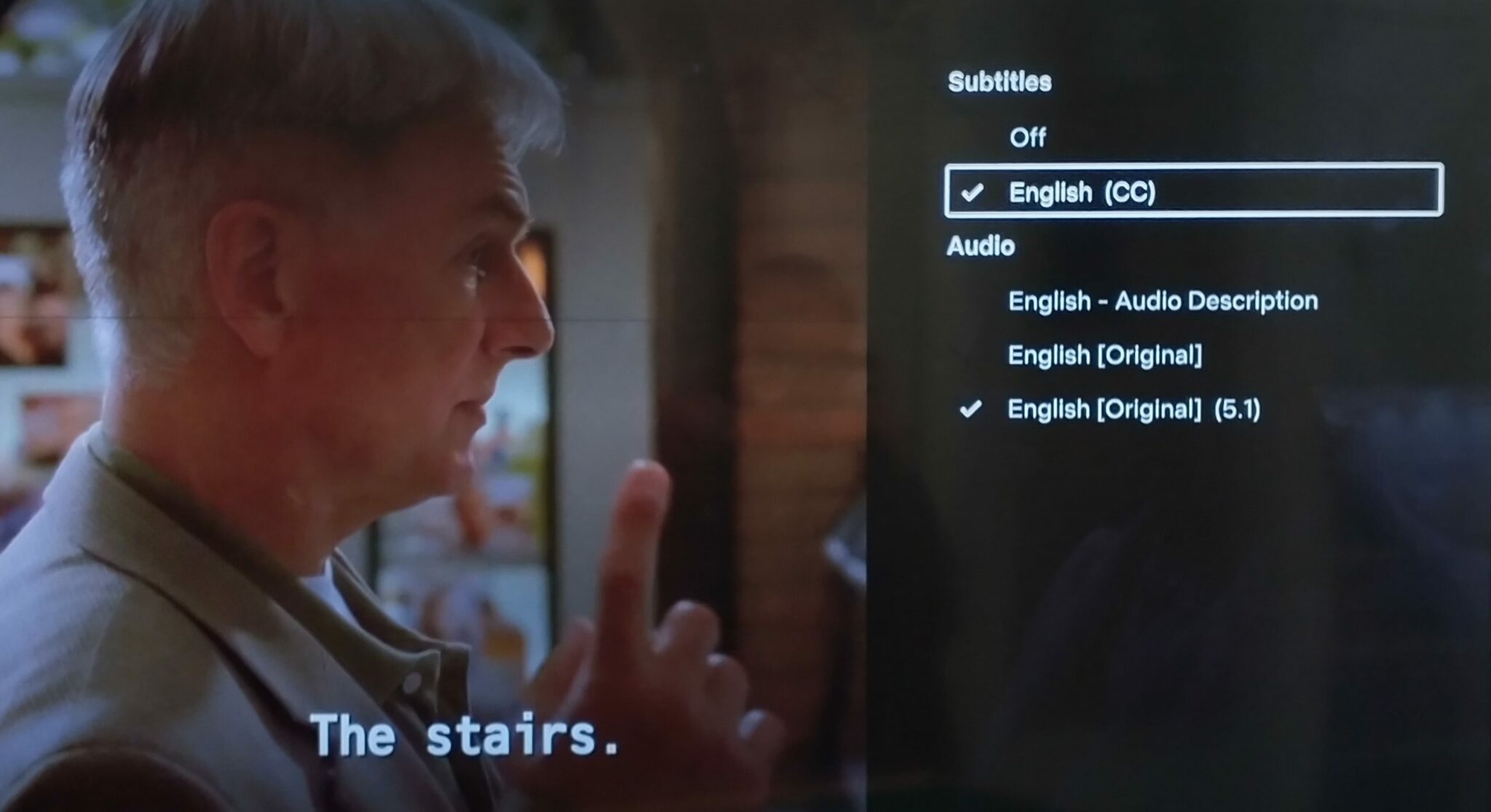
Imagine diving into the heart-pounding action of your favorite video game, completely immersed in the story and gameplay. But what if you're missing crucial dialogue, vital clues, or even the subtle atmospheric sounds that bring the world to life? For many gamers, this isn't a hypothetical – it's a reality.
Difficulty understanding spoken dialogue, missing important sound cues, or simply struggling to follow the narrative when there's a lot happening on screen are common obstacles that players face. These challenges can significantly impact enjoyment and accessibility, turning what should be a fun and engaging experience into a frustrating one. The absence of clear and comprehensive options to cater to these diverse needs prevents many people from fully experiencing and enjoying video games.
This article is dedicated to exploring the vital role of subtitles and closed captioning in video games. We'll delve into why these features are essential for accessibility, enhancing immersion, and ensuring that gaming is an inclusive and enjoyable experience for everyone.
Subtitles and closed captioning are no longer just nice-to-haves; they are critical components of modern video game design. They improve accessibility for gamers who are deaf or hard of hearing, assist players who have difficulty processing spoken language, enhance immersion for everyone, and make games more enjoyable overall. This article will cover practical tips for implementing and using these features effectively, discuss common myths and misconceptions, and explore how they contribute to a richer, more inclusive gaming landscape. Ultimately, embracing subtitles and closed captioning is about making gaming accessible and enjoyable for all.
My Personal Experience with Subtitles in Gaming
I'll never forget the first time I truly appreciated the power of subtitles in a game. I was playing a sprawling open-world RPG, and the world was incredibly detailed. However, the game's audio mixing wasn't the best. Background music often drowned out character dialogue, and I found myself constantly rewinding conversations to catch what was being said. It was incredibly frustrating, especially during critical plot points. Then, I discovered the game's subtitle options, and it was a revelation. Suddenly, I could follow every nuance of the story, appreciate the character development, and fully immerse myself in the world without missing a single beat. This experience made me realize that subtitles weren't just for accessibility; they were a vital tool for enhancing the overall gaming experience.
Subtitles and closed captions, while often used interchangeably, serve distinct but complementary purposes. Subtitles primarily focus on transcribing spoken dialogue, making it accessible to those who may not be able to hear or understand the audio. Closed captions, on the other hand, go a step further by including non-speech audio cues, such as sound effects, music descriptions, and ambient noises. This comprehensive approach ensures that players receive a complete understanding of the game's auditory environment, regardless of their hearing ability. Both features are essential for creating a truly accessible and immersive gaming experience. By providing visual representations of both speech and non-speech audio, subtitles and closed captions empower players to fully engage with the game's narrative, atmosphere, and gameplay mechanics.
Moreover, the benefits of subtitles and closed captions extend beyond accessibility. They can also enhance immersion for all players, regardless of their hearing ability. For instance, in games with complex storylines or intricate dialogue, subtitles can help players keep track of important details and nuances that they might otherwise miss. Similarly, closed captions can provide valuable context for sound cues, such as footsteps or distant explosions, which can enhance the player's awareness of their surroundings and contribute to a more immersive experience. By providing additional layers of information, subtitles and closed captions can enrich the gaming experience for all players, making it more engaging, accessible, and enjoyable.
What Are Subtitles and Closed Captioning?
Simply put, subtitles are text versions of the dialogue spoken by characters in a video game. Closed captions, on the other hand, go a step further. They not only include the spoken dialogue but also descriptions of other important audio cues like sound effects, music, and ambient noises. Think of it this way: subtitles tell youwhatis being said, while closed captions tell youwhatis being heard.
The importance of differentiating between the two lies in the level of accessibility they provide. Subtitles are great for understanding the narrative through dialogue, but someone who is deaf or hard of hearing needs the extra information provided by closed captions to fully experience the game. The rumbling of an earthquake, the creaking of floorboards, the ominous music swelling in the background - these are all crucial elements of the game's design, and closed captions ensure that no one misses out. Furthermore, closed captions can indicate who is speaking even when it is not visually apparent in the game. Features like speaker identification become essential in complex scenes with multiple characters talking over each other, or in games where characters are hidden or off-screen.
Consider a survival horror game where the sound design is integral to creating tension. Subtitles would allow you to understand what the characters are saying, but closed captions would also tell you about the scraping noises in the attic, the distant growls getting closer, and the sudden silence that precedes a jump scare. This level of detail can significantly enhance the player's engagement and fear factor, making the game more enjoyable and accessible to a wider audience. Implementing robust closed captioning options demonstrates a commitment to inclusivity and allows developers to craft truly immersive experiences for all players.
The History and Myth of Subtitles in Gaming
The use of subtitles in video games wasn't always a standard practice. Early games often relied on simple text boxes to convey dialogue, largely due to technological limitations. As technology advanced, so did the sophistication of in-game storytelling, leading to the gradual adoption of subtitles. Early subtitles were often basic, lacking customization options and sometimes even containing errors. However, the push for accessibility and a growing awareness of the needs of diverse players has driven significant improvements in recent years.
One common myth is that subtitles are only for deaf or hard-of-hearing gamers. While they are undoubtedly essential for this audience, the benefits extend far beyond. Many players use subtitles to better understand dialogue in noisy environments, when playing games with heavy accents or unfamiliar vocabulary, or simply to keep up with fast-paced conversations. Subtitles can also be a valuable learning tool for players who are learning a new language, allowing them to improve their reading comprehension and vocabulary while enjoying their favorite games. Another myth is that subtitles detract from the immersive experience. However, many players find that subtitles actually enhance immersion by allowing them to fully focus on the narrative without straining to hear or understand the dialogue.
The evolution of subtitles in gaming reflects a broader trend towards inclusivity and accessibility in the industry. As game developers become more aware of the diverse needs and preferences of their audience, they are increasingly incorporating features that make games more enjoyable for everyone. This includes not only subtitles and closed captions but also customizable control schemes, adjustable difficulty levels, and options for colorblindness and other visual impairments. By embracing these accessibility features, game developers can create truly inclusive experiences that can be enjoyed by players of all abilities and backgrounds. The future of gaming is one where everyone can participate and experience the joy of playing together, regardless of their individual needs or limitations.
Hidden Secrets of Effective Subtitle Design
Effective subtitle design goes beyond simply transcribing dialogue. There are several hidden secrets that can elevate subtitles from a functional element to a seamless and immersive part of the gaming experience. These include considerations like font choice, size, color, placement, and timing.
Font choice plays a crucial role in readability. A clear, sans-serif font like Arial or Helvetica is generally preferred over more decorative or stylized fonts. The size of the text should be large enough to be easily readable without being distracting. The color of the text should contrast sharply with the background to ensure optimal visibility. White or yellow text with a black outline is a common and effective choice. Placement is also important. Subtitles are typically placed at the bottom of the screen, but it's important to ensure that they don't obscure important gameplay elements or UI elements. Timing is perhaps the most critical aspect of effective subtitle design. Subtitles should appear on screen for long enough to be easily read but should disappear promptly once the dialogue is finished. Too short, and players will struggle to read them; too long, and they will become distracting.
Another hidden secret is the use of cues to indicate different speakers. This can be achieved through different text colors, speaker names before the dialogue, or subtle visual cues. This is particularly important in games with multiple characters speaking in quick succession. Furthermore, effective subtitle design also considers the context of the game. For example, in a fast-paced action game, subtitles may need to be shorter and more concise to avoid distracting the player from the action. In a more narrative-driven game, subtitles can be more detailed and descriptive. By paying attention to these hidden secrets, game developers can create subtitles that are not only functional but also enhance the overall gaming experience.
Recommendations for Optimal Subtitle Settings
Finding the perfect subtitle settings can be a game-changer. Most modern games offer a range of customization options, allowing you to tailor the experience to your specific needs and preferences. Here are some recommendations for achieving optimal subtitle settings:
Experiment with different font sizes and styles. Find a combination that is easy to read without being too distracting. Adjust the background opacity to ensure that the subtitles are visible against different backgrounds. Many games offer options to add a black background behind the subtitles, which can significantly improve readability. Consider enabling speaker names. This can be particularly helpful in games with multiple characters or when it's not immediately clear who is speaking. Adjust the subtitle timing to match your reading speed. Some games offer options to adjust the duration that subtitles remain on screen. Pay attention to the placement of the subtitles. Ensure that they are not obscuring important gameplay elements or UI elements. If you have specific visual needs, such as colorblindness, look for games that offer accessibility options to adjust the color scheme of the subtitles.
Beyond the in-game settings, there are also some practical tips that can enhance your subtitle experience. Ensure that you are playing in a well-lit environment to reduce eye strain. Take breaks regularly to avoid fatigue. If you are playing on a console, consider adjusting the TV settings to optimize the display for text readability. By experimenting with different settings and paying attention to your own preferences, you can create a subtitle experience that is both comfortable and informative. The goal is to find settings that allow you to fully immerse yourself in the game without being distracted by the subtitles themselves. Remember, the perfect subtitle settings are subjective and depend on your individual needs and preferences.
Subtitle Customization in Modern Games
Modern games are increasingly offering a wide array of subtitle customization options, reflecting a growing understanding of the diverse needs and preferences of gamers. These options go far beyond simply toggling subtitles on or off, allowing players to fine-tune the appearance and behavior of subtitles to create a personalized and comfortable experience. Customization options often include font size, font style, color, background opacity, text outline, speaker names, and subtitle placement.
The ability to adjust the font size is particularly important for players with visual impairments or those who prefer larger text for better readability. Font style options allow players to choose a font that is easy on the eyes and fits their personal preferences. Color customization enables players to select a text color that contrasts well with the background, ensuring optimal visibility. Background opacity options allow players to adjust the transparency of the background behind the subtitles, which can be helpful for reading subtitles against bright or complex backgrounds. Text outline options add a border around the text, further enhancing readability. Speaker names help players keep track of who is speaking, especially in games with multiple characters. Subtitle placement options allow players to position the subtitles on the screen in a way that is comfortable and doesn't obscure important gameplay elements.
By offering these extensive customization options, game developers are empowering players to create a subtitle experience that is tailored to their individual needs and preferences. This not only improves accessibility but also enhances the overall gaming experience by allowing players to fully focus on the narrative and gameplay without being distracted by poorly designed subtitles. The trend towards greater subtitle customization is a positive development for the gaming industry, reflecting a growing commitment to inclusivity and accessibility.
Tips for Using Subtitles Effectively
Using subtitles effectively isn't just about turning them on. It's about integrating them into your gameplay experience to enhance your understanding and immersion. Here are some tips to help you get the most out of subtitles:
Read ahead. Try to anticipate what the characters are going to say by glancing at the subtitles before they finish speaking. This can help you keep up with fast-paced conversations and avoid missing important details. Pay attention to the non-verbal cues. Subtitles often include descriptions of sound effects and other auditory cues that can provide valuable context. Use subtitles to learn new vocabulary. If you encounter unfamiliar words, take the time to look them up and expand your vocabulary. Adjust your viewing distance. If you're having trouble reading the subtitles, try moving closer to the screen or adjusting your viewing distance. Take breaks regularly. Reading subtitles for extended periods of time can be tiring, so take breaks to rest your eyes and avoid fatigue.
Experiment with different subtitle settings to find what works best for you. Don't be afraid to adjust the font size, color, or background opacity until you find a combination that is comfortable and easy to read. Consider using subtitles even if you don't need them for accessibility reasons. Subtitles can help you catch subtle nuances in the dialogue and enhance your overall understanding of the story. Be mindful of the placement of the subtitles. Ensure that they are not obscuring important gameplay elements or UI elements. By following these tips, you can use subtitles effectively to enhance your gaming experience and fully immerse yourself in the game world.
Understanding Audio Cues Through Closed Captioning
Closed captioning goes beyond transcribing spoken dialogue; it provides crucial information about the game's soundscape. This is especially important for players who are deaf or hard of hearing, as it allows them to experience the game's atmosphere and understand important gameplay cues that they would otherwise miss. Closed captions typically include descriptions of sound effects, music, and ambient noises, providing a comprehensive representation of the game's audio environment.
For example, closed captions might indicate the sound of footsteps approaching, the rustling of leaves in the wind, or the ominous music swelling in the background. These cues can provide valuable information about the player's surroundings, helping them to anticipate danger, navigate the environment, and fully immerse themselves in the game world. In addition, closed captions can also indicate the direction of sounds, which can be particularly helpful in games where spatial awareness is important. For instance, closed captions might indicate that a gunshot came from the left or that an enemy is approaching from behind. This information can be crucial for survival in action games or for solving puzzles in adventure games.
By providing detailed descriptions of audio cues, closed captioning ensures that players with hearing impairments can fully experience the game's atmosphere and gameplay. It also enhances the gaming experience for all players by providing additional information about the game's soundscape, which can be particularly helpful in noisy environments or when playing games with complex audio design. The inclusion of closed captioning is a testament to the growing commitment to accessibility in the gaming industry, ensuring that everyone can enjoy the full gaming experience, regardless of their hearing ability.
Fun Facts About Subtitles in Video Games
Did you know that the first video game to feature subtitles was likely a text-based adventure game? While not the visual subtitles we know today, these games relied on text to convey the entire experience, effectively making them entirely subtitled! Another fun fact is that some game developers actually hire specialized subtitle writers who are skilled at condensing dialogue and conveying information concisely while maintaining the tone and style of the game. These writers often work closely with the game's narrative designers to ensure that the subtitles are accurate, engaging, and accessible.
Furthermore, the process of localizing subtitles for different languages can be incredibly complex. It's not just a matter of translating the words; the subtitles must also be adapted to fit the cultural context and linguistic nuances of each region. This often requires a team of translators, editors, and cultural consultants to ensure that the subtitles are accurate, natural-sounding, and respectful of local customs. In some cases, subtitles may even need to be re-written to account for different reading speeds or screen sizes. Another interesting fact is that the use of subtitles in video games has been shown to improve literacy skills, particularly for children and language learners. By reading along with the dialogue, players can improve their vocabulary, reading comprehension, and overall language proficiency.
The popularity of subtitles in video games has also led to the development of new technologies and tools for creating and managing subtitles. These tools allow developers to easily create, edit, and localize subtitles for multiple languages, streamlining the development process and reducing the cost of localization. The future of subtitles in video games is likely to involve even more advanced technologies, such as real-time translation and voice recognition, which could further enhance the accessibility and immersion of the gaming experience. The journey of subtitles in video games is a fascinating one, from simple text boxes to sophisticated, customizable features that enhance the gaming experience for millions of players around the world.
How to Advocate for Better Subtitle Options
As gamers, we have the power to influence the industry and advocate for better subtitle options in video games. Here's how you can make a difference:
Provide feedback to developers. When you encounter a game with poor subtitle implementation, let the developers know. Many developers have forums, social media channels, and email addresses where you can provide feedback. Be specific and constructive in your criticism. Explain what you found lacking and suggest concrete improvements. Support games with good subtitle options. When you find a game that does subtitles well, praise the developers and share your positive experience with others. This will encourage other developers to follow suit. Join online communities. There are many online communities dedicated to accessibility in gaming. Join these communities to connect with other gamers, share your experiences, and learn about advocacy efforts. Sign petitions and support organizations that advocate for accessibility in gaming. There are many organizations that are working to improve accessibility in the gaming industry. Support these organizations by signing petitions, donating, or volunteering your time.
Write reviews and articles about the importance of subtitles. Share your thoughts on the importance of subtitles in gaming by writing reviews, articles, or blog posts. This will help raise awareness of the issue and encourage others to support better subtitle options. Talk to your friends and family about the importance of subtitles. Share your experiences with subtitles and explain why they are important for accessibility and immersion. This will help raise awareness of the issue and encourage others to support better subtitle options. By taking these steps, you can help create a more inclusive and accessible gaming industry for everyone.
What if Subtitles Were Mandatory in All Games?
Imagine a world where every video game, regardless of genre or platform, was required to have comprehensive subtitle options. This would have a profound impact on the accessibility and inclusivity of the gaming industry.
For deaf and hard-of-hearing gamers, mandatory subtitles would be a game-changer. They would no longer have to rely on guesswork or miss out on crucial story elements. Every game would be fully accessible, allowing them to experience the same level of immersion and enjoyment as their hearing peers. For gamers with other accessibility needs, such as those with cognitive disabilities or language barriers, mandatory subtitles could also be beneficial. Subtitles can help improve comprehension and allow players to follow the narrative more easily. Mandatory subtitles could also encourage game developers to pay more attention to the quality and design of their subtitles. This could lead to better font choices, clearer formatting, and more accurate transcriptions. It could also encourage developers to include more detailed closed captions, which provide information about sound effects and other auditory cues.
However, there could also be some potential drawbacks to mandatory subtitles. Some gamers might find them distracting or prefer to play without them. It would be important to ensure that players have the option to turn subtitles on or off, even if they are mandatory by default. There could also be some challenges in implementing mandatory subtitles in all games. Some games might have limited resources or technical constraints that make it difficult to add subtitles. It would be important to provide developers with the resources and support they need to implement subtitles effectively. Overall, the idea of mandatory subtitles in all games is an interesting one. It has the potential to significantly improve accessibility and inclusivity in the gaming industry, but it would be important to consider the potential drawbacks and challenges before implementing such a policy.
Top 5 Reasons Why Subtitles Enhance Gaming
Here's a quick listicle highlighting the key reasons why subtitles are essential for a better gaming experience:
1. Accessibility: Subtitles make games accessible to deaf and hard-of-hearing gamers, ensuring that everyone can enjoy the full gaming experience.
2. Immersion: Subtitles enhance immersion by allowing players to fully focus on the narrative and avoid missing important details.
3. Comprehension: Subtitles improve comprehension, especially in games with complex storylines or fast-paced dialogue.
4. Learning: Subtitles can be a valuable learning tool for language learners, helping them improve their vocabulary and reading comprehension.
5. Inclusivity: Subtitles promote inclusivity by making games more enjoyable for a wider range of players, regardless of their hearing ability or language proficiency.
These five reasons highlight the importance of subtitles in creating a more accessible, immersive, and enjoyable gaming experience for all. By embracing subtitles, game developers can demonstrate their commitment to inclusivity and ensure that their games are accessible to a wider audience. The benefits of subtitles extend beyond accessibility, enhancing the gaming experience for all players, regardless of their hearing ability or language proficiency. Subtitles are not just a feature; they are an essential component of modern game design, contributing to a richer, more engaging, and inclusive gaming landscape. The future of gaming is one where everyone can participate and experience the joy of playing together, and subtitles play a crucial role in making that vision a reality.
Question and Answer Section
Here are some frequently asked questions about subtitles in gaming:
Q: Why are subtitles important in video games?
A: Subtitles are crucial for accessibility, allowing deaf and hard-of-hearing gamers to enjoy the full gaming experience. They also enhance immersion, improve comprehension, and can be a valuable learning tool.
Q: What's the difference between subtitles and closed captions?
A: Subtitles primarily focus on transcribing spoken dialogue, while closed captions include descriptions of sound effects, music, and other auditory cues.
Q: How can I advocate for better subtitle options in games?
A: Provide feedback to developers, support games with good subtitle options, join online communities, and sign petitions that advocate for accessibility in gaming.
Q: What are some common subtitle customization options?
A: Common options include font size, font style, color, background opacity, text outline, speaker names, and subtitle placement.
Conclusion of Subtitles Gaming: Closed Captioning in Video Games
In conclusion, subtitles and closed captioning are vital components of modern video game design. They are essential for accessibility, enhancing immersion, and ensuring that gaming is an inclusive and enjoyable experience for everyone. By understanding the benefits of subtitles, advocating for better options, and utilizing customization features, we can create a gaming landscape that is accessible and enjoyable for all. Embracing subtitles is not just about accessibility; it's about making gaming better for everyone.
Post a Comment