Wheelchair Gaming Characters: Mobility Representation in Gaming
Have you ever paused to consider how diverse and inclusive your favorite video games truly are? While gaming worlds often transport us to fantastical realms and offer incredible adventures, the representation of different abilities, particularly mobility impairments, often lags behind. Let's explore the world of wheelchair-using characters in gaming and the importance of their inclusion.
When characters with disabilities are missing or portrayed inaccurately, it sends a subtle message. It can feel like entire groups of people are excluded from the narratives and experiences that gaming offers. Gamers may struggle to find characters they can truly identify with, leading to a sense of disconnect and underrepresentation within the gaming community.
This article explores how wheelchair-using characters are represented in video games. We'll examine examples of both positive and negative portrayals, discuss the importance of authentic representation, and consider what the gaming industry can do to create more inclusive and accessible experiences for all players.
This exploration of wheelchair-using characters highlights the vital need for greater diversity and authenticity in gaming. Improved representation can foster empathy, break down stereotypes, and create a more welcoming and inclusive environment for all gamers. The future of gaming relies on inclusivity of disability and impairment.
Personal Experiences with Wheelchair Gaming Characters
Growing up, I always loved video games. They were an escape, a chance to be someone else, to explore new worlds. But as someone who uses a wheelchair, it was rare to see characters who reflected my reality. When I did, it was often disappointing. They might be depicted as weak, helpless, or even as villains. The message was clear: people with disabilities are different, and not in a good way.
I remember one game in particular where a wheelchair-using character was only there for comic relief. Their disability was the punchline of every joke, and their only purpose was to be a source of amusement. It was disheartening to see myself, or at least a caricature of myself, reduced to a stereotype. This is the main thing to focus on when thinking about wheelchair representation in games.
However, things are slowly starting to change. Games like "Gears 5" and "Cyberpunk 2077" have included wheelchair-using characters in meaningful roles. These characters are not defined by their disability, but rather by their strength, intelligence, and resilience. They are complex individuals with their own goals and motivations.
Seeing characters like that gives me hope. It shows that the gaming industry is finally starting to recognize the importance of representation. It shows that they are starting to understand that people with disabilities are not a monolith, and that we deserve to see ourselves reflected in the games we play. This is more important than most realize.
This increased visibility matters. It's not just about feeling included; it's about challenging stereotypes and changing perceptions. When we see people with disabilities portrayed as capable and complex individuals, it helps to break down the barriers that society has erected around us. It creates a more inclusive and understanding world for everyone.
Defining Mobility Representation in Gaming
Mobility representation in gaming refers to the ways in which characters with mobility impairments, such as those who use wheelchairs, crutches, or prosthetics, are depicted in video games. It encompasses everything from their physical appearance and abilities to their roles in the story and their interactions with other characters. The goal is to give all players representation.
Authentic and positive mobility representation is crucial for creating inclusive gaming experiences. It goes beyond simply including a wheelchair-using character; it requires careful consideration of how their disability is portrayed and how it impacts their gameplay. Are they treated with respect and dignity? Are they given agency and the opportunity to be heroes? Or are they relegated to stereotypical roles that reinforce negative perceptions?
Poor mobility representation can be harmful. It can reinforce negative stereotypes, perpetuate ableism, and make gamers with disabilities feel excluded and invisible. For example, a character who is only depicted as weak or helpless can reinforce the idea that people with disabilities are incapable of leading fulfilling lives. A game that makes it difficult or impossible to navigate certain areas with a wheelchair can send the message that people with disabilities are not welcome.
Good mobility representation, on the other hand, can be incredibly empowering. It can challenge stereotypes, promote understanding, and create a sense of belonging for gamers with disabilities. When characters with mobility impairments are portrayed as strong, capable, and complex individuals, it can inspire and uplift players. It can also help to educate non-disabled players about the challenges and triumphs of living with a disability. Good mobility representation also creates more game options.
Ultimately, mobility representation in gaming is about creating a more inclusive and equitable gaming landscape for all. It's about ensuring that everyone has the opportunity to see themselves reflected in the games they play and to feel like they belong in the gaming community.
History and Myth of Wheelchair Gaming Characters
The history of wheelchair-using characters in gaming is relatively short and, until recently, often marred by problematic stereotypes and limited representation. Early appearances were often relegated to minor roles, sometimes as victims or objects of pity. This lack of nuanced portrayals contributed to a prevailing myth that people with disabilities are inherently less capable or interesting than their non-disabled counterparts.
One common myth is that including wheelchair-using characters is too difficult or unrealistic. Game developers have often cited technical challenges related to character movement, animation, and level design as reasons for excluding or limiting the roles of such characters. However, advancements in game development technology and a growing awareness of accessibility needs have debunked this myth. Many games have successfully integrated wheelchair-using characters without sacrificing gameplay or realism. The myth of difficulty is harmful to those with impairments.
Another myth is that gamers are not interested in playing as or interacting with characters with disabilities. This assumption is based on a lack of understanding and empathy. In reality, many gamers are eager to see more diverse and inclusive representation in games. They appreciate the opportunity to learn about different perspectives and to connect with characters who reflect the diversity of the real world.
Despite the persistence of these myths, there have been some positive developments in recent years. Games like "Gears 5" and "Cyberpunk 2077" have featured wheelchair-using characters in prominent roles, challenging stereotypes and demonstrating the potential for meaningful representation. These examples show that it is possible to create compelling and engaging characters with disabilities who resonate with gamers of all backgrounds.
As the gaming industry continues to evolve, it is crucial to actively challenge these myths and promote accurate and nuanced portrayals of wheelchair-using characters. By doing so, we can create a more inclusive and welcoming gaming community for all.
Hidden Secrets of Wheelchair Gaming Characters
One of the hidden secrets of wheelchair gaming characters is their potential to offer unique gameplay mechanics and perspectives. Instead of simply replicating the abilities of non-disabled characters, developers can leverage the wheelchair as a source of innovation and creativity. For example, a wheelchair-using character might be able to navigate tight spaces or access areas that are inaccessible to other characters.
Another hidden secret is the power of representation to challenge ableist assumptions and promote empathy. When games accurately and respectfully portray the experiences of wheelchair-using characters, they can help to break down stereotypes and increase understanding of disability. This can have a positive impact on players both within and outside of the game world.
Furthermore, wheelchair-using characters can serve as powerful symbols of resilience and determination. By overcoming challenges and achieving their goals, they can inspire players to overcome their own obstacles and to pursue their dreams. Their stories can be a source of hope and encouragement for people of all abilities.
The hidden secrets of wheelchair gaming characters are not just about their physical abilities or disabilities; they are about their potential to enrich the gaming experience for everyone. By embracing diversity and inclusivity, the gaming industry can unlock new possibilities for storytelling, gameplay, and social impact.
Moreover, well-developed wheelchair-using characters can offer nuanced perspectives on the world, highlighting accessibility issues and societal barriers that many non-disabled players may not be aware of. This can foster a deeper understanding of the challenges faced by people with disabilities and inspire positive change.
Recommendations for Wheelchair Gaming Characters
My top recommendation for incorporating wheelchair-using characters into games is to consult with disability experts and gamers with disabilities throughout the development process. Their insights and perspectives can help to ensure that the character is portrayed accurately and respectfully. This also helps avoid mistakes.
Another recommendation is to avoid relying on stereotypes. Research different types of mobility impairments and create characters with diverse personalities, backgrounds, and motivations. Don't let their disability define them; instead, focus on their individual strengths and weaknesses.
It's also important to consider the accessibility of the game itself. Ensure that the game can be played comfortably and effectively by gamers with disabilities. This may involve providing customizable controls, adjustable difficulty settings, and alternative input methods.
Finally, don't be afraid to experiment with new gameplay mechanics that are specific to wheelchair-using characters. This can add depth and complexity to the game and make the character feel unique and engaging. Consider how the wheelchair can be used as a tool or weapon, or how it can affect the character's movement and interactions with the environment.
By following these recommendations, game developers can create meaningful and impactful portrayals of wheelchair-using characters that enhance the gaming experience for everyone.
The Importance of Authentic Representation
Authentic representation goes beyond simply including a wheelchair-using character in a game. It requires a deep understanding of the lived experiences of people with disabilities and a commitment to portraying those experiences accurately and respectfully. This means avoiding harmful stereotypes, consulting with disability experts, and giving characters agency and complexity.
When wheelchair-using characters are portrayed authentically, it can have a powerful impact on players. It can challenge ableist assumptions, promote empathy, and create a sense of belonging for gamers with disabilities. It can also help to educate non-disabled players about the challenges and triumphs of living with a disability.
Authentic representation is not just about being politically correct; it's about creating richer and more engaging stories. By giving wheelchair-using characters their own unique perspectives and motivations, developers can add depth and complexity to their games. This can make the characters more relatable and memorable for players of all backgrounds.
Ultimately, authentic representation is about treating wheelchair-using characters with the same respect and dignity as any other character. It's about recognizing their humanity and celebrating their diversity. By doing so, we can create a more inclusive and equitable gaming landscape for all.
Furthermore, accurately depicting the challenges and adaptations involved in daily life can provide valuable insights and promote understanding among players who may not have personal experience with disability.
Tips for Wheelchair Gaming Characters
One of the most important tips for creating compelling wheelchair gaming characters is to focus on their personality and backstory first. What are their goals, dreams, and fears? What are their relationships with other characters? By developing a well-rounded character, you can avoid reducing them to their disability.
Another tip is to research different types of mobility impairments. Not all wheelchair users have the same experiences or abilities. Some may have upper body strength, while others may have limited mobility in their arms. By understanding the nuances of different disabilities, you can create a more realistic and believable character.
It's also important to consider the practical implications of using a wheelchair in the game world. How does the character navigate different environments? What are the challenges they face? How do they overcome those challenges? By addressing these questions, you can add depth and realism to the character's portrayal.
Finally, don't be afraid to challenge stereotypes. Wheelchair-using characters can be strong, independent, and capable individuals. They can be heroes, villains, or anything in between. By subverting expectations, you can create a more memorable and impactful character.
Remember to allow for customization options that reflect different types of wheelchairs and assistive technologies. This can help players feel more connected to the character and create a more personalized gaming experience.
Accessibility Considerations in Game Design
Accessibility considerations are crucial when designing games that feature wheelchair-using characters. This includes ensuring that the game can be played comfortably and effectively by gamers with disabilities. Customizable controls are key. Allowing players to remap buttons and adjust sensitivity settings can make a big difference.
Adjustable difficulty settings can also be helpful. Some players may prefer a more challenging experience, while others may need a more forgiving one. By providing a range of difficulty options, you can cater to a wider audience.
Alternative input methods are another important consideration. Some gamers may not be able to use a traditional mouse and keyboard or gamepad. Providing support for alternative input devices, such as eye trackers or switch controllers, can make the game more accessible.
In addition to these technical considerations, it's also important to think about the game's design from an accessibility perspective. Are there any areas that are difficult or impossible to navigate in a wheelchair? Are there any obstacles that are particularly challenging to overcome? By addressing these issues, you can create a more inclusive and enjoyable gaming experience for all.
Consider providing visual cues and audio descriptions to aid players with visual or auditory impairments. Clear and concise instructions can also be beneficial for players with cognitive disabilities.
Fun Facts of Wheelchair Gaming Characters
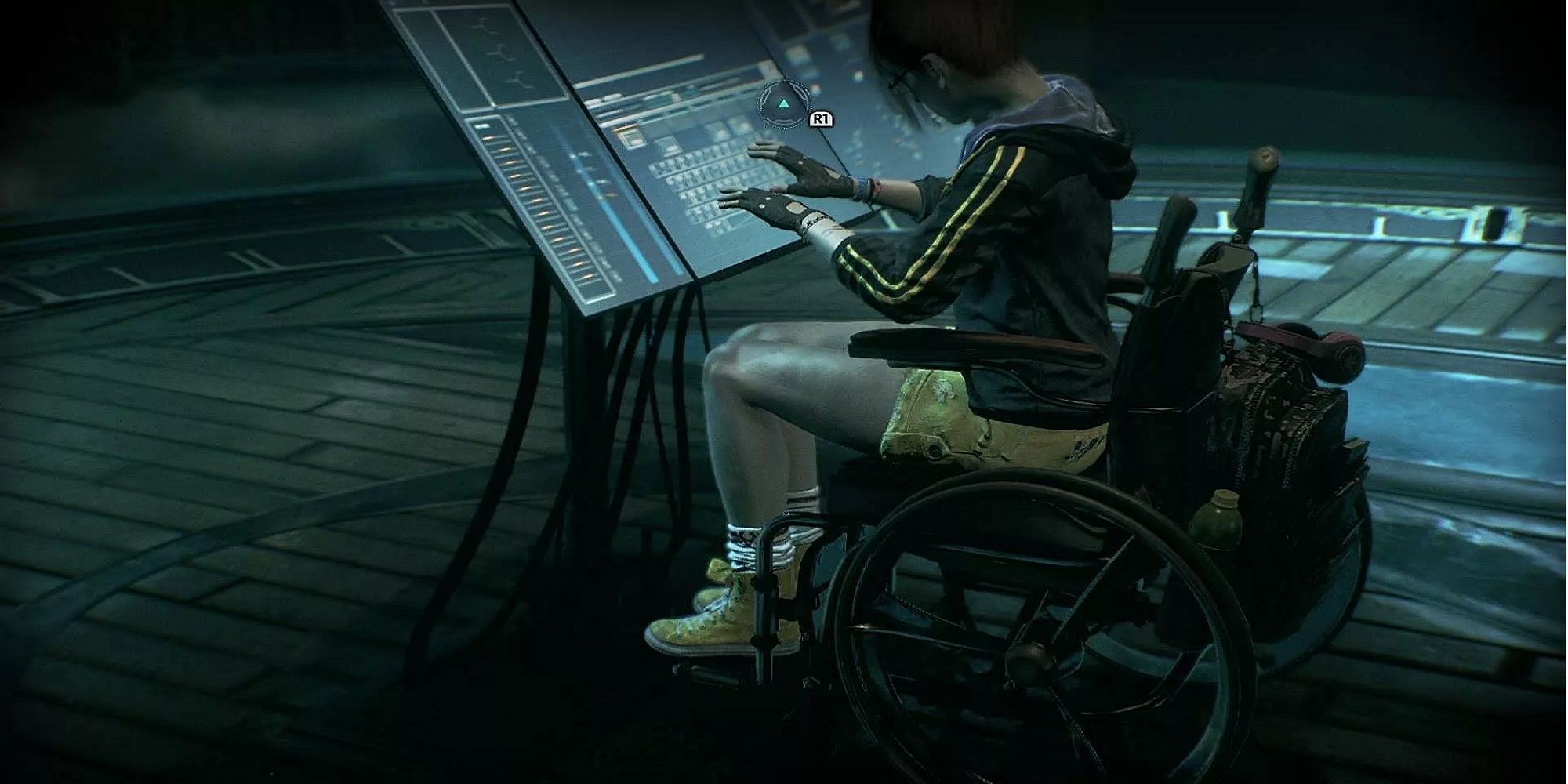
Did you know that the first wheelchair-using character in a major video game was Barbara Gordon (Oracle) in the "Batman: Arkham" series? While her mobility impairment wasn't always the focus, her intelligence and strategic skills were central to the storyline.
Another fun fact is that some games have incorporated wheelchair-specific abilities, such as using the wheelchair to perform stunts or to navigate difficult terrain. This can add a unique and engaging element to the gameplay experience.
It's also interesting to note that the representation of wheelchair-using characters has evolved over time. Early portrayals were often stereotypical and one-dimensional, while more recent portrayals have been more nuanced and complex.
Finally, it's worth mentioning that many gamers with disabilities have played a role in advocating for better representation in games. Their feedback and insights have helped to shape the industry and to create more inclusive gaming experiences. They continue to shape the industry.
Some developers have even consulted with disability advocacy groups to ensure authentic and respectful portrayals. This collaborative approach can lead to more meaningful and impactful representation.
How to Create Wheelchair Gaming Characters
Creating wheelchair gaming characters requires a thoughtful and deliberate approach. Start by researching different types of mobility impairments and understanding the challenges and triumphs of living with a disability. This will help you to create a more realistic and believable character.
Next, develop a detailed backstory and personality for your character. What are their motivations, goals, and fears? What are their relationships with other characters? By focusing on their individuality, you can avoid reducing them to their disability.
Consider the practical implications of using a wheelchair in the game world. How does the character navigate different environments? What are the obstacles they face? How do they overcome those obstacles? By addressing these questions, you can add depth and realism to the character's portrayal.
Finally, don't be afraid to challenge stereotypes. Wheelchair-using characters can be strong, independent, and capable individuals. They can be heroes, villains, or anything in between. By subverting expectations, you can create a more memorable and impactful character.
Remember to prioritize accessibility in your game design. Customizable controls, adjustable difficulty settings, and alternative input methods can make your game more inclusive for all players.
What if Games Omitted Wheelchair Gaming Characters
If games consistently omitted wheelchair-using characters, it would reinforce the harmful idea that people with disabilities are not worthy of representation or that their stories are not worth telling. It would perpetuate ableism and make gamers with disabilities feel excluded and invisible.
It would also limit the diversity and creativity of the gaming industry. By excluding wheelchair-using characters, developers would miss out on the opportunity to create unique and engaging stories that challenge stereotypes and promote understanding. Their omission is harmful for the industry.
Furthermore, it would send a negative message to society as a whole. Games have the power to shape perceptions and attitudes. By consistently omitting wheelchair-using characters, they would reinforce the idea that people with disabilities are not fully human or that they are somehow less valuable than their non-disabled counterparts.
In short, omitting wheelchair-using characters from games would have a negative impact on both the gaming community and society as a whole. It's important to strive for greater inclusivity and representation in all forms of media.
The absence of diverse characters can lead to a narrow and homogenous gaming landscape, failing to reflect the rich tapestry of human experience.
Listicle of Wheelchair Gaming Characters
1. Barbara Gordon (Oracle) - The "Batman: Arkham" series features Barbara Gordon, who uses a wheelchair after being paralyzed. She serves as a vital source of information and support for Batman.
2. Anya Stroud - In "Gears 5," Anya Stroud's mother, Hana Cole, uses a wheelchair. While not a playable character, her presence is a positive step towards representation.
3. Cyberpunk 2077 - This game allows players to customize their character, including the option to use a wheelchair. This level of customization is a significant step forward in inclusivity.
4. Unnamed Characters in "The Last of Us Part II" - While not central characters, there are instances of survivors using wheelchairs, reflecting the realities of a post-apocalyptic world.
5. Various Indie Games - Many indie games are pushing boundaries with diverse character representation. These titles often feature wheelchair-using characters in leading roles, exploring unique stories and perspectives.
These examples, though limited, demonstrate a growing awareness of the need for more inclusive representation in gaming. As the industry evolves, we can expect to see more diverse and nuanced portrayals of wheelchair-using characters.
Question and Answer Section
Q: Why is wheelchair representation important in gaming?
A: Wheelchair representation in gaming matters because it promotes inclusivity, challenges stereotypes, and allows gamers with disabilities to see themselves reflected in the games they play. It also helps to educate non-disabled players about the experiences of people with disabilities.
Q: What are some common stereotypes to avoid when creating wheelchair-using characters?
A: Avoid portraying wheelchair-using characters as weak, helpless, or objects of pity. Also, avoid making their disability the defining characteristic of their personality. Instead, focus on their strengths, skills, and individual traits.
Q: How can game developers ensure authentic representation of wheelchair-using characters?
A: Game developers can consult with disability experts and gamers with disabilities throughout the development process. They can also research different types of mobility impairments and avoid relying on stereotypes. Prioritizing accessibility and allowing for character customization are also important steps.
Q: What are some examples of positive wheelchair representation in gaming?
A: Some examples of positive wheelchair representation include Barbara Gordon (Oracle) in the "Batman: Arkham" series and the customizable character options in "Cyberpunk 2077." These examples showcase characters who are not defined by their disability and who play meaningful roles in the game world.
Conclusion of Wheelchair Gaming Characters
The inclusion of wheelchair-using characters in video games is not just a matter of political correctness; it's a matter of creating a more inclusive and equitable gaming landscape for all. By challenging stereotypes, promoting empathy, and prioritizing accessibility, the gaming industry can create richer and more engaging stories that resonate with players of all backgrounds. While progress has been made, there is still much work to be done. By continuing to advocate for better representation and to support games that embrace diversity, we can help to create a gaming community that is welcoming and inclusive for everyone.
Post a Comment