Disability Gaming Economy: Economic Impact of Accessible Gaming
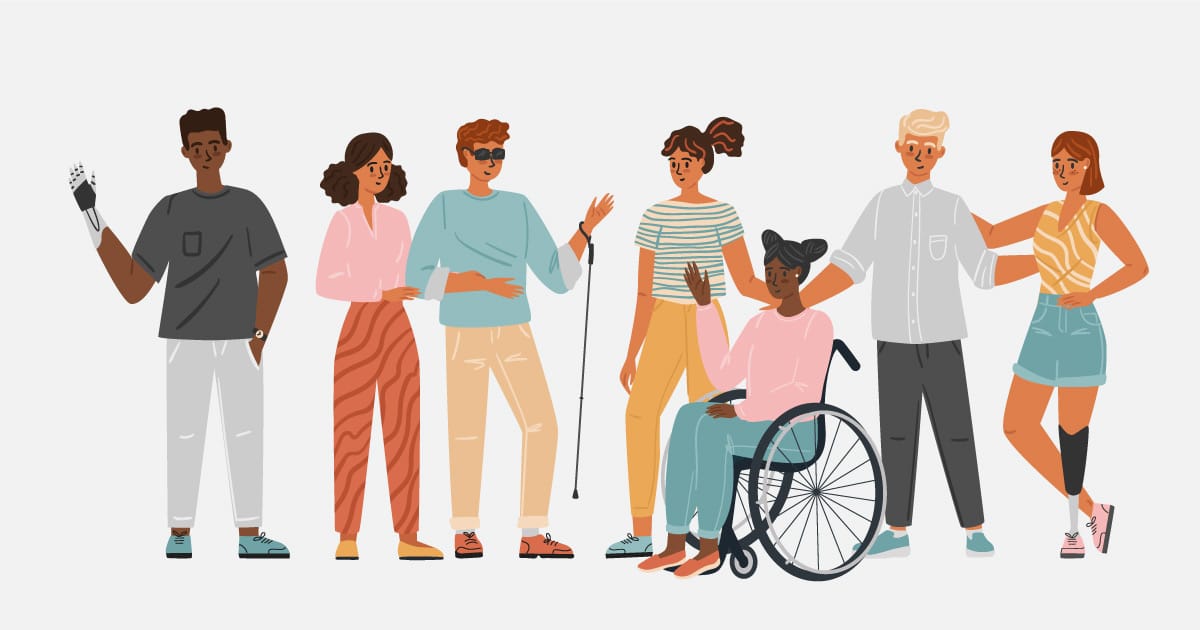
Imagine a world where everyone can play. Not just in theory, but in reality. A world where digital entertainment is truly inclusive, unlocking potential and fostering economic growth for a community often overlooked. This isn't just about being nice; it's about smart business and recognizing untapped potential.
For many, the gaming world remains a frustrating maze of inaccessible controls, visuals, and audio cues. This exclusion limits not only their enjoyment but also their opportunity to participate in a thriving digital economy. Think about the games they can't play, the esports tournaments they can't join, the streaming careers they can't pursue, and the jobs in game development they are locked out of. These are real people with talent and passion, ready to contribute if only the barriers were lowered.
This article explores the economic impact of accessible gaming. We'll dive into how creating inclusive gaming experiences can unlock a massive, underserved market, driving innovation, generating revenue, and creating jobs. It's time to recognize the disability gaming economy as a powerful force for good, both socially and financially.
We will be exploring how accessibility in gaming isn't just about inclusivity – it's a significant economic opportunity. By removing barriers and embracing inclusive design, we can tap into a vast, underserved market of disabled gamers, their families, and allies. This translates to increased revenue for game developers and publishers, a surge in related industries like assistive technology and specialized peripherals, and a more diverse and vibrant gaming community overall. Investing in accessibility is not just the right thing to do; it's a smart business decision that benefits everyone.
The Untapped Market Potential
The potential of the disability gaming market is truly vast. I remember speaking with a young man named Alex at a gaming convention a few years ago. Alex has cerebral palsy and uses adaptive controllers to play. He told me how frustrating it was to see games he desperately wanted to play, but simply couldn't due to inaccessible control schemes. He wasn't asking for special treatment; he just wanted a fair chance to enjoy the same games as his friends. This conversation really opened my eyes to the sheer number of gamers who are currently being excluded from the industry due to lack of accessibility.
The disability gaming community is not a niche market. It's a substantial and growing segment of the population that is eager to engage with digital entertainment. By investing in accessibility features, developers can tap into this massive market and generate significant revenue. The economic impact is not limited to game sales alone. A more accessible gaming ecosystem will lead to the creation of new jobs in areas like accessibility consulting, adaptive technology development, and inclusive game design. The impact extends to the used game sales market, rentals, and subscriptions as well, since there would be many more titles for gamers with disabilities to choose.
It's a win-win situation for everyone. Gamers with disabilities gain access to a wider range of gaming experiences, while developers and publishers reap the financial rewards of a larger and more engaged audience. In addition, this also benefits the families and friends of people with disabilities, as gaming becomes a more inclusive social activity.
Defining the Disability Gaming Economy
The disability gaming economy encompasses all economic activities related to gaming for people with disabilities. This includes, but is not limited to, the sale of accessible games, the development and sale of assistive technology and adaptive peripherals, the creation of accessible gaming events and tournaments, and the provision of accessibility consulting services to game developers.
It's a multifaceted and interconnected ecosystem that has the potential to generate significant economic value. Imagine the impact of even a small increase in the number of disabled gamers participating in esports or streaming. This would create new opportunities for sponsorships, advertising, and content creation, further fueling the growth of the disability gaming economy. The rise of cloud gaming has further potential to increase accessibility and provide greater opportunities.
The disability gaming economy is not just about making games accessible, it is about building an entire industry around inclusive gaming. This requires a collaborative effort from game developers, assistive technology companies, accessibility consultants, and the disability community itself. By working together, we can create a more accessible and equitable gaming ecosystem that benefits everyone.
History and Myths of Accessible Gaming
The history of accessible gaming is longer than many realize. Early attempts at adaptive controllers and modified game consoles date back decades, often driven by individual ingenuity and a passion for gaming. However, these efforts were often isolated and lacked the widespread support and investment needed to truly impact the industry. One myth is that accessibility is too expensive, or that it is too difficult to implement. These claims are often based on a lack of understanding of accessible game design principles and the availability of accessible game engines and middleware.
Another common myth is that accessibility is only for a small niche market. As previously discussed, the disabled gaming community is much larger and more diverse than many realize. Moreover, accessibility features often benefit all gamers, not just those with disabilities. For example, customizable controls and subtitles can improve the gaming experience for anyone. As more companies realize this, they’ll put more resources into accessibility and make it a standard part of development.
We need to dispel these myths and promote a more accurate understanding of the economic and social value of accessible gaming. The time for accessible gaming is now.
Unveiling the Hidden Secrets of Accessibility
One of the biggest secrets of accessible gaming is that it's not just about adding features after a game is already developed. The true magic happens when accessibility is baked into the game design process from the very beginning. This requires a shift in mindset, where developers consider the needs of all players, regardless of their abilities. Another secret is that accessibility doesn't have to be complicated or expensive. Simple design choices, such as customizable controls, clear visual cues, and adjustable difficulty levels, can make a huge difference in the accessibility of a game.
Many game developers are afraid of the potential negative impact to their development process if they focus on accessibility. Many believe this will increase the time and the cost, which is not always the case. By including accessibility in the beginning, this can be alleviated.
The biggest secret of all is that accessible gaming is good for everyone. It creates a more inclusive and welcoming gaming community, which benefits not only disabled gamers, but all players. It also leads to more innovative and creative game design, as developers are challenged to think outside the box and find new ways to engage players. It can be a win-win for everybody.
Recommendations for the Future of Accessible Gaming
The future of accessible gaming is bright, but it requires a concerted effort from all stakeholders. Game developers need to prioritize accessibility in their design process and invest in accessibility testing and consulting. Assistive technology companies need to continue innovating and developing new adaptive peripherals and software solutions. Accessibility consultants need to work with game developers and publishers to ensure that their games are accessible to the widest possible audience.
There should also be more collaboration between these groups, because they each have their own roles to play. Governments can also play a role by providing funding for accessibility research and development, and by enacting legislation that mandates accessibility in gaming. The disability community should continue to advocate for accessible gaming and to provide feedback to game developers and publishers.
By working together, we can create a future where everyone can play.
The Role of Assistive Technology
Assistive technology plays a critical role in bridging the gap between gamers with disabilities and the digital world. Adaptive controllers, eye-tracking devices, and voice-activated software are just a few examples of the innovative technologies that are empowering disabled gamers to participate in the gaming ecosystem. These technologies are constantly evolving, becoming more affordable, more user-friendly, and more integrated with mainstream gaming platforms.
The economic impact of assistive technology in gaming is significant. It creates a market for specialized hardware and software, driving innovation and generating revenue for assistive technology companies. It also creates new job opportunities in areas like assistive technology development, sales, and support. Another area is cloud gaming, which is on the rise. By utilizing cloud gaming, users will have the ability to play many games on many devices.
The future of assistive technology in gaming is full of potential. As technology continues to advance, we can expect to see even more innovative and accessible gaming solutions emerge. By supporting the development and adoption of assistive technology, we can empower disabled gamers to reach their full potential and to participate fully in the gaming economy.
Tips for Game Developers to Enhance Accessibility
Game developers can take several steps to enhance accessibility in their games. First and foremost, they should involve disabled gamers in the game design process from the very beginning. This will help them to identify potential accessibility barriers and to develop solutions that meet the needs of all players. Implementing customizable controls is also extremely important, allowing players to remap buttons, adjust sensitivity, and use adaptive controllers.
Providing clear visual cues and adjustable font sizes can improve the gaming experience for players with visual impairments. Subtitles and audio descriptions can make games more accessible to players with hearing impairments. Also, consider adjustable difficulty levels so that gamers can experience the content without having to get frustrated.
By implementing these and other accessibility features, game developers can create more inclusive and engaging gaming experiences for all players, and also reap the economic benefits of a larger and more diverse audience.
The Importance of Inclusive Game Design
Inclusive game design is not just about adding accessibility features after a game is already developed. It's about creating a game that is inherently accessible to all players, regardless of their abilities. This requires a shift in mindset, where developers consider the needs of all players from the very beginning.
Inclusive game design can lead to more innovative and creative game design. By challenging developers to think outside the box and to find new ways to engage players, it can result in games that are more fun and engaging for everyone. Some game developers will use user-generated content to let players help with inclusive design and content.
Inclusive game design is not just the right thing to do; it's also good for business. By creating more accessible games, developers can tap into a larger and more diverse audience, generating more revenue and building a stronger brand.
Fun Facts About Accessible Gaming
Did you know that the Xbox Adaptive Controller was developed in collaboration with disabled gamers? This innovative controller is designed to be highly customizable and adaptable to a wide range of physical needs. Another fun fact is that many accessibility features in games, such as subtitles and customizable controls, are used by gamers without disabilities as well. For example, subtitles can be helpful for playing games in noisy environments, and customizable controls can allow players to optimize their gaming experience.
There are many organizations dedicated to promoting accessible gaming, such as Able Gamers and Special Effect. These organizations provide resources and support to disabled gamers and work with game developers to improve accessibility in games. There are also many disabled gamers who are successful streamers and esports players, showcasing their skills and inspiring others.
Accessible gaming is not just about making games more accessible; it's about creating a more inclusive and welcoming gaming community for everyone.
How to Support the Disability Gaming Economy
There are many ways to support the disability gaming economy. You can support by purchasing accessible games and assistive technology. You can also support by advocating for accessibility in gaming and by providing feedback to game developers and publishers. You can also support by donating to organizations that promote accessible gaming, such as Able Gamers and Special Effect.
By showing your support for accessible gaming, you can help to create a more inclusive and equitable gaming ecosystem for everyone. You can also support it by creating an open dialogue about gaming so that more people will see that gaming is for everyone. Gaming communities can bring many people together, and it would benefit from being open to everybody.
Every little bit helps! By showing your support, you’re helping the movement to make gaming accessible to everyone.
What if All Games Were Accessible?
Imagine a world where all games were accessible. What would the economic impact be? First and foremost, it would unlock a massive, underserved market of disabled gamers, their families, and allies. This would lead to a significant increase in revenue for game developers and publishers. It would also create new job opportunities in areas like accessibility consulting, adaptive technology development, and inclusive game design.
The gaming community would become more diverse and inclusive, as disabled gamers would be able to participate fully in all aspects of the gaming ecosystem. This would lead to a more vibrant and creative gaming culture. There would be many more streamers and esports players with disabilities to entertain, inspire, and even mentor.
The potential benefits of a fully accessible gaming world are enormous. By working together, we can make this vision a reality.
Listicle: Top 5 Ways Accessible Gaming Benefits Everyone
1. Unlocks a Massive, Underserved Market: Accessible gaming opens up the gaming world to millions of disabled gamers, their families, and allies.
- Drives Innovation and Creativity: Designing for accessibility forces developers to think outside the box and create more innovative and engaging games.
- Creates New Job Opportunities: The disability gaming economy creates jobs in areas like accessibility consulting, adaptive technology development, and inclusive game design.
- Fosters a More Inclusive Gaming Community: Accessible gaming promotes diversity and inclusion in the gaming community, making it a more welcoming place for everyone.
- Improves the Gaming Experience for All: Many accessibility features, such as customizable controls and subtitles, benefit all gamers, not just those with disabilities.
Question and Answer
Q: What is the disability gaming economy?
A: The disability gaming economy encompasses all economic activities related to gaming for people with disabilities, including the sale of accessible games, assistive technology, and accessibility consulting services.
Q: Why is accessible gaming important?
A: Accessible gaming is important because it allows disabled gamers to participate fully in the gaming ecosystem, fostering inclusion, driving innovation, and generating economic growth.
Q: What can game developers do to enhance accessibility?
A: Game developers can enhance accessibility by involving disabled gamers in the design process, implementing customizable controls, providing clear visual cues, and offering subtitles and audio descriptions.
Q: How can I support the disability gaming economy?
A: You can support the disability gaming economy by purchasing accessible games and assistive technology, advocating for accessibility in gaming, and donating to organizations that promote accessible gaming.
Conclusion of Disability Gaming Economy: Economic Impact of Accessible Gaming
The economic impact of accessible gaming is undeniable. By embracing inclusive design and removing barriers to entry, we can unlock a vast, underserved market, drive innovation, create jobs, and foster a more inclusive and vibrant gaming community. Investing in accessibility is not just the right thing to do; it's a smart business decision that benefits everyone. Let's work together to create a future where everyone can play.
Post a Comment