Inclusive Gaming Content: Creating Accessible Gaming Media
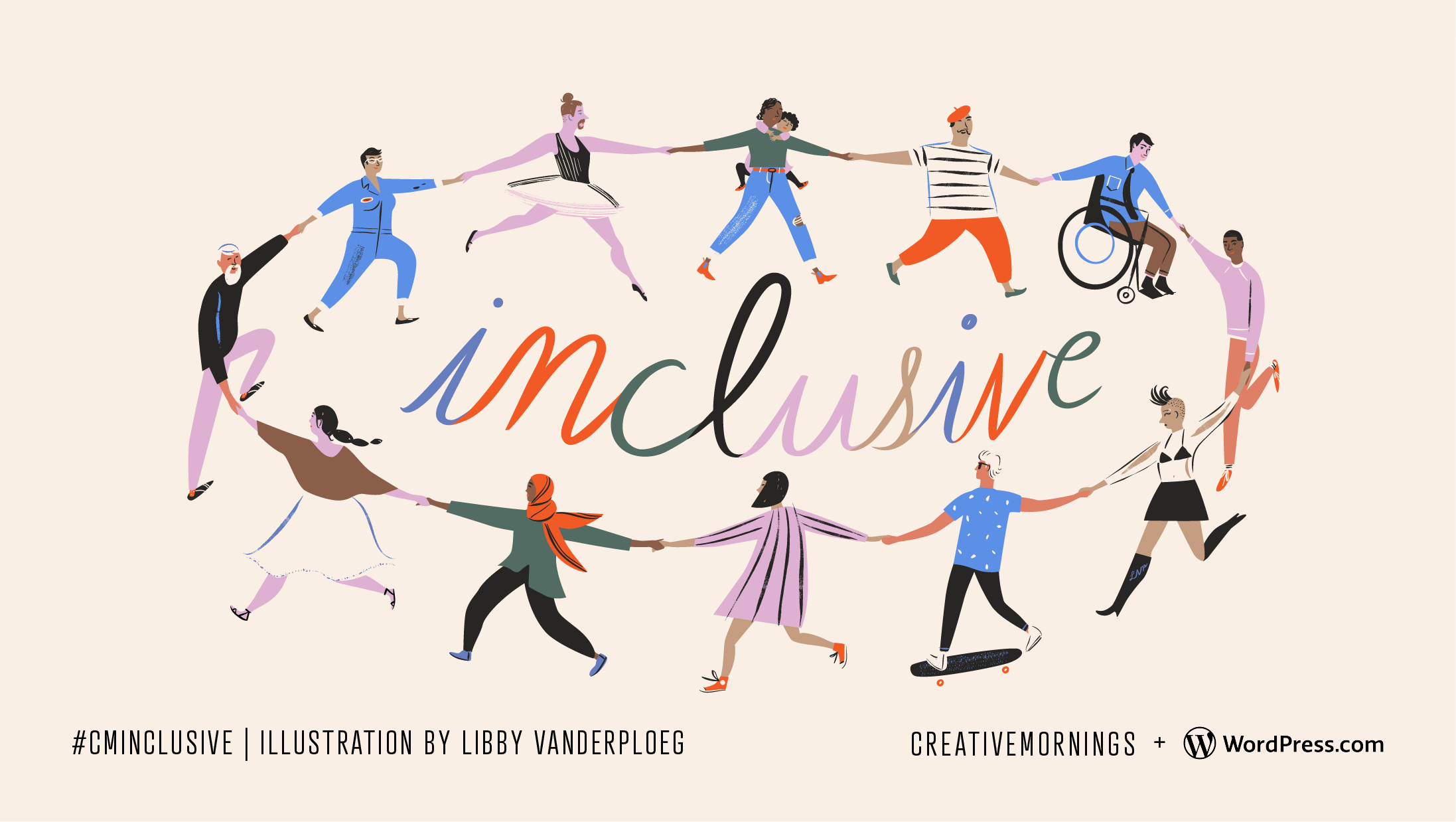
Imagine a world where everyone, regardless of their abilities, can fully immerse themselves in the thrill and joy of gaming. A world where accessibility isn't an afterthought, but a core principle woven into the very fabric of gaming content. That's the world we're striving for.
Too often, gamers with disabilities encounter barriers that prevent them from fully enjoying their favorite pastime. From confusing interfaces and unreadable text to a lack of customizable controls and inaccessible audio cues, the hurdles can seem insurmountable. It's a frustrating experience that leaves many feeling excluded from a community they desperately want to be a part of.
The purpose of creating inclusive gaming content is to break down these barriers and ensure that everyone has the opportunity to experience the magic of gaming. It's about designing games and related media with accessibility in mind, considering the needs of gamers with visual, auditory, cognitive, and motor impairments. It's about fostering a welcoming and inclusive environment where everyone feels valued and empowered to participate.
This discussion explores the importance of inclusive gaming content and accessible gaming media, covering essential elements such as adaptable game settings, subtitles and captions, audio descriptions, and alternative control schemes. By implementing these strategies, we can create a more inclusive and equitable gaming landscape for all. Join us as we unlock the potential of accessible gaming and empower every gamer to play their way.
Understanding Accessibility Needs
My first real encounter with the stark reality of accessibility in gaming came when a close friend, who has limited vision, tried to play a newly released RPG. He was so excited about it, he had pre-ordered the special edition, but his excitement quickly turned to disappointment. The game's user interface was incredibly complex, with tiny text and icons that were nearly impossible for him to see. The lack of customization options meant he couldn't adjust the font size or contrast to make it more readable. He ended up giving up on the game entirely, feeling frustrated and excluded. It was a powerful reminder that accessibility isn't just a nice-to-have; it's a fundamental requirement for many gamers. This experience fueled my desire to advocate for more inclusive game design. Accessibility, in this context, focuses on removing barriers that prevent people with disabilities from fully enjoying video games and related content. This includes visual impairments, hearing loss, motor skill limitations, and cognitive differences. By understanding and addressing these diverse needs, developers can create gaming experiences that are truly inclusive. Key considerations include customizable controls, adjustable font sizes, colorblind modes, subtitle options, and clear audio cues. The goal is to create games that can be adapted to suit individual preferences and requirements, ensuring that everyone has an equal opportunity to play and enjoy.
The Importance of Accessible Game Design
Accessible game design is not just about adding a few features as an afterthought; it's about incorporating accessibility considerations from the very beginning of the development process. It's about understanding that designing for accessibility benefits everyone, not just gamers with disabilities. For example, clear and concise tutorials are helpful for all players, regardless of their experience level. Customizable controls can improve the gameplay experience for players with motor impairments, but they can also be beneficial for players who simply prefer a different control scheme. When accessibility is integrated into the design process, it leads to better games for everyone. This approach involves thinking about how different players might interact with the game and proactively addressing potential barriers. It also involves user testing with gamers with disabilities to gather feedback and ensure that the game is truly accessible. By prioritizing accessibility from the outset, developers can create more inclusive and engaging gaming experiences that appeal to a wider audience. Accessible design is more than just a checklist of features; it is a philosophy of inclusive design that results in better games for everyone. Accessible design is also a legal requirement in some regions, and failing to comply with accessibility standards can result in legal action.
A Brief History of Accessibility in Gaming
The history of accessibility in gaming is a story of slow but steady progress. In the early days of gaming, accessibility was rarely considered. Games were often designed with a specific target audience in mind, and the needs of gamers with disabilities were largely ignored. However, over time, advocacy groups and individual gamers began to raise awareness about the importance of accessibility. In the late 20th century, some games began to include basic accessibility features, such as customizable controls and subtitles. However, these features were often limited and not always well-implemented. It wasn't until the early 21st century that accessibility truly began to gain traction in the gaming industry. The rise of the internet and social media allowed gamers with disabilities to connect with each other and share their experiences. This led to a greater awareness of the barriers that they faced and a growing demand for more accessible games. Today, many game developers are actively working to improve accessibility in their games. There are now numerous resources available to help developers design accessible games, and there is a growing community of gamers with disabilities who are eager to provide feedback and support. While there is still work to be done, the progress that has been made in recent years is encouraging.
Unveiling Hidden Accessibility Secrets
One of the best-kept secrets in accessible gaming is the power of community. Online forums, social media groups, and dedicated accessibility communities provide a space for gamers with disabilities to connect with each other, share tips and advice, and advocate for more accessible games. These communities are a valuable resource for both gamers and developers. Gamers can find support and learn about accessible games, while developers can get feedback and insights from the people who are most affected by their design choices. Another hidden secret is the importance of user testing. Getting feedback from gamers with disabilities early in the development process can help developers identify and address potential accessibility issues before they become major problems. User testing can also help developers understand how different players interact with their game and identify ways to improve the overall gaming experience. Finally, it's important to remember that accessibility is not a one-size-fits-all solution. What works for one gamer may not work for another. That's why it's important to provide a range of accessibility options and allow players to customize their gaming experience to suit their individual needs. By embracing the power of community, user testing, and customization, developers can create truly accessible games that are enjoyable for everyone.
Recommendations for Inclusive Gaming
If you're a game developer looking to make your games more inclusive, there are a few key recommendations to keep in mind. First, prioritize accessibility from the very beginning of the development process. Don't treat accessibility as an afterthought; integrate it into your design from the outset. Second, consult with gamers with disabilities throughout the development process. Get their feedback on your designs and listen to their suggestions for improvement. Third, provide a wide range of accessibility options to allow players to customize their gaming experience to suit their individual needs. Fourth, make sure your game is compatible with assistive technologies, such as screen readers and alternative input devices. Finally, promote your game's accessibility features so that gamers with disabilities know that your game is designed with them in mind. If you're a gamer with a disability, there are a few things you can do to advocate for more accessible games. First, support developers who are committed to accessibility. Buy their games and let them know that you appreciate their efforts. Second, provide feedback to developers on how they can improve their games' accessibility. Let them know what works well and what doesn't. Third, join online communities and advocate for more accessible games. By working together, we can create a more inclusive and equitable gaming landscape for everyone.
Detailed Explanation of Customization Options
Customization options are the bedrock of inclusive gaming. Imagine a racing game where a player with limited hand mobility struggles to use the default steering controls. By offering the option to remap controls, perhaps allowing them to steer with a foot pedal or even voice commands, you transform the experience from frustrating to exhilarating. Similarly, in a text-heavy RPG, adjustable font sizes and color contrast options can make the difference between being able to follow the story and being completely shut out. Beyond basic control remapping and visual adjustments, consider more advanced options like adjustable game speed, customizable difficulty settings, and the ability to disable quick-time events. These features allow players to tailor the game to their individual needs and preferences, ensuring that everyone can find a way to enjoy the experience. Furthermore, providing detailed descriptions of in-game actions and events can be invaluable for players with visual impairments. These descriptions can be delivered through text-to-speech technology or audio cues, allowing players to understand what's happening on screen even if they can't see it clearly. By offering a comprehensive suite of customization options, you empower players to take control of their gaming experience and overcome potential barriers.
Tips for Creating Accessible Gaming Content
Creating accessible gaming content doesn't have to be a daunting task. Start with the basics: include subtitles and captions for all dialogue and important audio cues. Make sure the text is clear and readable, with adjustable font sizes and color contrast. Provide alternative control schemes and allow players to remap controls to suit their individual needs. Use clear and concise language in your tutorials and in-game instructions. Avoid relying on color alone to convey information, as this can be problematic for colorblind players. Test your game with gamers with disabilities to get feedback and identify potential accessibility issues. Consider adding features like audio descriptions and haptic feedback to enhance the gaming experience for players with visual or auditory impairments. Remember, accessibility is an ongoing process, not a one-time fix. Continue to gather feedback and iterate on your designs to create the most inclusive gaming experience possible. Document your accessibility features so players know what to expect. Promote your commitment to accessibility so gamers know you value their experience. By following these tips, you can create gaming content that is accessible and enjoyable for everyone.
Further Exploration of Audio Descriptions
Audio descriptions are narrations that describe what is happening on-screen during gameplay. They provide context and information that is not conveyed through dialogue or sound effects, making the game more accessible for players with visual impairments. Imagine a cinematic cutscene in an action game. Without audio descriptions, a player with limited vision might miss crucial details about the characters' actions, facial expressions, and the overall environment. Audio descriptions fill in these gaps, painting a picture of what's happening on screen and allowing the player to fully immerse themselves in the story. Implementing audio descriptions requires careful planning and execution. The descriptions should be clear, concise, and informative, without being overly intrusive or distracting. They should also be synchronized with the on-screen action to provide a seamless and engaging experience. Consider using a professional narrator to record the audio descriptions, or provide the option for players to use text-to-speech technology to generate the descriptions themselves. By incorporating audio descriptions into your game, you can significantly enhance the gaming experience for players with visual impairments and create a more inclusive and accessible environment for everyone.
Fun Facts About Inclusive Gaming
Did you know that the Xbox Adaptive Controller was designed in collaboration with gamers with disabilities? This innovative controller is a testament to the power of collaboration and user-centered design. Another fun fact: many accessibility features, such as subtitles and customizable controls, were originally developed for gamers with disabilities but have since become standard features in many games, benefiting all players. The first video game to feature a blind character as the protagonist was "A Blind Legend", an action-adventure game where players navigate the world using only audio cues. The gaming industry is slowly becoming more diverse and inclusive, with more developers and publishers actively promoting accessibility and representation in their games. There are numerous organizations dedicated to promoting accessibility in gaming, such as Able Gamers and the IGDA Game Accessibility Special Interest Group. These organizations provide resources, support, and advocacy for gamers with disabilities. Inclusive gaming is not just about accessibility; it's also about representation. Featuring diverse characters and stories in games can help to create a more inclusive and welcoming environment for all players. The Special Effect charity uses technology to help people with disabilities enjoy video games. By using eye-control, modified controllers and accessible gaming setups, they bring fun and inclusion into the lives of people with physical disabilities.
How to Advocate for More Inclusive Gaming
If you're passionate about inclusive gaming, there are many ways to advocate for change. Start by supporting developers who are committed to accessibility. Buy their games, leave positive reviews, and let them know that you appreciate their efforts. Provide constructive feedback to developers on how they can improve their games' accessibility. Participate in user testing and share your experiences with the gaming community. Use social media to raise awareness about the importance of inclusive gaming. Share articles, videos, and personal stories that highlight the challenges and triumphs of gamers with disabilities. Contact game developers and publishers directly to express your concerns and suggestions. Join online communities and advocacy groups that are dedicated to promoting accessibility in gaming. Attend gaming conferences and events and advocate for inclusive practices. Educate yourself about the different types of disabilities and the barriers that gamers with disabilities face. Be an ally to gamers with disabilities and support their efforts to create a more inclusive gaming environment. Remember, every voice matters. By working together, we can create a gaming industry that is accessible and welcoming to everyone.
What if All Games Were Accessible?
Imagine a world where every game, regardless of genre or platform, was designed with accessibility in mind. In this world, gamers with disabilities would have the same opportunities to experience the joy and excitement of gaming as everyone else. They would be able to fully immerse themselves in the stories, compete with their friends, and explore new worlds without facing unnecessary barriers. This would lead to a more diverse and inclusive gaming community, where everyone feels valued and empowered to participate. It would also foster innovation and creativity in game design, as developers would be challenged to find new and innovative ways to make their games accessible to a wider audience. Games could be tailored to the players individual needs and preferences. Game developers would need to design games with accessibility in mind from the get-go. Assistive technology would continue to evolve and support more and more game titles. In the end, this kind of world would ultimately lead to a more equitable and enjoyable gaming experience for all.
Listicle of Essential Accessibility Features
1. Customizable Controls: Allow players to remap buttons, adjust sensitivity, and use alternative input devices.
2. Adjustable Font Sizes and Contrast: Ensure that text is clear and readable for players with visual impairments.
3. Subtitles and Captions: Provide accurate and synchronized subtitles for all dialogue and important audio cues.
4. Audio Descriptions: Offer narrations that describe what is happening on-screen during gameplay.
5. Colorblind Modes: Provide options for players with different types of colorblindness.
6. Clear and Concise Tutorials: Use simple language and visual aids to explain game mechanics and controls.
7. Adjustable Game Speed: Allow players to slow down the game to make it easier to react to challenges.
8. Customizable Difficulty Settings: Provide a range of difficulty options to accommodate players of different skill levels.
9. Support for Assistive Technologies: Ensure that the game is compatible with screen readers and other assistive devices.
10. Haptic Feedback: Use vibrations to provide additional sensory information to players.
Question and Answer about Inclusive Gaming Content
Q: Why is inclusive gaming important?
A: Inclusive gaming ensures that everyone, regardless of their abilities, can enjoy the benefits of gaming. It promotes accessibility, reduces social isolation, and fosters a more diverse and welcoming gaming community.
Q: What are some common accessibility barriers in gaming?
A: Common barriers include small text, complex interfaces, lack of customizable controls, inaccessible audio cues, and reliance on color alone to convey information.
Q: How can game developers make their games more accessible?
A: Developers can incorporate features such as customizable controls, adjustable font sizes, subtitles and captions, audio descriptions, and colorblind modes. They should also consult with gamers with disabilities throughout the development process.
Q: What can gamers do to advocate for more inclusive gaming?
A: Gamers can support developers who are committed to accessibility, provide feedback on games, join online communities, and raise awareness about the importance of inclusive gaming.
Conclusion of Inclusive Gaming Content
Creating inclusive gaming content is not just a matter of adding a few accessibility features; it's about embracing a philosophy of inclusive design that prioritizes the needs of all players. By understanding the barriers that gamers with disabilities face and by implementing strategies to overcome those barriers, we can create a more equitable and enjoyable gaming experience for everyone. The journey towards inclusive gaming is an ongoing process, but it's a journey that is well worth taking. Let's continue to work together to create a gaming world where everyone can play, connect, and thrive.
Post a Comment